Modular vs. Monolithic DC Charger Design: Which Architecture Lowers Total Cost of Ownership?
Home / Blog / Guidelines / Modular vs. Monolithic DC Charger Design: Which Architecture Lowers Total Cost of Ownership?
16 Jul, 2026
DC fast charger architecture
EV charger total cost of ownership
power module DC charger design
Modular DC charger architecture lowers total cost of ownership in the vast majority of commercial and fleet deployments, even though it costs more upfront per kilowatt. The reason is simple: when a power module fails in a modular unit, the station keeps charging at reduced capacity while a technician swaps a $1,500 part in half an hour. When a monolithic unit’s power stage fails, the whole station goes dark until someone diagnoses a custom board — and that can take days.
What Actually Differs Between the Two Architectures
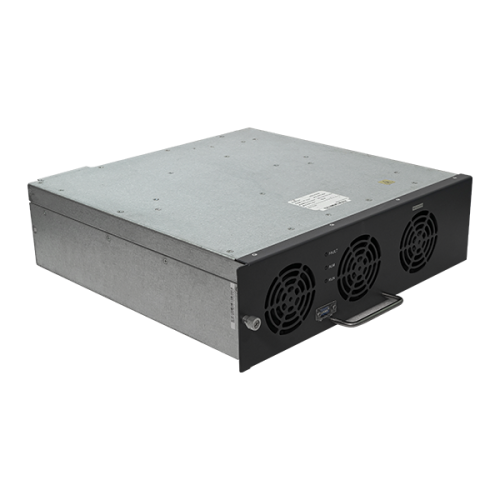
A monolithic DC charger builds its entire power conversion stage — rectifier, power factor correction, DC-DC conversion — as one integrated assembly, usually on custom PCBs sized for the unit’s rated output. A 120 kW monolithic charger has one power path doing all 120 kW of work.
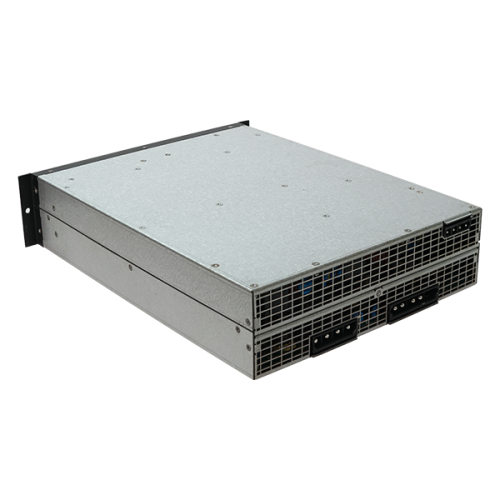
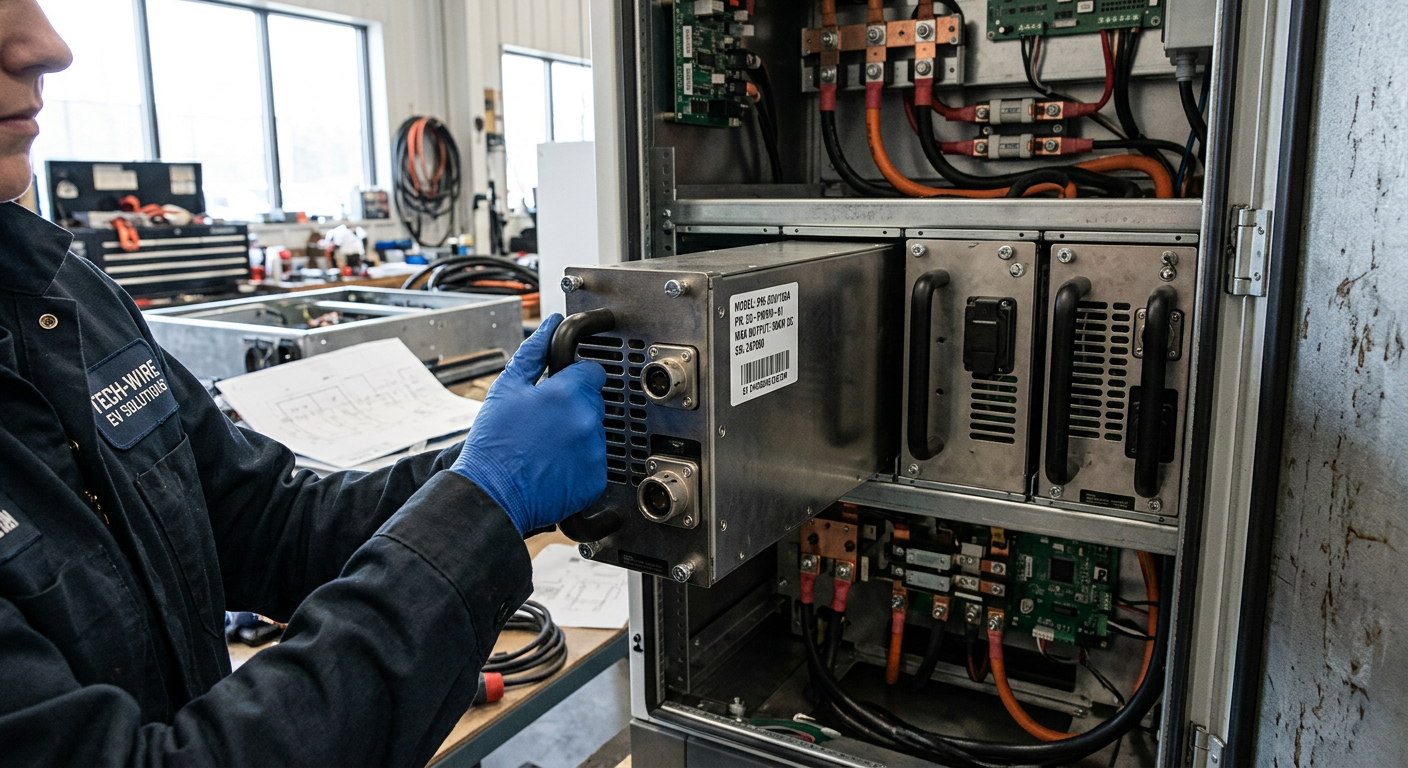
A modular charger splits that same 120 kW across, say, eight 15 kW power modules that operate in parallel and share the load. Lose one module and you’re down to 105 kW, not zero. This is the same design logic used in enterprise data center UPS systems for decades — it just arrived in EV charging later than it should have.
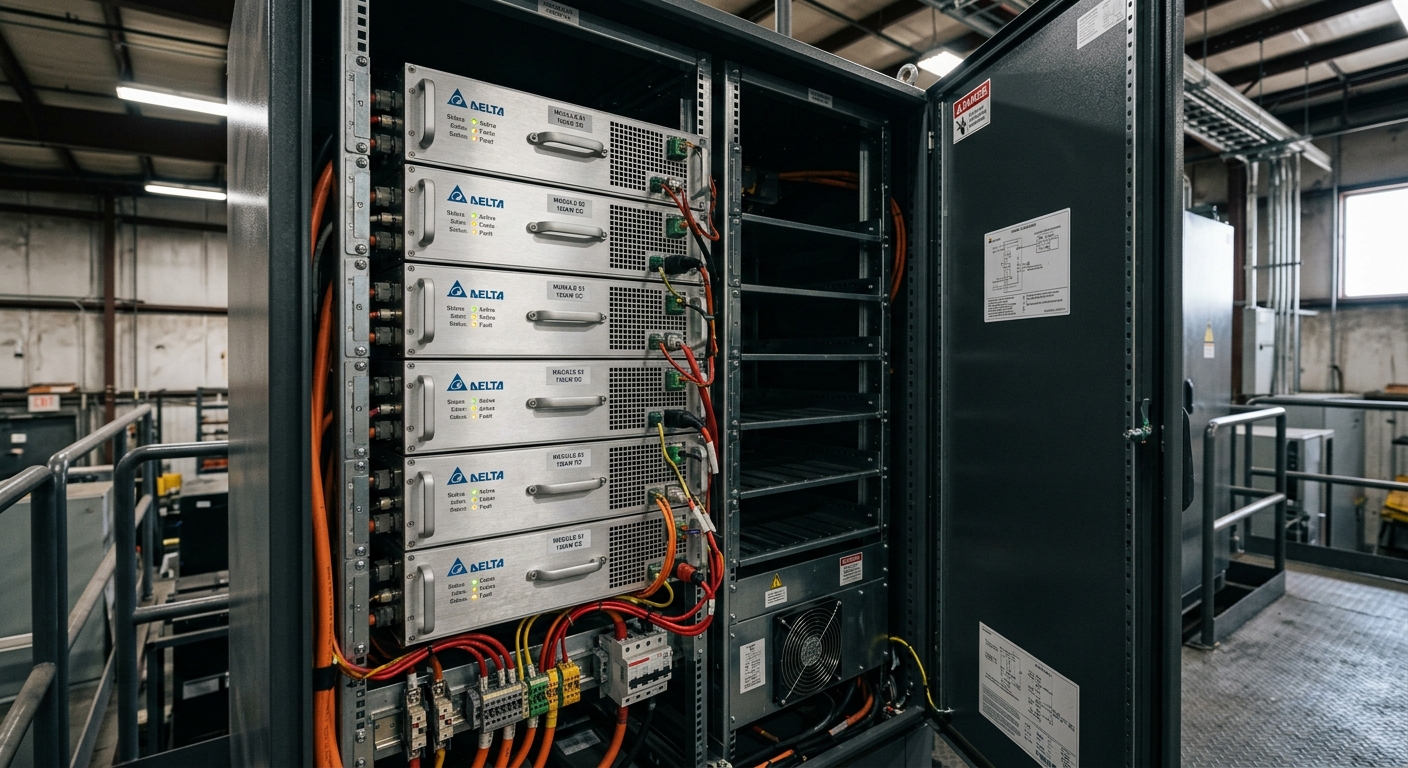
Stacked power modules inside a modular DC EV charger cabinet
The Uptime Math Distributors Rarely Run
Here’s a number that changes the conversation: a public DC fast charger site earning $0.45/kWh at 80 kW average session power generates roughly $36/hour of active charging revenue. If a monolithic 150 kW unit goes fully offline for three days waiting on a replacement board, that’s potentially $800-$1,500 in lost revenue plus the reputational cost of a dead station on your app’s map.
A modular unit experiencing the same fault might drop from 150 kW to 120 kW for the 30 minutes it takes to swap the failed module. Sessions run slower, but nobody gets stranded, and the site never shows as “offline.”
Where this compounds
For fleet operators running overnight depot charging for 50+ vehicles, an offline charger doesn’t just lose revenue — it can delay morning dispatch. That’s a cost that doesn’t show up on a hardware invoice but shows up fast in operations meetings.
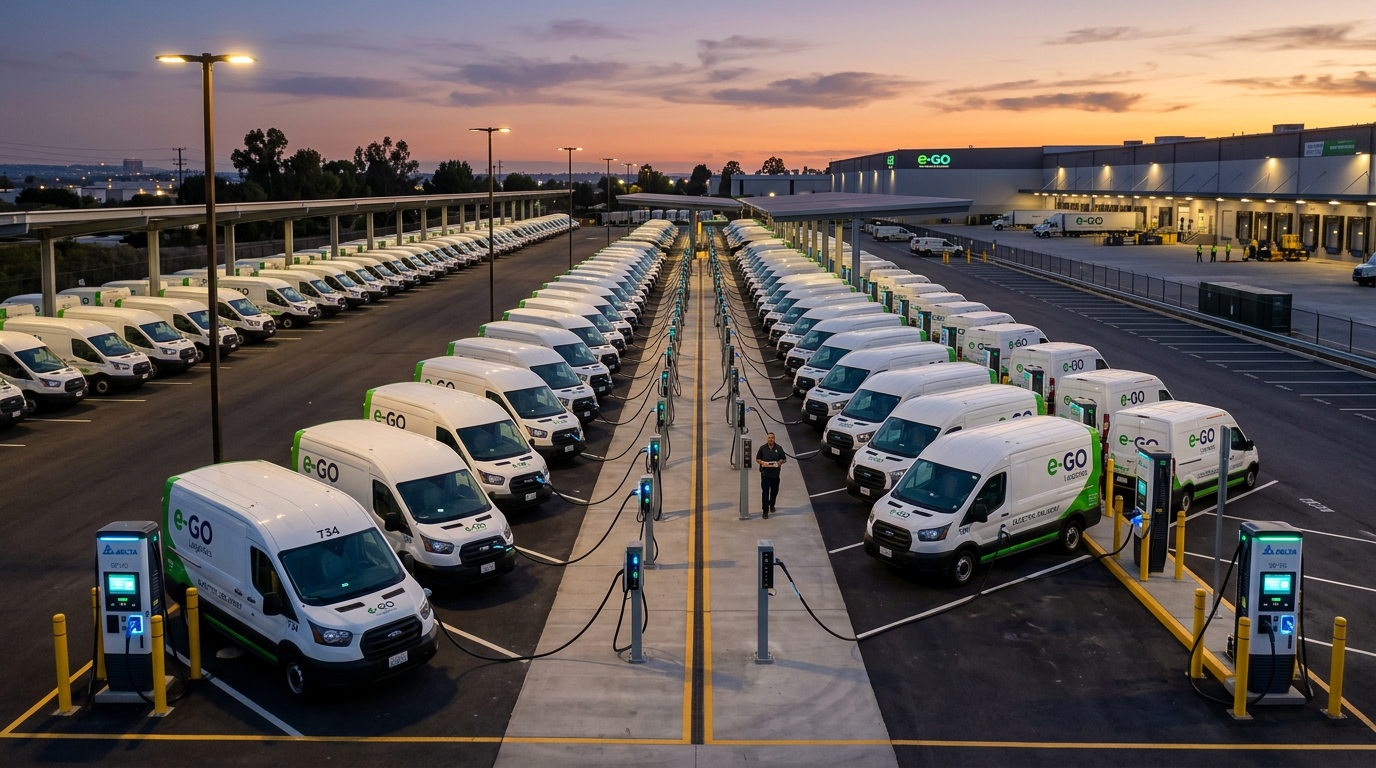
Fleet of electric delivery vans charging overnight at a depot
Repair Cost and Spare Parts: The Number Nobody Puts in the Proposal
Ask your supplier what a full power stage replacement costs on a monolithic unit versus a single module on a modular one. The gap is usually larger than people expect. A failed monolithic power board can run $6,000-$10,000 including labor and shipping, and often requires the manufacturer’s own technician because the board isn’t a standardized field-serviceable part.
A single power module for a modular charger typically runs $800-$2,500 depending on kW rating, and most distributors stock a few as standard spares because they’re common across multiple unit sizes from the same manufacturer. That interchangeability is a TCO advantage in itself — one spare parts inventory covers your whole fleet of chargers instead of a different board for every model.
Architecture
Typical Repair Cost
Typical Downtime
Modular
$800 – $2,500
15 – 30 minutes
Monolithic
$6,000 – $10,000
Hours to several days
If you’ve already learned the hard way what happens after the first warranty claim on underbuilt hardware, you know how fast these numbers add up — see the hidden cost of cheap EV chargers for a similar cautionary breakdown.
Technician replacing a power module in a DC fast charger
Efficiency Under Partial Load — Where Monolithic Units Quietly Lose
Most sites don’t run at full rated power most of the time. A 150 kW charger serving a mixed fleet of vans and sedans might average 40-60% load across a typical day. This is exactly where architecture matters most, because efficiency curves at partial load behave very differently between the two designs.
Monolithic power stages are usually optimized for peak efficiency near their rated output and lose several points of efficiency below 40% load. Modular systems can dynamically bring only the number of modules needed online for the current session, keeping each active module closer to its own optimal load point. Over a year of operation, that difference in conversion efficiency translates directly into lower electricity draw for the same kWh delivered to vehicles — a real operating cost line item, not a theoretical one.
Scalability: Growing Capacity Without Buying a New Charger
Say a logistics company installs a 90 kW modular station to serve six vehicles, then wins a contract that doubles their fleet in eighteen months. With a modular unit built with spare bays, adding modules to reach 150 kW might be a same-day upgrade — no new conduit, no new concrete pad, no new permit in many jurisdictions.
Try that with a monolithic charger and the answer is usually: buy a second unit. That means a second site survey, potentially a second transformer tap, and double the footprint. For contractors managing load balancing and dynamic power sharing across a site, modular units also make it easier to redistribute available power dynamically as vehicle count grows, rather than being locked to a fixed per-unit ceiling.
A real scenario
A regional beverage distributor we’ve seen expand this way started with two 60 kW modular dispensers for a small delivery van pilot. When the pilot succeeded and the fleet grew to fifteen vehicles, they added modules and a third dispenser cabinet rather than ripping out and replacing the original infrastructure — cutting their expansion capex by roughly a third compared to a full re-buy.
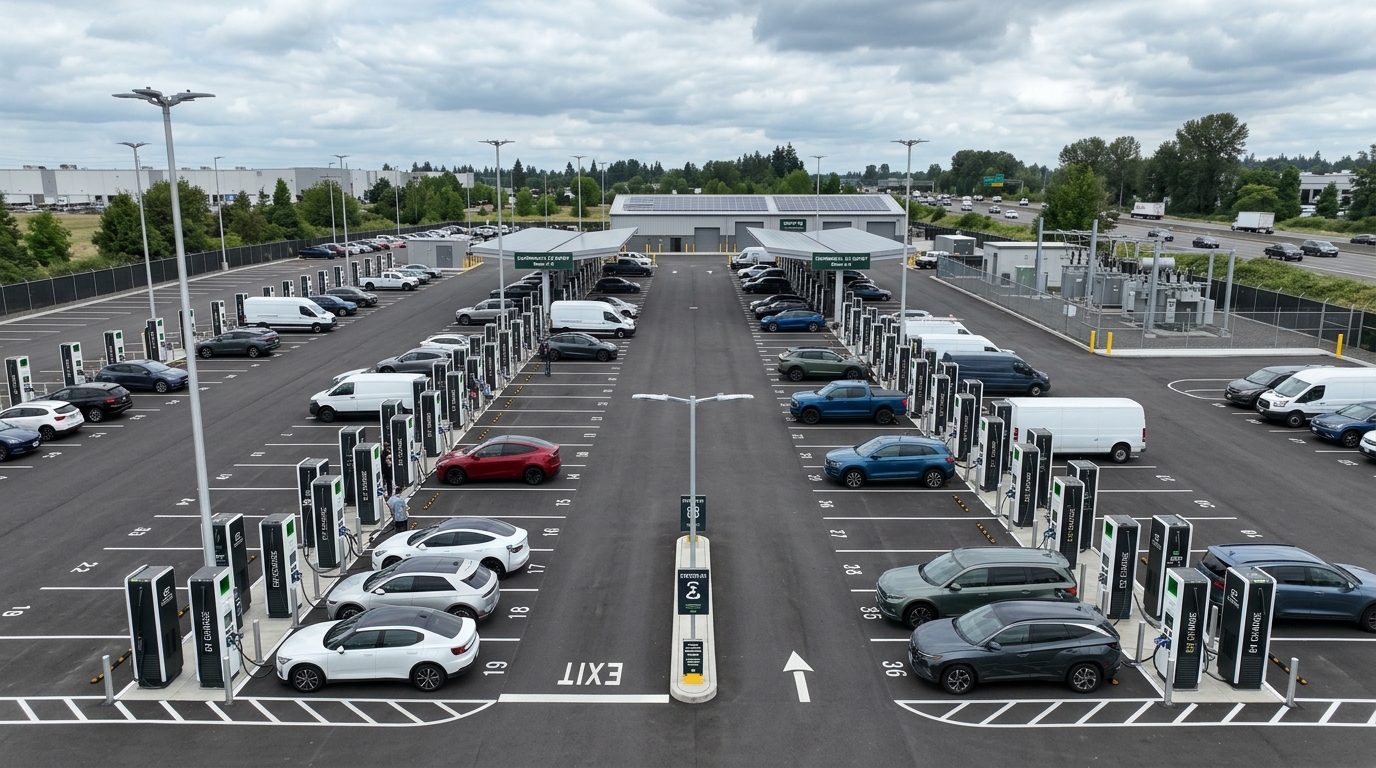
Commercial EV charging depot with multiple DC dispenser cabinets
When Monolithic Still Makes Sense
Modular isn’t automatically the right call everywhere, and saying so would be dishonest. For low-traffic sites — a single dealership charger, a small retail lot with a handful of daily sessions — the redundancy modular design buys you may never get exercised often enough to justify the premium. If a charger sits idle 90% of the day, an occasional multi-day repair is annoying but not commercially painful.
Monolithic units are also simpler electrically, with fewer connectors and interconnects, which some engineering teams prefer for exactly that reason — fewer components generally means fewer failure points in aggregate, even if any single failure is more disruptive. For lower-volume commercial charging stations without redundancy requirements in the spec, monolithic can still be the pragmatic budget choice.
What to Ask Your Manufacturer Before You Commit
Architecture choice is only half the TCO equation — implementation quality is the other half. Before signing off on either design, get specific answers on these points:
Are power modules hot-swappable, or does the whole unit need to power down for a swap?
What’s the module failure rate reported across the manufacturer’s installed base, not just the lab-tested MTBF?
Can modules from this model be shared across other unit sizes in the same product line?
What’s the actual lead time on replacement modules to your region — not the factory’s stated lead time?
These are the same due-diligence questions worth including in any EV charger RFP procurement checklist, and they matter just as much for OEM/ODM sourcing decisions as they do for finished-product purchases — see our OEM vs. ODM guide for distributors for how to vet a manufacturing partner on exactly these criteria.
Subscribe the newsletter to get updated to news and promotions
Cookies give you a personalized experience,Сookie files help us to enhance your experience using our website, simplify navigation, keep our website safe and assist in our marketing efforts. By clicking "Accept", you agree to the storing of cookies on your device for these purposes. Click "Adjust" to adjust your cookie preferences.For more information, review our Cookie Policy