Underground Parking Garage Charging: Ventilation and Thermal Constraints You Can’t Ignore
Home / Blog / Technical Authority / Underground Parking Garage Charging: Ventilation and Thermal Constraints You Can’t Ignore
20 Aug, 2026
basement EV charger ventilation
enclosed space DC charger installation
parking garage charging station design
thermal derating EV charger
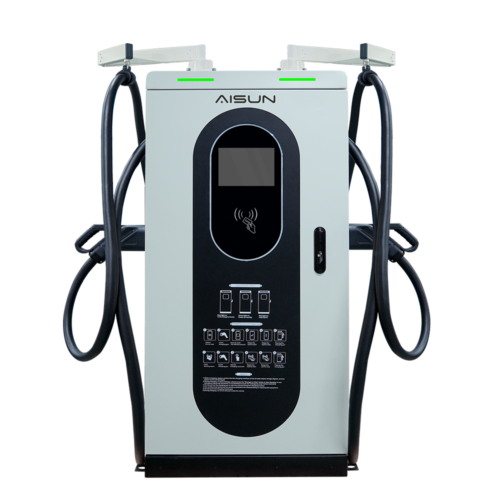
Underground parking garages create a thermal trap: stagnant air, no solar-driven convection to rely on, and mechanical ventilation systems that were designed for vehicle exhaust — not for dissipating heat from a 120 kW DC charger running at full tilt for hours. If you spec a charger the same way you would for a surface lot and drop it into a basement level, you’re going to see nuisance derating, premature component wear, or worse, a fire code violation that stalls your project before it opens. The fix isn’t a bigger charger. It’s matching enclosure design, placement, and ventilation capacity to the specific thermal profile of an enclosed structure.
Why Basements Break the Thermal Assumptions Built Into Most Chargers
Most DC fast chargers are engineered around an outdoor thermal model: ambient air moves, heat rises, and enclosure fans have somewhere to push warm exhaust. Take that same unit underground and the assumptions collapse. There’s no wind. There’s no sky-facing radiative cooling. The air a charger exhausts is often the same air it pulls back in ten minutes later, just a few degrees warmer.
This matters most for high-power DC units. A 180 kW charger might run comfortably in a rooftop parking structure with open sides, then throttle to 60% output in a fully enclosed basement level simply because its internal fans can’t move enough fresh air past the power modules. Engineering teams sometimes discover this only after commissioning — when a fleet operator complains that charging sessions that should take 30 minutes are taking 50.
The stack effect works against you, not for you
Surface-level installations benefit from convective airflow that underground levels can’t generate on their own. Below grade, you’re entirely dependent on mechanical ventilation — and that system was almost certainly sized for CO exhaust dilution, not electronics cooling.
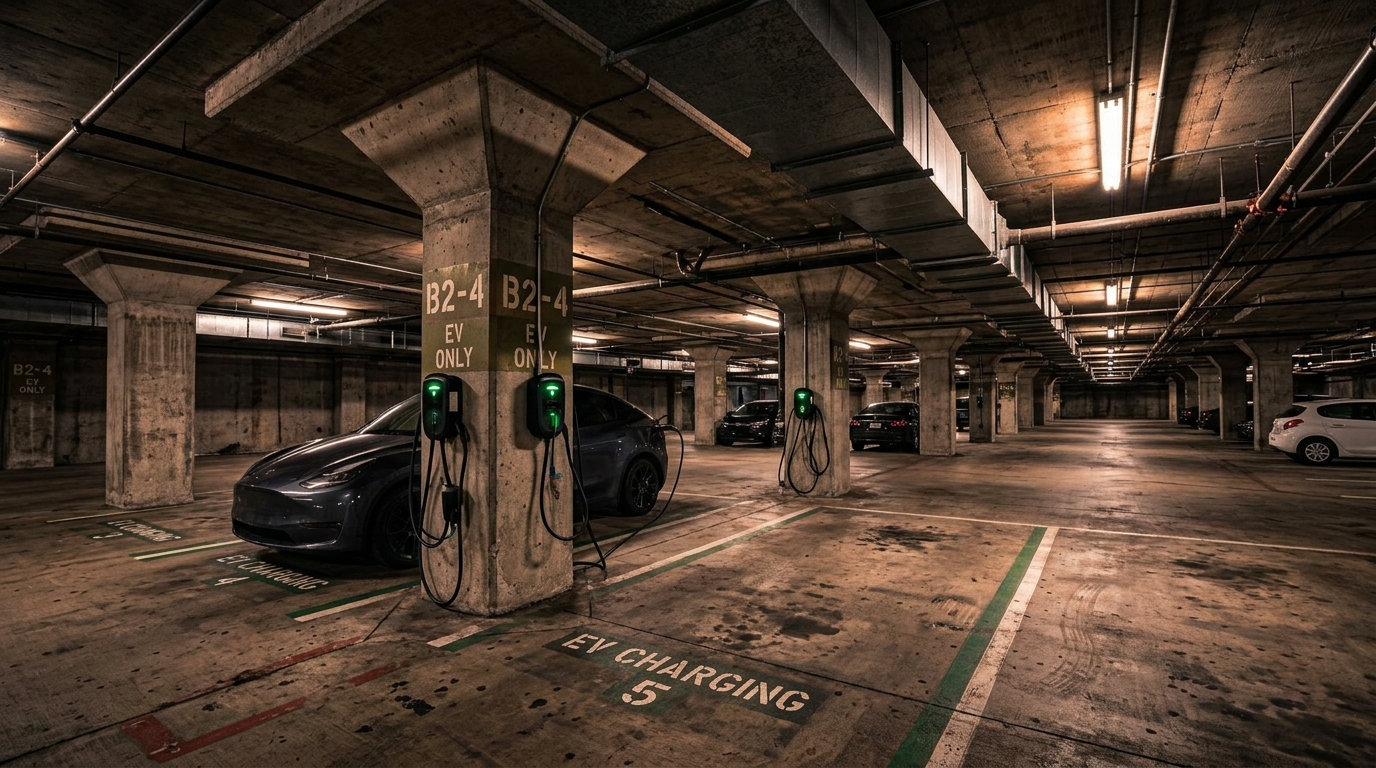
Underground parking garage level with EV chargers near ventilation ductwork
Ventilation Code Requirements You Can’t Design Around
Fire and building codes in most jurisdictions already regulate mechanical ventilation in enclosed parking structures — typically requiring a minimum air change rate (often 4-6 air changes per hour under NFPA 88A or local equivalents) for vehicle exhaust dilution. What many contractors miss is that adding EV chargers, especially DC fast chargers, can trigger a re-evaluation of that ventilation design, particularly if the garage previously had no active charging infrastructure.
Some jurisdictions now classify concentrated DC fast charging zones in enclosed garages as requiring supplemental smoke/heat detection and, in a few cases, dedicated exhaust zoning separate from the general garage system. This isn’t universal, but it’s increasingly common in dense urban markets like Singapore, Hong Kong, and parts of the EU where underground charging deployment has outpaced older fire codes.
Talk to the fire marshal before the electrical engineer
Sequencing matters. Contractors who lock in charger placement and power distribution before confirming ventilation code triggers often end up re-routing conduit or relocating units after the fact — an expensive redo that a five-minute conversation with local authorities could have avoided.
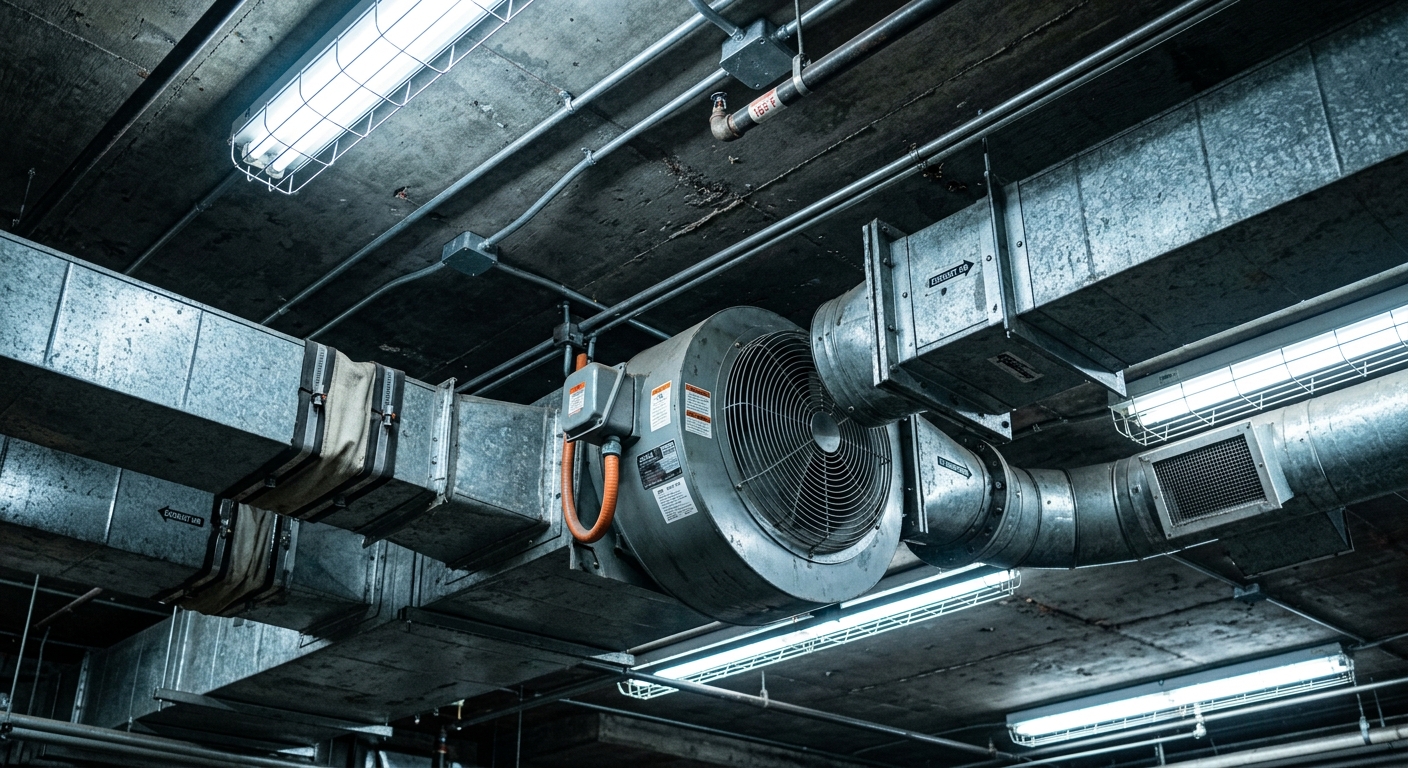
Industrial ventilation ductwork and exhaust fans in a parking garage ceiling
Where You Place the Charger Matters More Than the Spec Sheet
Placement decisions in an underground garage carry more weight than they do outdoors, because you can’t rely on ambient air movement to compensate for a poor location. Chargers pushed into dead-air corners — behind structural columns, in low-ceiling bays, or near ramp entrances with minimal airflow — will run hotter than identical units placed near active exhaust vents or garage entrance ramps where some natural air exchange occurs.
For example, a logistics company retrofitting a basement-level fleet depot found that chargers installed near the ramp entrance ran 8-10°C cooler under identical load than units placed 40 meters deeper into the garage, near the back wall. The fix wasn’t a different charger — it was re-routing power runs to relocate two units closer to the ventilation intake zone.
Group chargers near existing airflow infrastructure
If your garage already has mechanical exhaust points or fresh-air intakes, cluster your charging bays near them rather than spreading units evenly across the floor plan. It’s a simple change that costs nothing in equipment but meaningfully reduces derating risk. This kind of site-specific tuning matters just as much for depot-style deployments — see our guide on designing overnight charging setups for 50+ vehicles for how airflow zoning applies at scale.
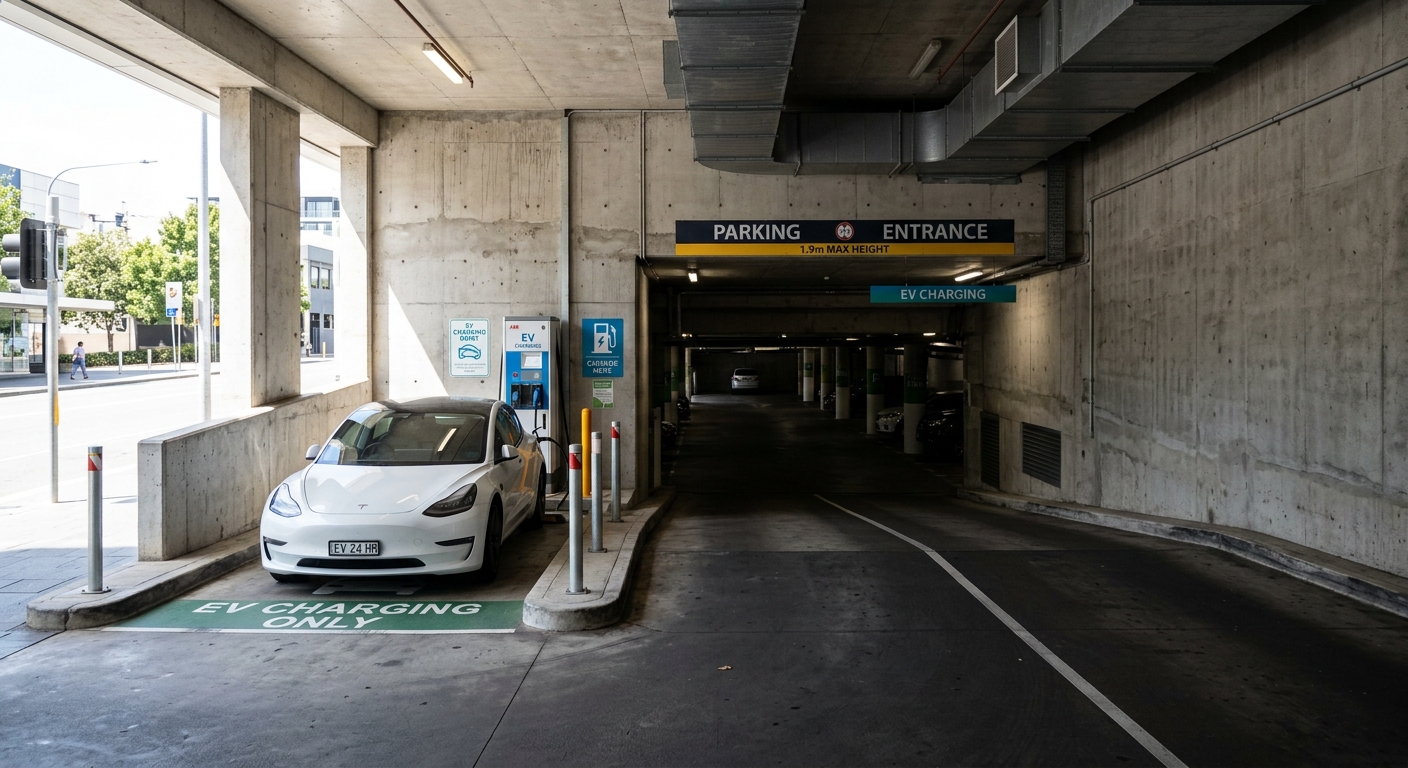
EV charging bay positioned near a garage ramp entrance with natural airflow
Outdoor chargers lean heavily on high IP ratings to keep water and dust out, and that’s the right call for exposed installations. But IP rating alone doesn’t predict lifespan — and in an underground context, an overly sealed enclosure can actually work against you by trapping internally generated heat with nowhere to vent.
Indoor-rated and semi-enclosed charger models, designed with directed intake/exhaust airflow rather than fully gasketed housings, often perform better in basements precisely because they’re built to move air through the unit rather than seal it out entirely. The engineering trade-off shifts: underground, dust and moisture ingress are less of a concern than in coastal or high-humidity outdoor sites, so the enclosure design priority should shift toward thermal management instead.
Ask your manufacturer for the derating curve, not just the IP number
A charger rated IP54 tells you nothing about how it behaves at 35°C ambient with restricted airflow. Ask for the actual power output curve at sustained ambient temperatures typical of your garage — most reputable manufacturers, including OEM/ODM suppliers, can provide this data on request.
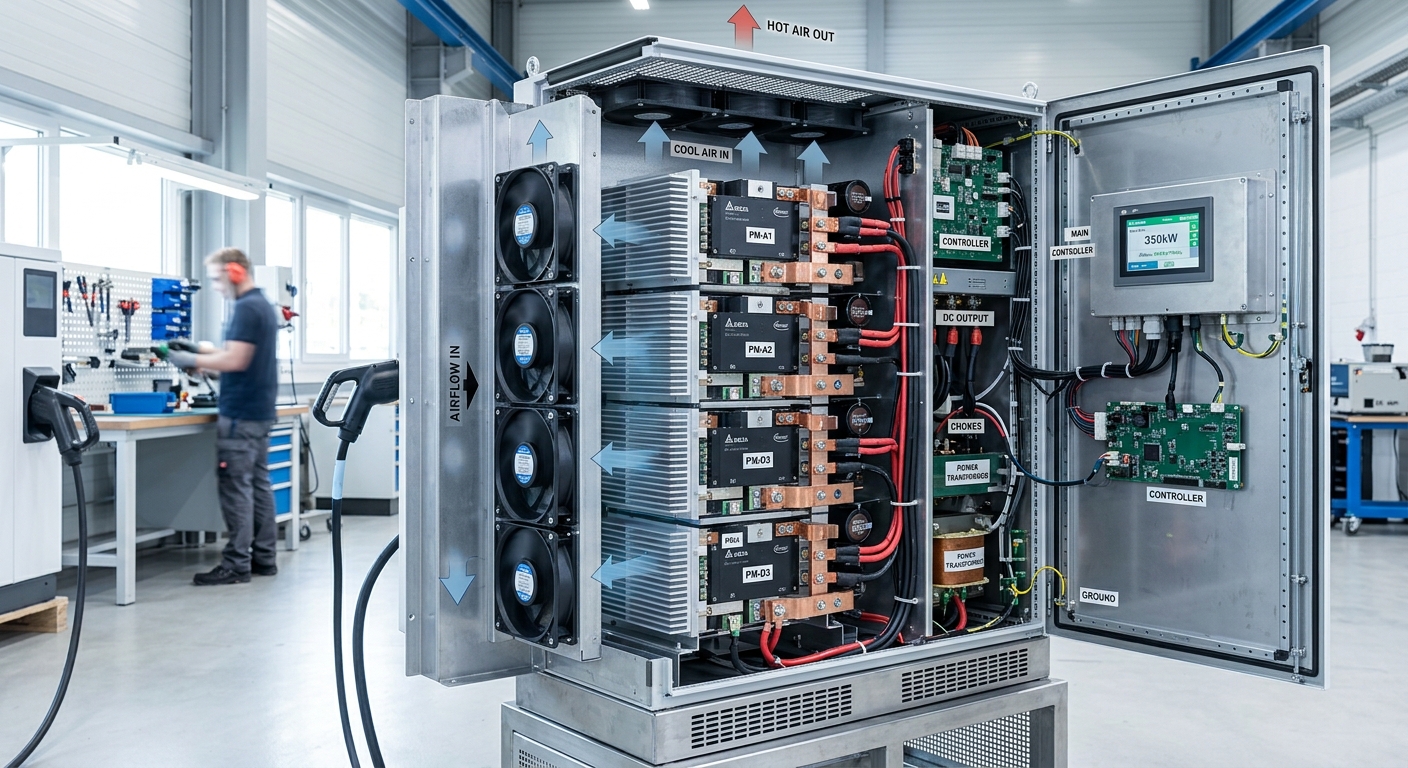
Open DC fast charger cabinet showing internal cooling fans and power modules
Liquid-Cooled Cables Solve a Different Problem Than Ventilation Does
It’s worth separating two issues that often get conflated: cabinet-level thermal management and cable/connector cooling. Even in a well-ventilated garage, high-current DC charging cables generate significant heat at the connector, and that’s an independent engineering problem from ambient air quality.
For underground DC fast charging above 150 kW, liquid-cooled cables are increasingly the default rather than the exception, because thinner, lighter cables carrying the same current stay manageable for drivers in tight garage parking bays — and they don’t add heat load to an already-constrained space the way bulkier air-cooled cables can. We cover this trade-off in detail in our guide to liquid-cooled vs. air-cooled DC charging cables, but the short version for underground sites: go liquid-cooled above 150A continuous current if the garage layout doesn’t allow generous cable slack and airflow around the connector.
Summer Derating Doesn’t Disappear Just Because You’re Below Grade
There’s a common misconception that underground garages are thermally stable year-round because they’re shielded from direct sun. They’re more stable than surface lots, yes — but not immune to seasonal derating, especially in garages with limited mechanical ventilation or older HVAC systems not sized for modern EV charging loads.
The mechanism is different from what happens with outdoor chargers derating in summer heat, where direct solar loading on the enclosure is the main driver. Underground, it’s cumulative heat buildup from multiple simultaneous charging sessions with no effective heat removal path. A garage with six DC chargers running at 80% utilization on a hot August afternoon can see ambient temperatures climb 5-7°C above baseline over a few hours, simply because the ventilation system can’t exhaust heat as fast as the chargers generate it.
Model peak simultaneous load, not average load
Ventilation sizing should be based on worst-case simultaneous charging scenarios, not average daily utilization. This is a mistake we see repeatedly in retrofit projects where the garage’s mechanical systems were designed before any EV charging was planned.
Retrofitting an Existing Garage vs. Designing One From Scratch
New-build garages have a real advantage: ventilation, electrical distribution, and charger placement can be co-designed from day one. Retrofits are messier, because you’re working within a ventilation system and structural layout that was never built with EV charging in mind.
For retrofit projects, a phased approach works better than trying to solve everything at once. Start with a small cluster of chargers near existing ventilation infrastructure, monitor actual thermal performance for a season, then expand. This is far cheaper than over-engineering a garage-wide ventilation upgrade before you have real utilization data. It also mirrors the incremental approach we recommend for load balancing and dynamic power sharing — get the pilot phase right before scaling the electrical and mechanical infrastructure.
Subscribe the newsletter to get updated to news and promotions
Cookies give you a personalized experience,Сookie files help us to enhance your experience using our website, simplify navigation, keep our website safe and assist in our marketing efforts. By clicking "Accept", you agree to the storing of cookies on your device for these purposes. Click "Adjust" to adjust your cookie preferences.For more information, review our Cookie Policy