Charging design for container terminals isn’t one system — it’s at least two entirely different problems layered on top of each other. Shore power (cold ironing) delivers megawatts to docked vessels through frequency-converting substations, while terminal equipment charging — RTGs, yard trucks, AGVs, and increasingly electric drayage trucks — needs a distributed DC fast-charging network built to survive salt air and run nonstop. Get the architecture wrong on either side and you’re either oversizing a substation by millions of dollars or watching yard equipment queue for chargers during peak vessel turnaround.
Why Ports Are the Hardest Electrification Problem You’ll Design For
Most charging infrastructure projects deal with one load type. A fleet depot charges trucks. A warehouse charges forklifts. A port does both — plus vessels, plus cranes, plus a grid connection that was probably sized decades ago for diesel-era operations.
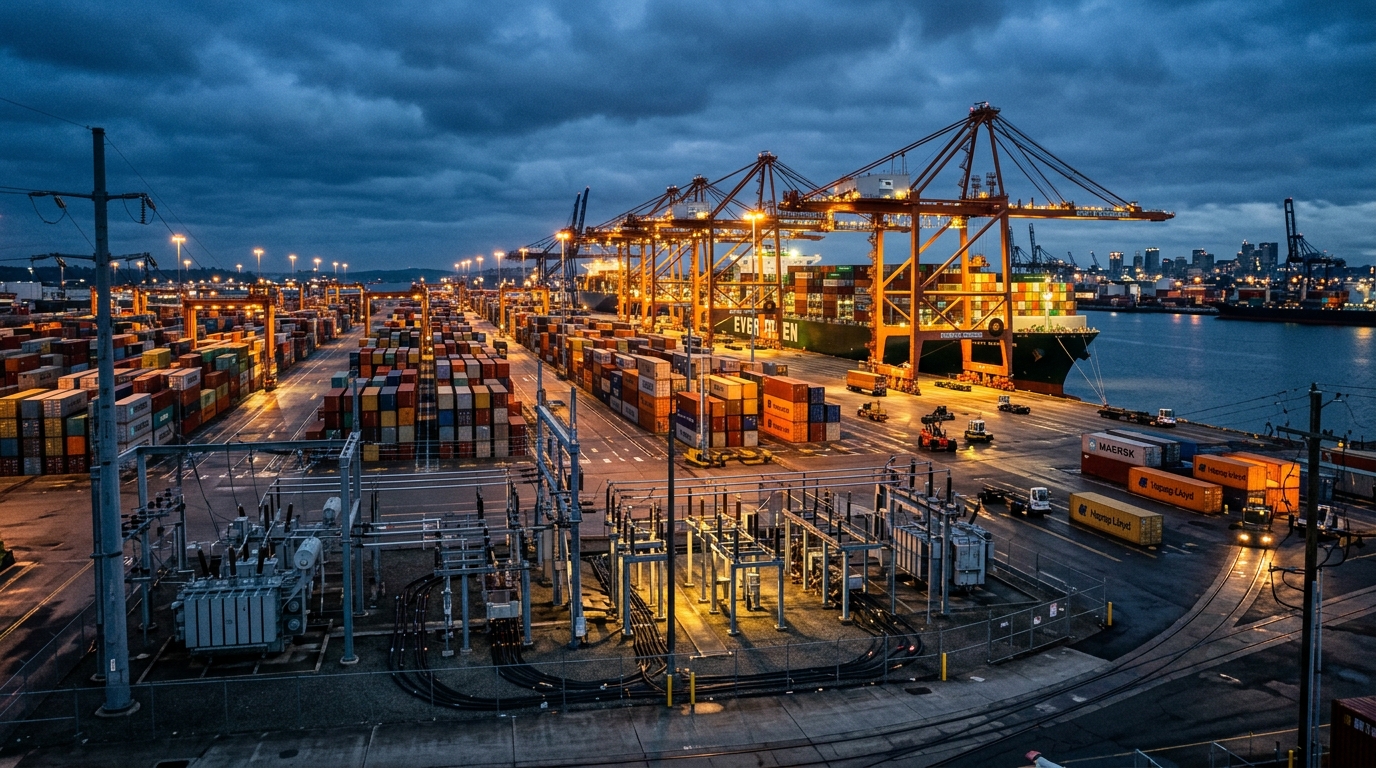
A mid-size container terminal might need 8-12 MW of new capacity to electrify cold ironing for two berths, another 2-4 MW for a fleet of electric RTGs and yard trucks, and a separate load for e-truck charging at the gate. That’s not a charger spec problem — it’s a utility interconnection and substation planning problem first, charging hardware second. Terminals that skip this step end up retrofitting transformers twice, which is far more expensive than sizing correctly the first time.
If you’ve dealt with load balancing and dynamic power sharing on a fleet depot project, multiply that complexity by ten and add a marine frequency conversion requirement.
Container terminal substation infrastructure for port electrification planning
Cold Ironing: The Megawatt-Scale Half of the Equation
Cold ironing — supplying shore-side electrical power to a docked vessel so it can shut down its diesel auxiliary engines — typically requires 1-16 MW depending on ship class, delivered at 6.6kV or 11kV. The catch is frequency: most ships run on 60Hz systems while many port grids run 50Hz, or vice versa depending on the flag and region. That mismatch means every shore power installation needs frequency conversion equipment, not just a transformer.
The Cable Management Problem Nobody Talks About
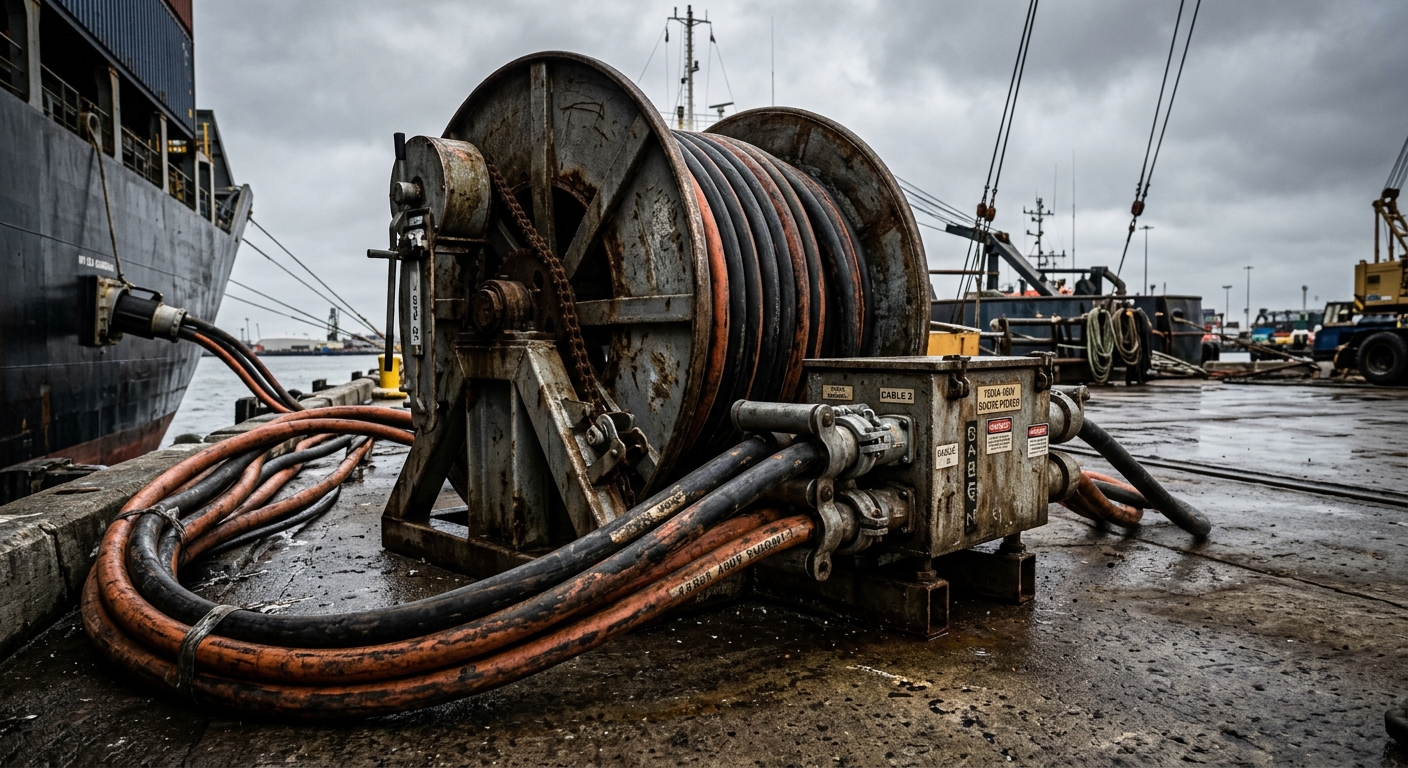
A cruise ship or large container vessel needs a cable connection thick enough to carry several thousand amps. These aren’t cables you plug in by hand — most installations use automated cable-handling systems or reel-based connection arms because manual handling of that gauge cable, dockside, in weather, is a safety liability. Design reviews that treat this as a minor mechanical detail routinely blow their installation timelines by months.
Reference standards here are non-negotiable: IEC/ISO/IEEE 80005 governs high-voltage shore connection systems, and any terminal operator specifying shore power equipment should require compliance documentation before signing off on vendor selection.
Marine shore power cable and reel connection equipment on a dock
Yard Equipment: RTGs, Straddle Carriers, and the Charging Network They Need
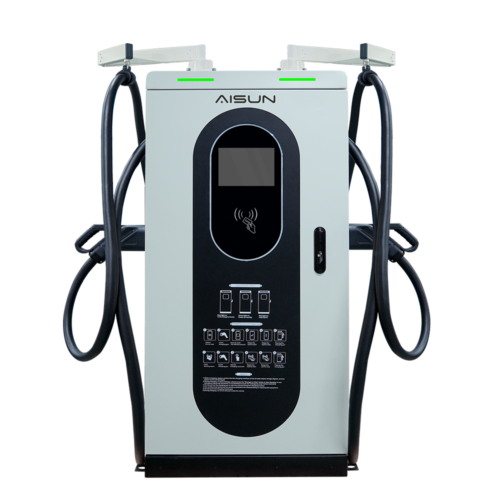
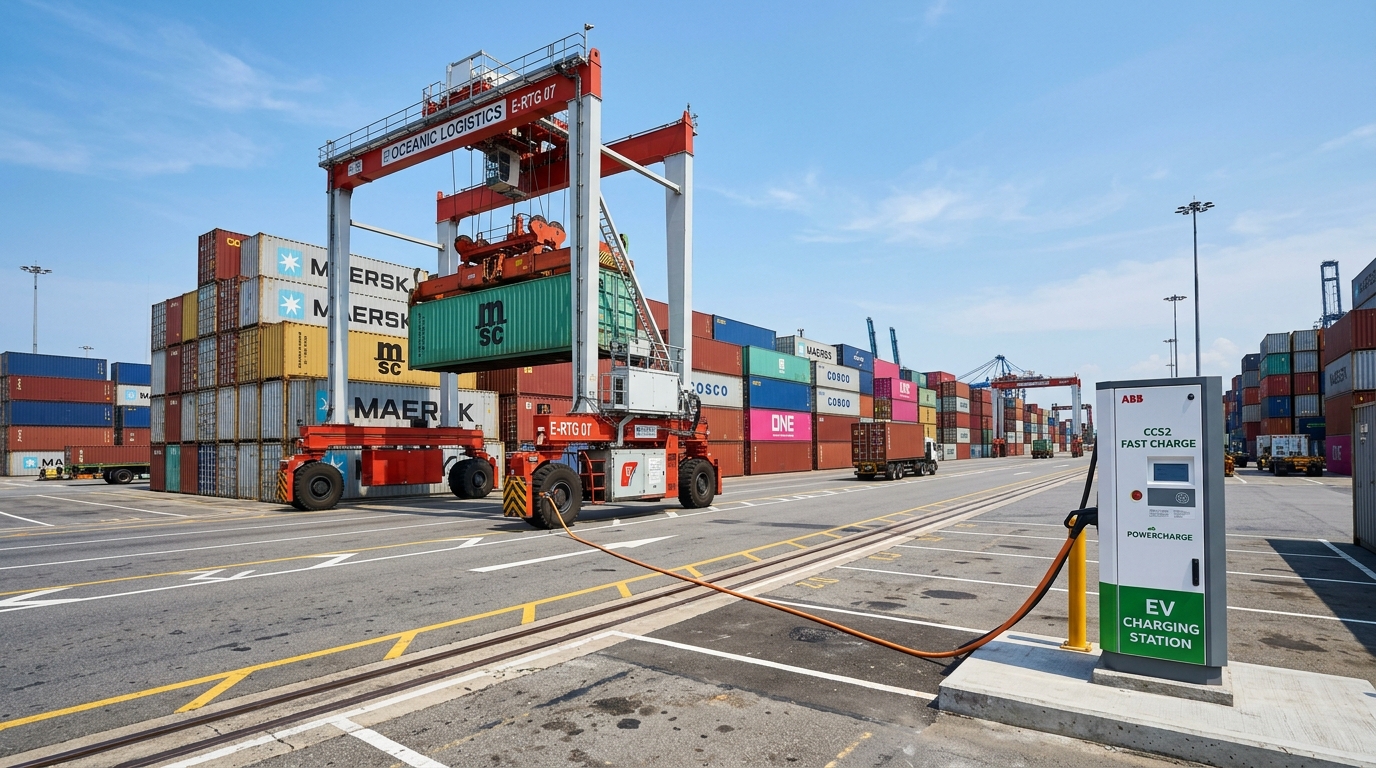
Rubber-tired gantry cranes (RTGs) and straddle carriers that have gone electric or hybrid don’t charge like forklifts — they need opportunity charging between container moves, not just overnight sessions. That means DC fast chargers positioned at yard block ends, sized for 150-350 kW output, with connectors rated for constant outdoor exposure to salt-laden air.
For instance, a terminal operator running 20 electric RTGs across four yard blocks typically installs charging points at block transition zones rather than a centralized station — the equipment simply doesn’t travel far enough between moves to justify a single hub. This is a fundamentally different sizing logic than the one used for matching DC chargers to warehouse duty cycles, where equipment returns to a fixed charging area.
Salt Air Changes the Enclosure Math
IP rating alone won’t tell you whether a charger survives five years at a container terminal. Salt fog accelerates corrosion on connectors, hinges, and PCB conformal coatings in ways that standard IP65/IP66 testing doesn’t fully capture. This is the same lesson covered in why IP rating alone doesn’t predict outdoor charger lifespan — for ports, it’s not optional reading, it’s a procurement requirement. Specify marine-grade coatings and stainless steel hardware, not just a high IP number on a datasheet.
Electric rubber-tired gantry crane charging at a container terminal yard block
Electric Drayage Trucks at the Gate: A Different Load Curve Entirely
Electric drayage trucks moving containers between the terminal and inland warehouses create a load profile closer to a logistics hub than a port — trucks queue, charge opportunistically for 20-40 minutes, and leave. This is essentially the pattern described in charging heavy-duty electric trucks site design lessons, but with one added wrinkle: gate throughput requirements mean chargers can’t create a bottleneck during peak vessel unloading windows.
Terminals solve this two ways: oversize the charging bank for peak-hour parallel charging, or stagger truck dispatch schedules to smooth demand. The second option is cheaper but requires terminal operations software integration most legacy port systems don’t have yet. Expect this to be the actual bottleneck in most electrification timelines — not the chargers themselves.
Grid Interconnection: Where Most Port Electrification Plans Actually Fail
The charger hardware is rarely the hard part. Getting 10+ MW of new capacity approved and connected by the local utility often takes 18-36 months — longer than the entire equipment procurement and installation timeline combined. Terminals that start utility conversations only after finalizing charger specs are almost always the ones facing multi-year delays.
Battery Buffering as a Bridge Strategy
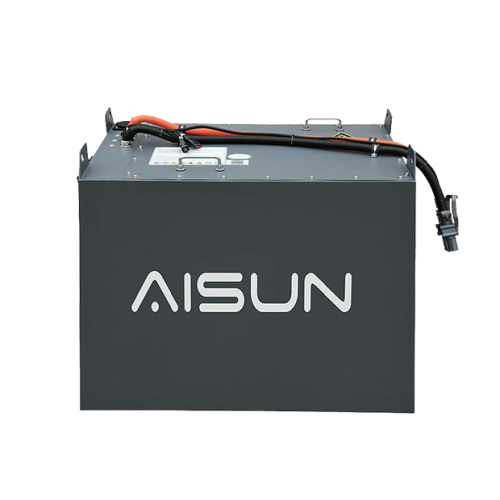
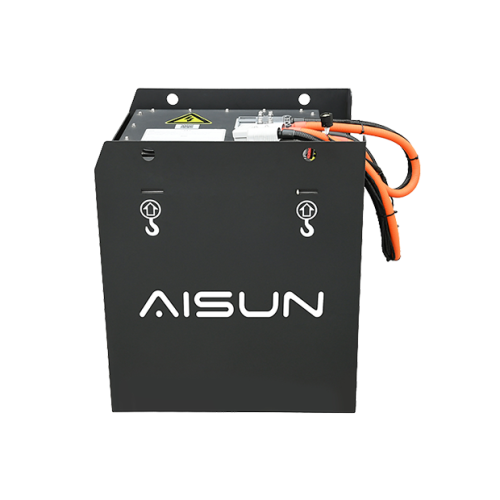
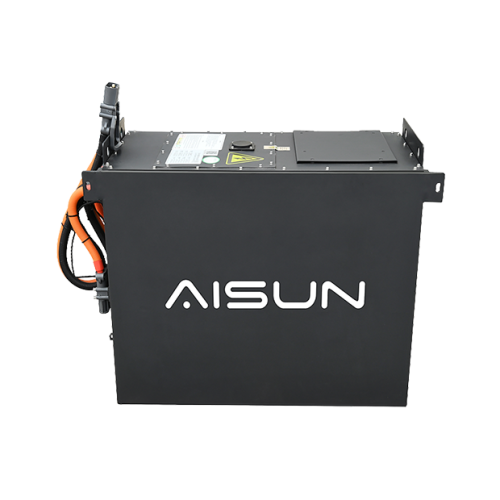
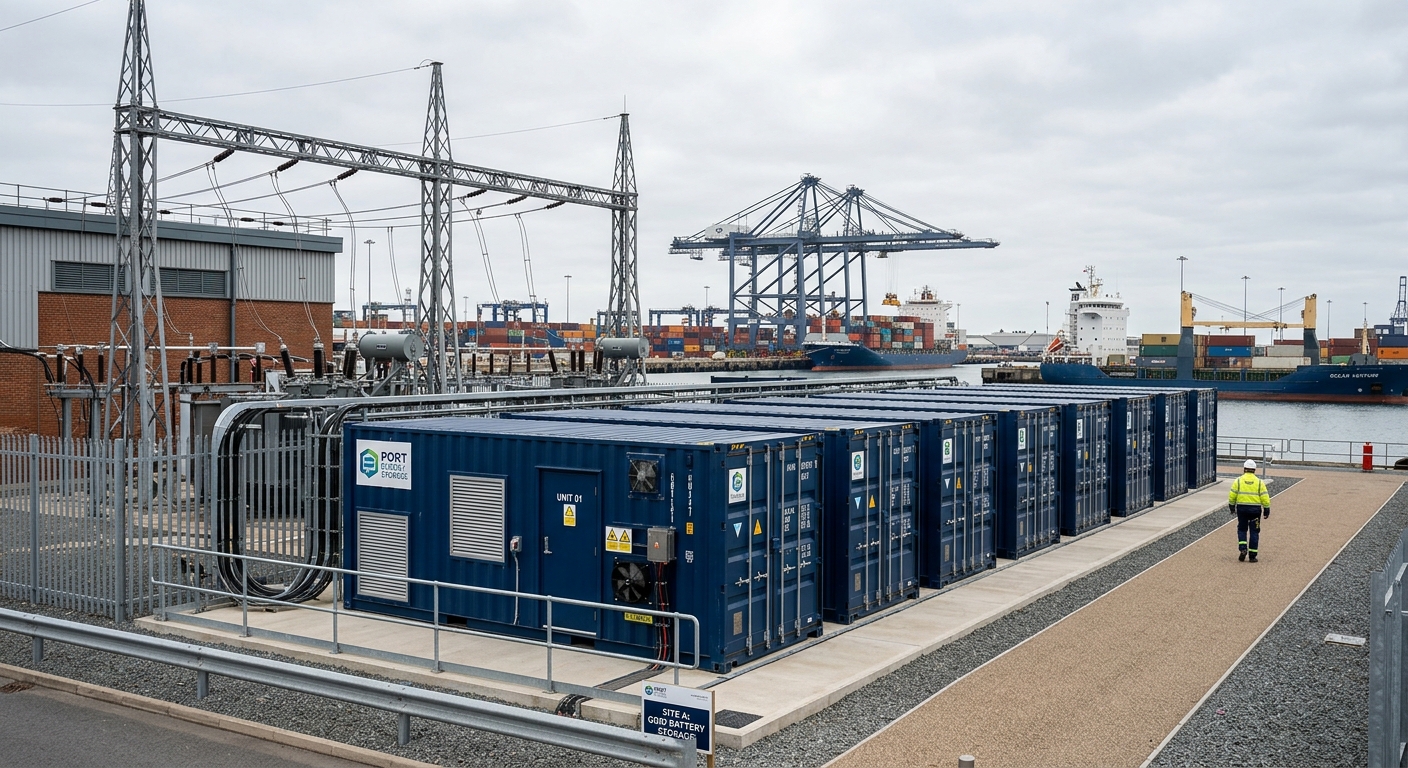
Some terminals are deploying battery-buffered systems to bridge the gap between grid capacity available today and what full electrification eventually requires. This mirrors the logic in battery-buffered DC fast chargers vs. grid upgrade — storage smooths peak demand during shift changes and vessel arrivals, letting terminals electrify equipment now while the utility upgrade works its way through permitting in parallel, not sequentially.
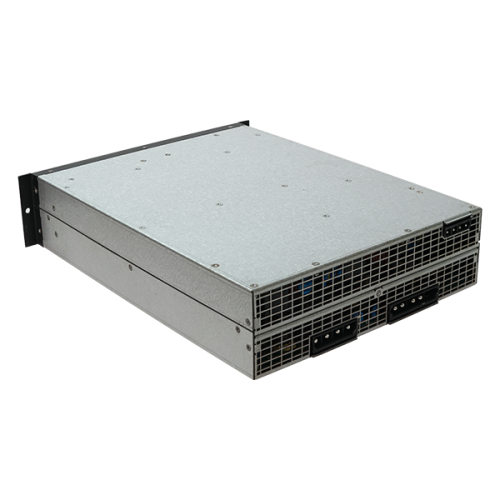
Battery storage units supporting port grid interconnection for electrification
OCPP, Monitoring, and Why Ports Need Tighter Uptime SLAs Than Retail Sites
A dead charger at a shopping center is an inconvenience. A dead charger on an RTG charging circuit during peak vessel turnaround can cascade into yard congestion and missed vessel departure windows — costing the terminal operator real money in demurrage and berth scheduling penalties.
This is why terminal charging networks lean heavily on remote diagnostics and OCPP-based fleet monitoring, similar in principle to what’s discussed in OCPP 1.6 vs. OCPP 2.0.1, but with SLA thresholds that are much stricter — often requiring 4-hour response windows rather than next-business-day service. Firmware reliability and remote fault clearing matter more here than almost any other charging environment.
Port Electrification Doesn’t Have to Mean One Giant Project
Port electrification often gets pitched as an all-or-nothing megaproject, but the terminals making real progress are phasing it: gate trucks first, then one yard block of RTGs, then cold ironing at the busiest berth. Each phase generates operational data that improves the sizing accuracy of the next phase — and keeps capital exposure manageable while utility interconnection catches up in the background.
Subscribe the newsletter to get updated to news and promotions
Cookies give you a personalized experience,Сookie files help us to enhance your experience using our website, simplify navigation, keep our website safe and assist in our marketing efforts. By clicking "Accept", you agree to the storing of cookies on your device for these purposes. Click "Adjust" to adjust your cookie preferences.For more information, review our Cookie Policy