Payment Terminal Integration for EV Chargers: What Distributors Need to Know Before Bidding on Public Contracts
Home / Blog / Guidelines / Payment Terminal Integration for EV Chargers: What Distributors Need to Know Before Bidding on Public Contracts
07 Jul, 2026
cashless EV charging compliance
EMV compliant EV charger
EV charger payment system RFP
EV charger public contract bidding
If you’re bidding on a public EV charging contract, the payment terminal is usually the thing that disqualifies bidders — not the charger’s power output. Most public RFPs in the US and EU now mandate EMV-compliant contactless payment as a baseline requirement, and getting that certification wrong (or underestimating the timeline) can sink a bid you were otherwise winning on price and specs. Distributors need to treat payment integration as a procurement line item with its own lead time, cost, and compliance risk — not an afterthought bolted on at installation.
Why Public Contracts Are Stricter Than Commercial Deployments
A gas station chain buying chargers for its own lot can decide payment doesn’t matter — RFID fobs and a mobile app are fine. A municipality or DOT cannot. Public contracts almost always answer to accessibility mandates and consumer protection rules that private buyers never touch.
In the US, this traces back to guidance tied to the Bipartisan Infrastructure Law’s NEVI program, which requires credit card payment acceptance at federally funded stations — no app-only workaround allowed. The EU’s Alternative Fuels Infrastructure Regulation (AFIR) goes further, requiring card or contactless payment on all public DC chargers above 50 kW installed after specific 2024–2027 deadlines. If your bid doesn’t address this explicitly, procurement teams will flag it before they even look at your commercial electric vehicle charging station specs.
EMV Certification Is the Bottleneck Nobody Budgets For
Here’s the part that catches distributors off guard: EMV Level 1 and Level 2 certification for a payment terminal isn’t something your OEM partner can just claim on a spec sheet. It’s a formal lab process with the payment card networks, and it typically takes 4 to 8 months per hardware revision.
What actually gets tested
Physical card reader mechanics and contactless antenna performance
Kernel-level transaction processing against Visa, Mastercard, and regional card scheme requirements
PCI PTS (PIN Transaction Security) compliance for the terminal enclosure
If your manufacturer changes the payment module mid-production run — even a minor firmware update — that can trigger re-certification. Ask for the actual EMV certificate number and expiration date, not just a verbal assurance. This is a due-diligence step that belongs in the same conversation as the one covered in OEM vs. ODM EV chargers, where sourcing shortcuts show up later as compliance gaps.
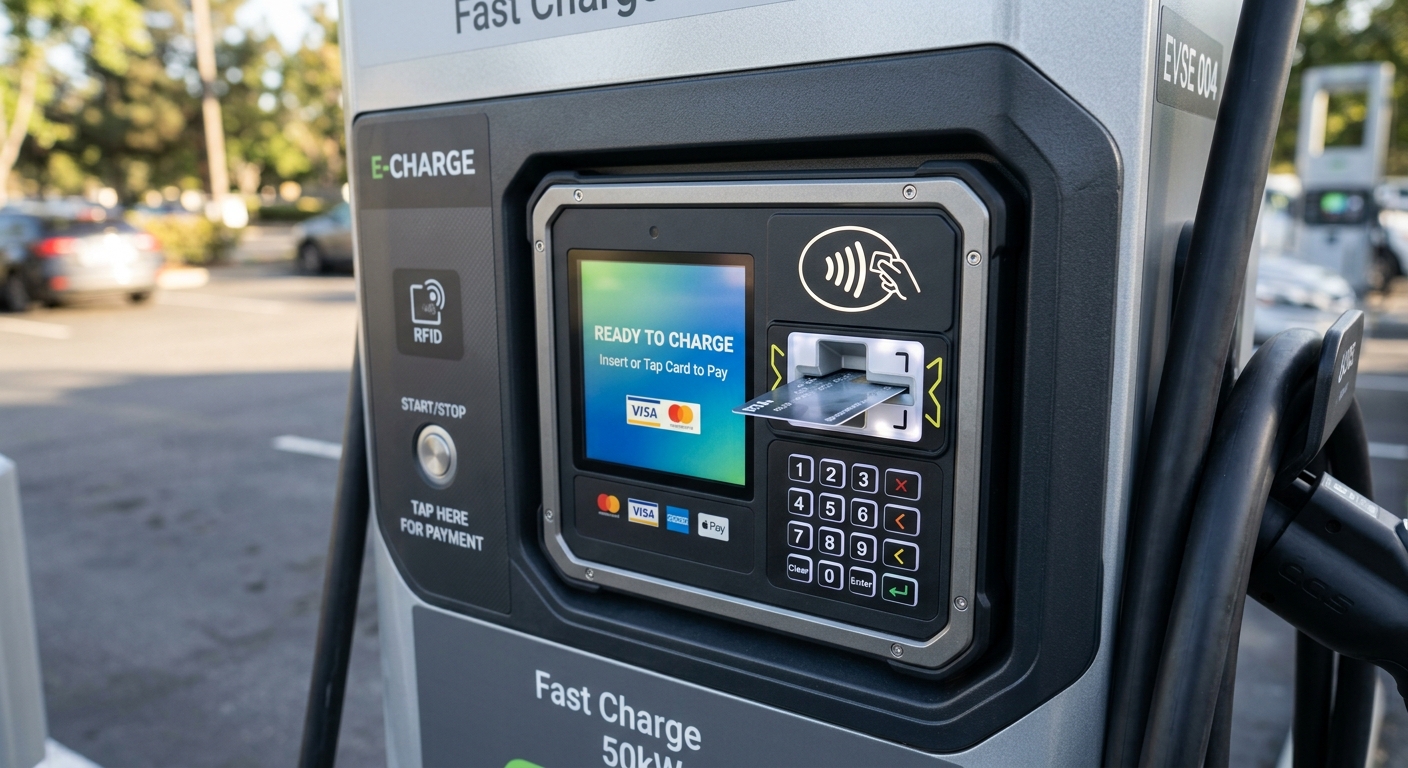
Close-up of EMV contactless card reader built into an EV charger
Backend Integration: Where the Real Cost Hides
The hardware terminal is the visible part. The expensive part is connecting it to a payment gateway, a merchant acquirer, and — for public contracts — usually a third-party billing platform mandated by the awarding authority. Budget $50 to $150 per charger per year in gateway transaction fees alone, on top of a one-time integration fee that can run $5,000 to $20,000 depending on how many backend systems you’re bridging.
For instance, a transit authority might require the charger to report transaction data to its own fare-collection system while simultaneously processing payment through a separate acquirer — meaning your OCPP backend and your payment backend have to talk to two different third parties. If you’re unclear on how OCPP versioning affects this kind of integration, it’s worth reviewing OCPP 1.6 vs. OCPP 2.0.1 before finalizing your architecture in the bid.
A Real-World Bid That Went Sideways
A distributor we worked with lost a county fleet-and-public-access contract last year — not because their DC fast chargers were underpowered, but because their proposed payment terminal used a proprietary gateway that hadn’t been certified for the state’s e-commerce tax reporting requirements. The evaluation committee flagged it during technical review, three weeks before award. The fix required swapping to a certified terminal mid-bid, which added eight weeks and forced a price resubmission.
The lesson: payment terminal certification isn’t just a federal or EU issue. State and local tax/reporting rules for public payment collection vary, and your bid documentation needs to name the specific certified gateway partner, not just say “EMV-compliant hardware included.”
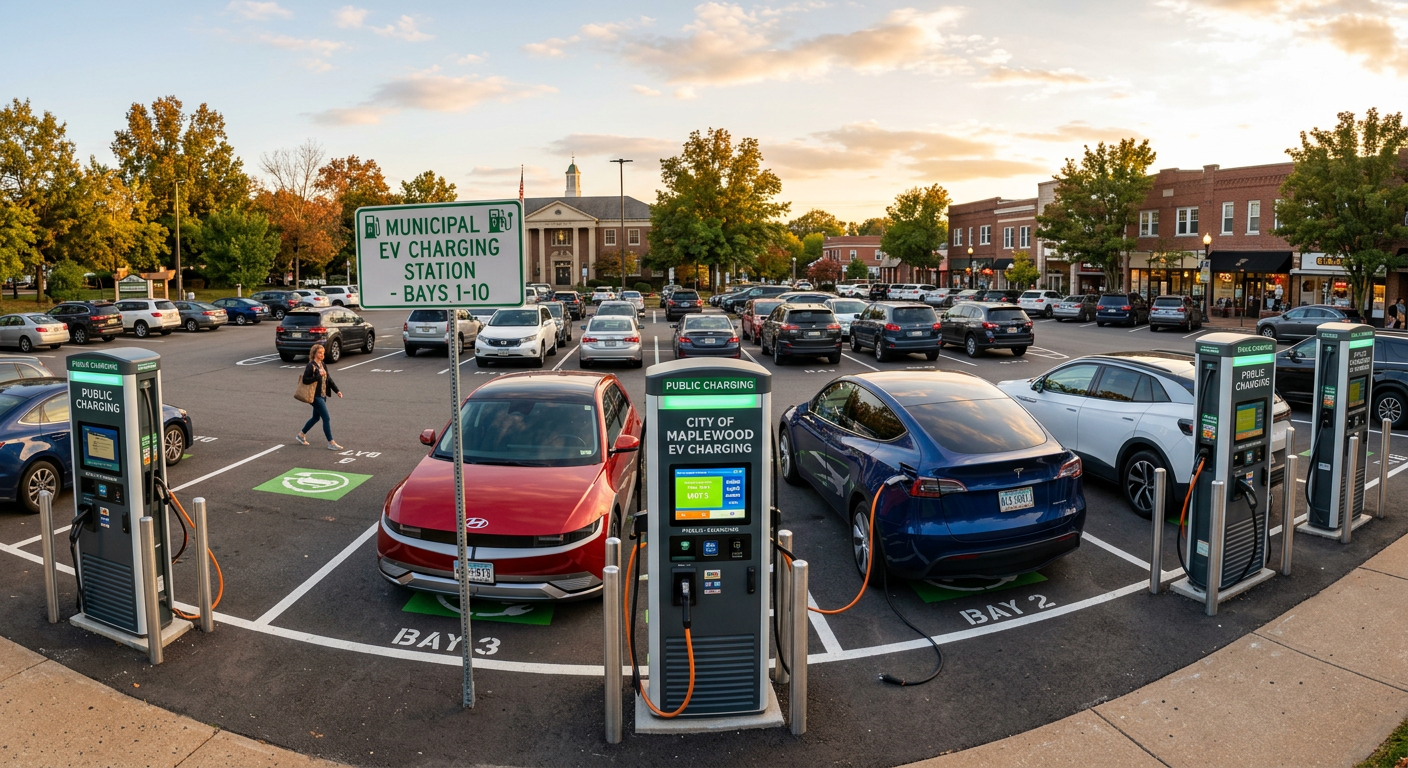
Municipal EV charging station with payment screen in a public parking lot
Contactless vs. App-Only: Why You Can’t Rely on One Method
Public contracts almost never accept a single payment method as sufficient — and for good reason. Accessibility requirements mean a driver without a smartphone or bank app account still needs a way to pay. Most winning bids specify at least two methods: EMV contactless as primary, plus RFID or app-based as a secondary convenience option.
This matters for your hardware selection too. A charger built for the fleet charging stations market might skip payment hardware entirely since fleet vehicles use account-based billing. That same unit is the wrong product to submit for a public-access RFP — don’t assume one SKU covers both use cases.
Writing the Payment Section of Your Bid Response
Procurement evaluators read dozens of near-identical technical proposals. The payment section is where vague language gets punished. Specify:
The exact EMV certificate level and issuing lab for your terminal hardware
Named backend payment gateway and settlement timeline (T+1, T+2, etc.)
PCI DSS compliance status for data handling, not just the terminal itself
Fallback payment method and how it’s disclosed to the end user at the charger
If you’re still building your internal checklist for RFP responses generally, cross-reference it against how to specify an EV charger RFP — payment compliance should be one line item in a much longer technical checklist, not a standalone afterthought.
Warranty and Maintenance Implications of Payment Hardware
Payment terminals are also one of the highest-failure-rate components in outdoor charging equipment — more than the power electronics, in our experience. Card readers see constant mechanical wear, and outdoor exposure to moisture and temperature swings degrades contactless antennas faster than the rest of the enclosure.
Ask your manufacturer directly what the terminal’s separate warranty term is — it’s often shorter than the charger’s overall warranty. This is exactly the kind of detail that surfaces after the fact in disputes like those described in the hidden cost of cheap EV chargers. A public contract with a 10-year service obligation needs a payment terminal replacement plan built into the maintenance budget, not a hope that the original unit lasts the full term.
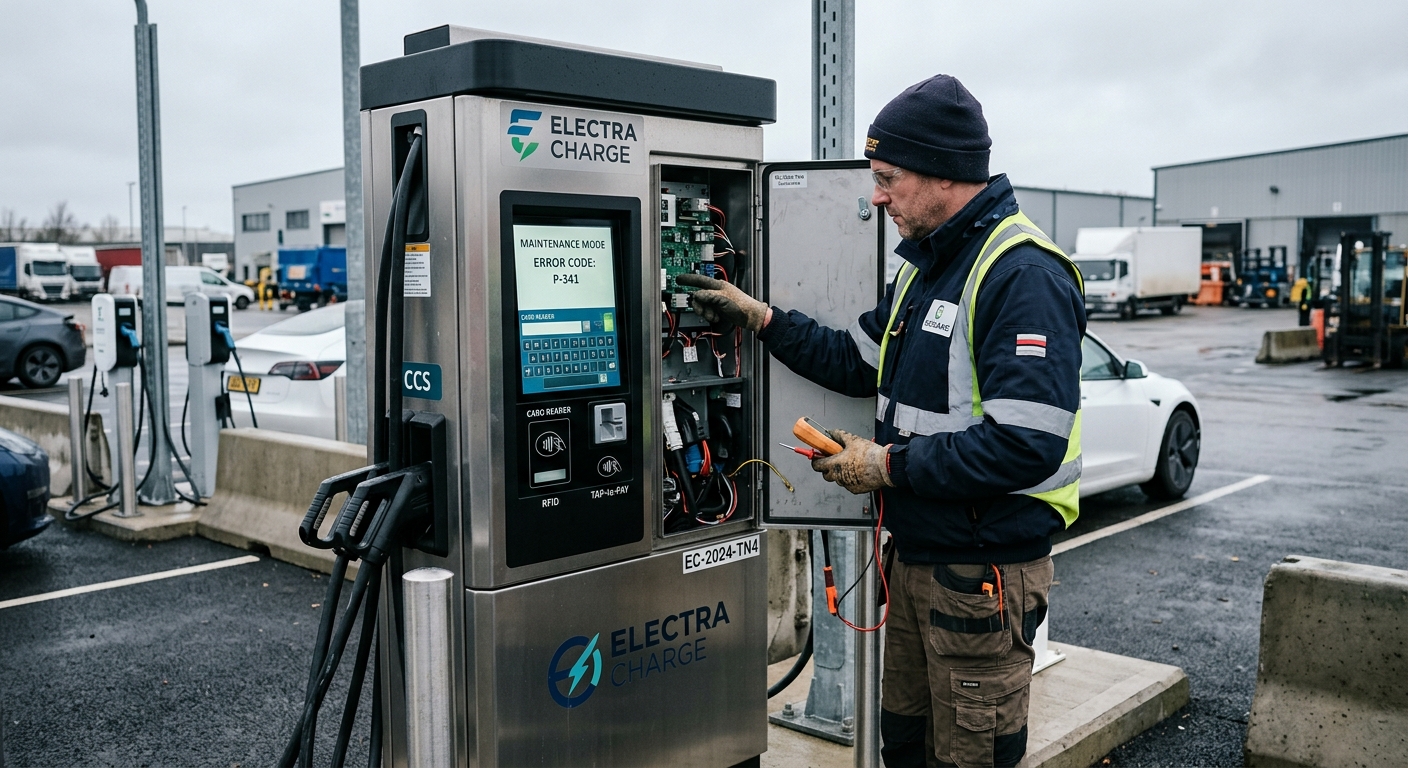
Technician servicing an EV charger payment terminal
Subscribe the newsletter to get updated to news and promotions
Cookies give you a personalized experience,Сookie files help us to enhance your experience using our website, simplify navigation, keep our website safe and assist in our marketing efforts. By clicking "Accept", you agree to the storing of cookies on your device for these purposes. Click "Adjust" to adjust your cookie preferences.For more information, review our Cookie Policy