Mobile EV Charging Service Explained from an Equipment and Infrastructure Perspective
Home / Blog / Guidelines / Mobile EV Charging Service Explained from an Equipment and Infrastructure Perspective
05 Mar, 2026
mobile EV charging
mobile EV charging service
portable EV charging
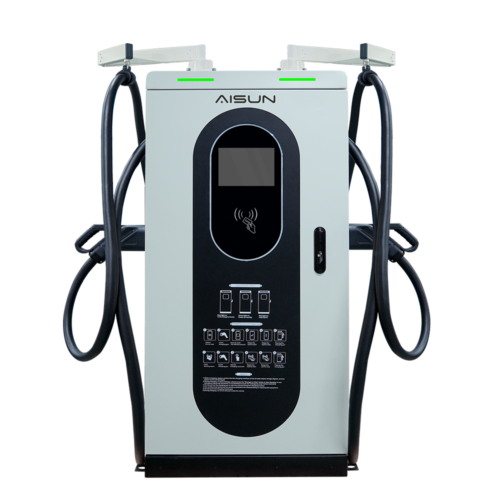
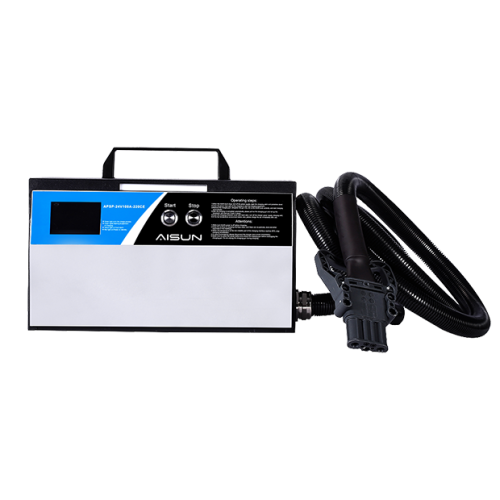
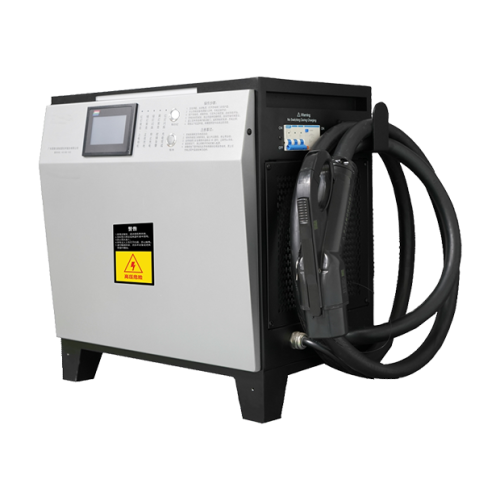
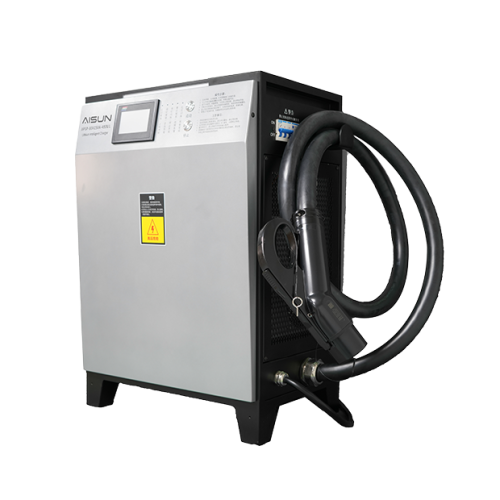
Mobile EV charging service is the deployment of transportable EV charging equipment that delivers electrical energy directly to electric vehicles without requiring permanent charging station installation.
These systems integrate energy storage, power conversion, vehicle charging connectors, and control systems into transportable platforms such as service vehicles, trailers, or modular charging units.
Mobile charging enables charging capability to be deployed wherever vehicles are located, supporting infrastructure flexibility and operational continuity.
Mobile EV Charging Overview
Category
Description
Definition
Transportable EV charging delivered using integrated mobile charging equipment
Infrastructure requirement
Does not require permanent charger installation
Energy source
Battery storage, grid connection, or hybrid systems
What Is Mobile EV Charging Service and How It Works
Mobile EV charging service refers to the use of transportable charging equipment designed to deliver electrical energy directly to electric vehicles instead of requiring vehicles to connect to fixed charging stations.
A complete mobile EV charging system typically includes the following core subsystems:
Energy Source
Battery energy storage systems
Utility grid connection capability
Hybrid integrated energy systems
These provide the electrical energy required for charging deployment.
Power Conversion System
AC-DC conversion modules
DC fast charging modules
Power control electronics
These regulate and deliver controlled charging output to vehicles.
Charging Interface
Mobile charging systems support standard vehicle connectors, including:
These parameters define the system’s operational charging envelope.
Vehicle-Side Factors
Vehicle characteristics also influence charging behavior, including:
Vehicle charging acceptance rate
Battery state of charge behavior
Battery temperature conditions
Charging protocol compatibility
Charging performance depends on the interaction between system capability and vehicle acceptance.
Mobile EV Charging vs Permanent Charging Infrastructure
Mobile charging and permanent charging infrastructure serve complementary roles.
Parameter
Mobile EV Charging Systems
Permanent Charging Infrastructure
Deployment speed
Rapid deployment
Requires installation and construction
Infrastructure dependency
Optional grid dependency
Requires fixed grid connection
Deployment flexibility
Fully transportable
Fixed location
Infrastructure permanence
Temporary or flexible deployment
Permanent installation
Scalability approach
Modular and movable
Site-dependent expansion
Best use cases
Temporary, transitional, flexible deployment
Long-term high-volume charging
Common Applications of Mobile EV Charging Deployment
Mobile EV charging systems are widely used across operational environments requiring flexible charging deployment.
Common applications include:
Fleet electrification transition support
Vehicle logistics and staging operations
Temporary charging infrastructure deployment
Infrastructure expansion support
Industrial and operational charging deployment
Remote or infrastructure-limited charging environments
These applications highlight the operational flexibility mobile charging systems provide.
How Mobile EV Charging Systems Are Deployed
Mobile charging deployment involves structured operational workflow.
Typical deployment process includes:
Deployment planning and site readiness assessment
Equipment transport and positioning
Electrical connection and safety verification
Charging operation and system monitoring
Safe disconnection and system reset
Fleet deployments may also include monitoring, maintenance, and deployment optimization.
Engineering Factors That Determine Mobile Charging Equipment Performance
Mobile charging system performance depends on core engineering design parameters. Key performance factors include:
Output power capability
Energy storage capacity
Thermal stability and cooling capability
Charging protocol compatibility
System efficiency and energy management
Modular and scalable system architecture
These engineering parameters define real-world system capability.
Realistic Role of Mobile Charging in EV Infrastructure
Mobile EV charging is designed to complement permanent charging infrastructure. It provides charging capability when permanent infrastructure is:
Not yet installed
Under expansion or upgrade
Temporarily unavailable
Operationally impractical
Mobile charging enables flexible infrastructure deployment while permanent charging infrastructure continues expanding.
Future Trends in Mobile EV Charging Equipment
Mobile EV charging equipment continues evolving as EV adoption increases.
Key trends include:
Higher power density charging systems
Improved energy storage integration
Reduced equipment size and weight
Expanded connector compatibility
Modular system scalability
Advanced monitoring and control systems
These developments improve mobile charging deployment capability.
FAQ
What is mobile EV charging service
Mobile EV charging service refers to transportable charging equipment that delivers electrical energy directly to electric vehicles without requiring permanent charging infrastructure.
What equipment is used in mobile EV charging
Mobile charging systems include energy storage systems, power conversion modules, charging connectors, thermal management systems, and transport platforms.
Can mobile charging replace permanent charging stations
Mobile charging complements permanent charging infrastructure but does not replace it.
What determines mobile charging capability
Charging capability depends on system output power, energy storage capacity, thermal stability, and vehicle compatibility.
Where is mobile EV charging commonly used
Mobile charging is commonly used in fleet operations, logistics deployment, infrastructure expansion, and temporary charging scenarios.
Conclusion
Mobile EV charging service represents a transportable charging infrastructure solution enabled by integrated equipment systems.
Rather than replacing permanent charging infrastructure, mobile charging extends charging capability into locations where fixed infrastructure is unavailable, impractical, or under development.
From an equipment and infrastructure perspective, mobile charging systems provide flexible, scalable charging deployment capability that supports ongoing EV infrastructure expansion.
Subscribe the newsletter to get updated to news and promotions
Cookies give you a personalized experience,Сookie files help us to enhance your experience using our website, simplify navigation, keep our website safe and assist in our marketing efforts. By clicking "Accept", you agree to the storing of cookies on your device for these purposes. Click "Adjust" to adjust your cookie preferences.For more information, review our Cookie Policy