The Hidden Cost of Cheap EV Chargers: What Distributors Learn After the First Warranty Claim
Home / Blog / Guidelines / The Hidden Cost of Cheap EV Chargers: What Distributors Learn After the First Warranty Claim
03 Jun, 2026
EV charger distributor costs
EV charger warranty claims
low-cost EV charger risks
OEM EV charger reliability
Cheap EV chargers look like a margin win on the purchase order — until the first warranty wave hits, and distributors discover that reverse logistics, field service callouts, and damaged installer relationships wipe out the savings two or three times over. Across hundreds of distributor projects, the pattern is consistent: a 30% unit price advantage at procurement turns into a 40–60% cost overrun within 18 months once failure rates, downtime penalties, and reputational damage are counted. The real question isn't “how cheap can I source?” — it's “what does this charger actually cost me over three years of field operation?”
The Real P&L Impact of a Single Warranty Claim
Most distributors underestimate what one warranty claim actually costs. The unit replacement itself is the smallest line item.
Break down a typical field failure on a 22 kW AC wallbox sold to a commercial site:
That's $1,070 to $1,730 to resolve one claim on a unit that saved you maybe $150 at purchase. Now multiply by a 10% failure rate across a 500-unit order. Suddenly the “savings” are $75,000 in the red — and that's before counting the distributor who stops returning your calls because two of their installs failed in the same week.
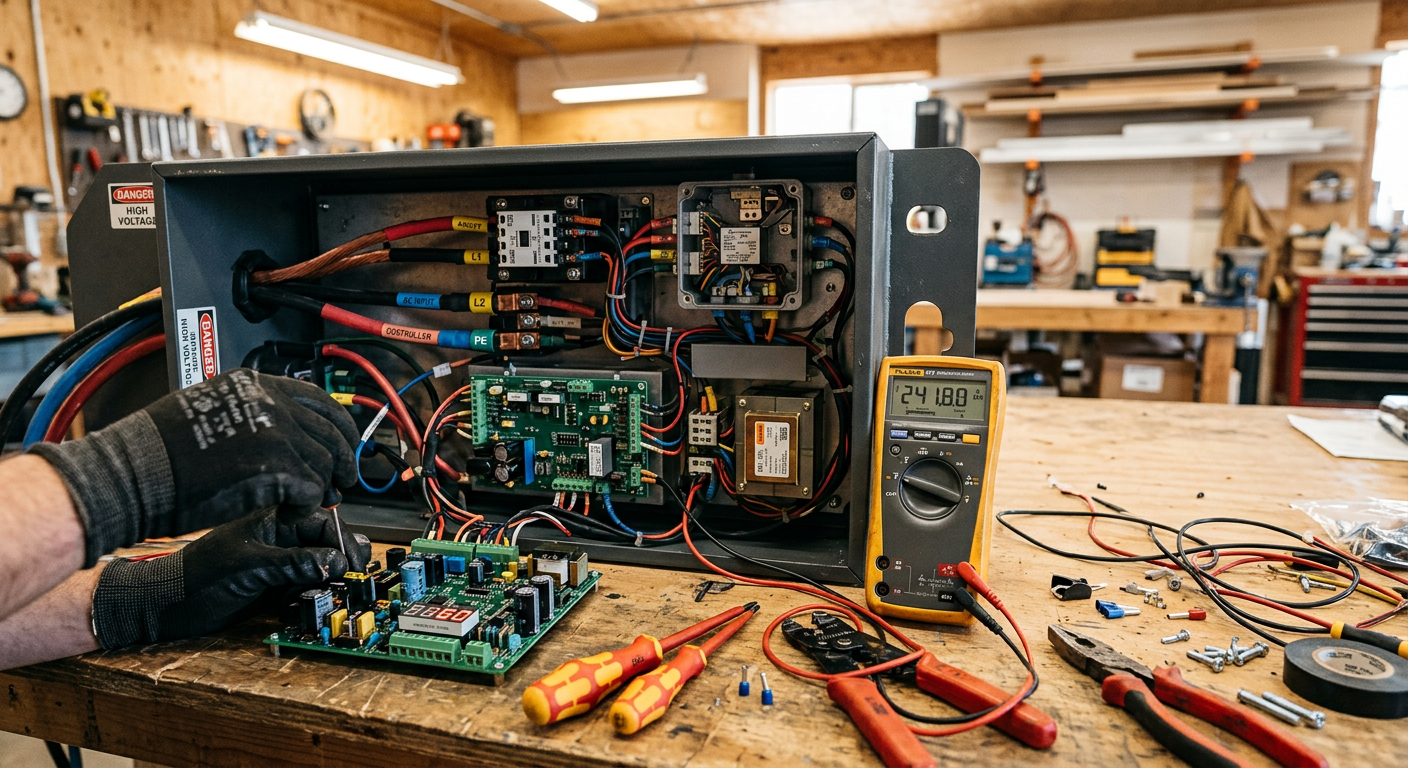
Technician inspecting the interior of a failed EV charger on a service workbench
Why Cheap Chargers Fail in Predictable Places
Failure modes in low-cost EV chargers aren't random. They cluster around four components that budget manufacturers skimp on, because end buyers can't see them in a spec sheet.
1. The contactor
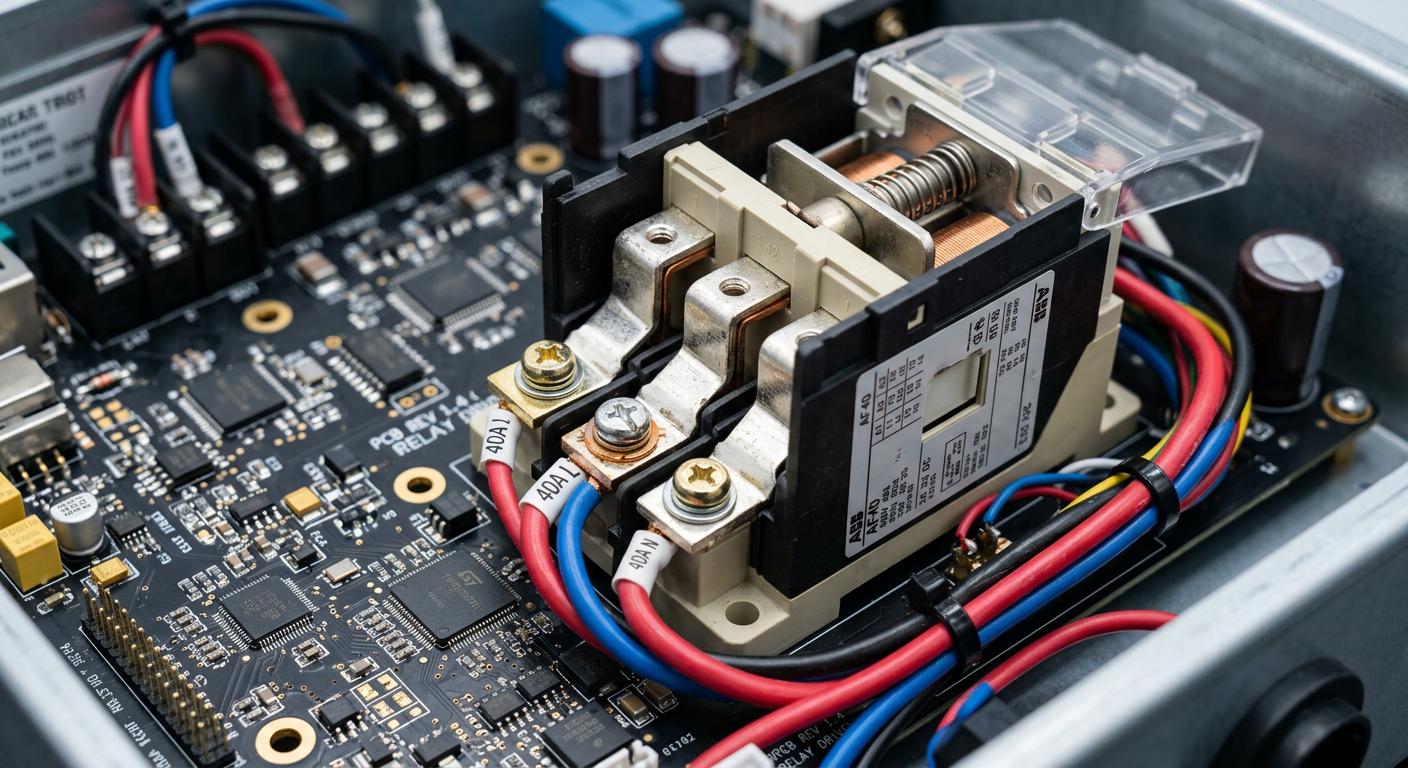
Cheap units use 30A contactors rated for 6,000 cycles. On a public charger doing 8 sessions per day, that's a two-year lifespan. Engineered chargers use 40A contactors rated for 30,000+ cycles.
2. The AC/DC power module (for DC chargers)
Low-cost power modules run hotter, have weaker derating curves, and fail catastrophically above 40°C ambient. One North African distributor learned this the hard way — 22 of 80 units failed within the first summer.
3. Surge protection
Many budget chargers omit or undersize Type 2 SPDs. A single nearby lightning strike can kill an entire carpark of units overnight.
4. The MCU and communication board
Cheaper MCUs lack proper watchdog timers and brown-out detection, which is why these units throw the endless “communication lost” errors that plague budget deployments. Our guide on traditional vs. smart chargers covers similar engineering tradeoffs in the industrial segment.
Detailed view of high-quality electrical contactor and circuit board components inside a premium EV charger
The Supplier Red Flags Most Distributors Miss
By the time a warranty claim surfaces, it's too late to vet the supplier. You have to catch the warning signs before the PO is signed.
Here's what experienced sourcing managers check before placing any serious order:
Ask for the actual BOM of key components. Reputable manufacturers will share the contactor brand, MCU chip, and power module supplier. Evasive answers = cut corners.
Request failure rate data from the last 12 months. If they can't produce it, they aren't tracking it — which means they won't fix it.
Check firmware update policy. Any OEM that can't push OTA updates will leave you stranded when OCPP or payment protocols evolve.
Verify the certification lab. “CE certified” from an unrecognized lab isn't worth the PDF it's printed on. Look for TUV, Intertek, or SGS.
Spare parts commitment. Will they stock parts for five years after end-of-life? Get it in writing.
A Mini Case Study: The $40,000 Lesson
A European distributor — we'll call them Partner M — placed a 300-unit order of 7kW AC wallboxes from a low-cost supplier at $310/unit, saving roughly $150 per unit versus an engineered alternative. On paper: $45,000 saved.
Within 14 months:
47 units failed (mostly contactor welding and RCD faults)
Original supplier stopped responding to emails by month 10
Replacement units had to be sourced elsewhere at $520 each
Two commercial clients cancelled follow-on contracts worth ~$180,000
Final tally: about $40,000 net loss on the order itself, plus lost future revenue. Partner M now specifies full BOM disclosure and a minimum 3-year spare parts guarantee on every tender — a policy that aligns with best practices we cover in building a successful EV charging business.
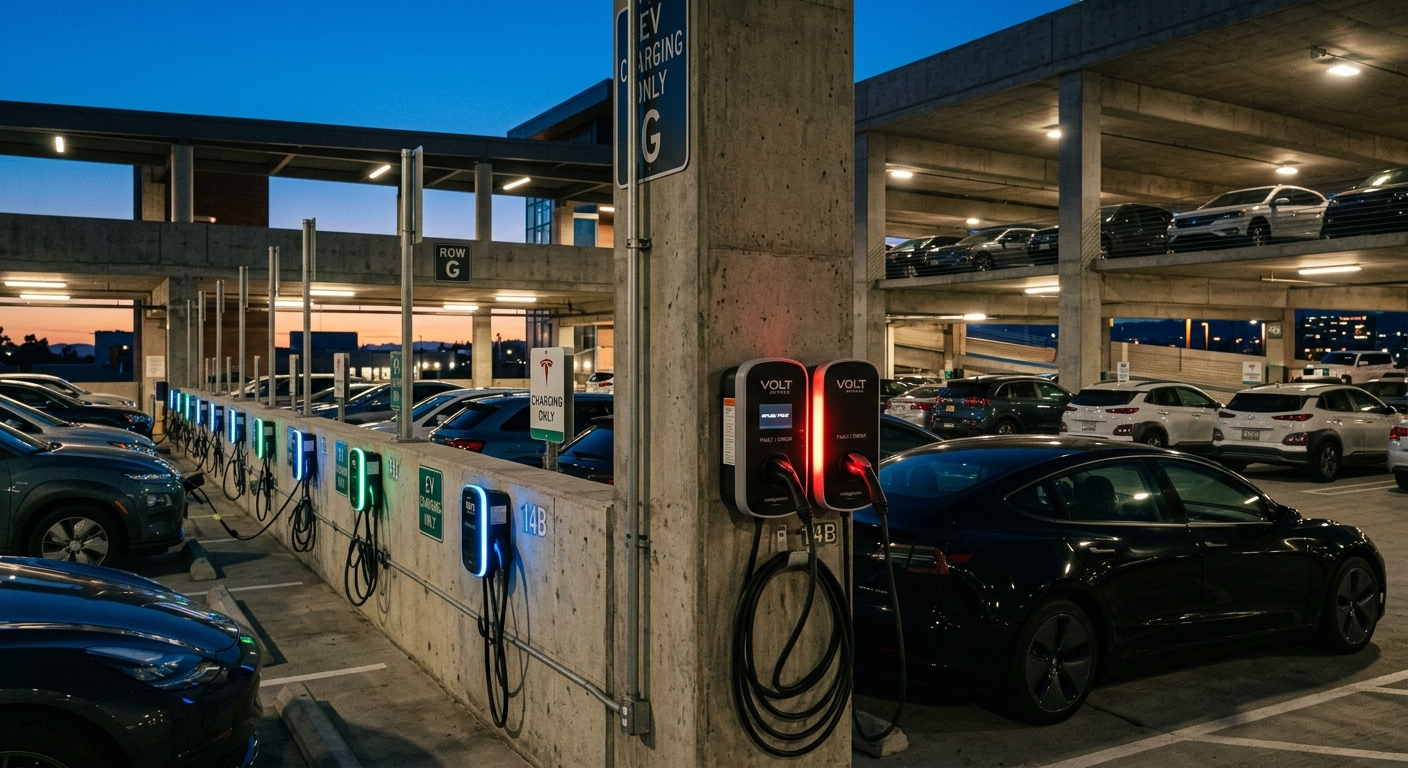
EV wall chargers installed in a commercial parking garage with one showing a fault indicator
Certification Theater vs. Real Engineering Validation
A certificate on a PDF doesn't mean the product was actually tested. It means one sample was tested — maybe.
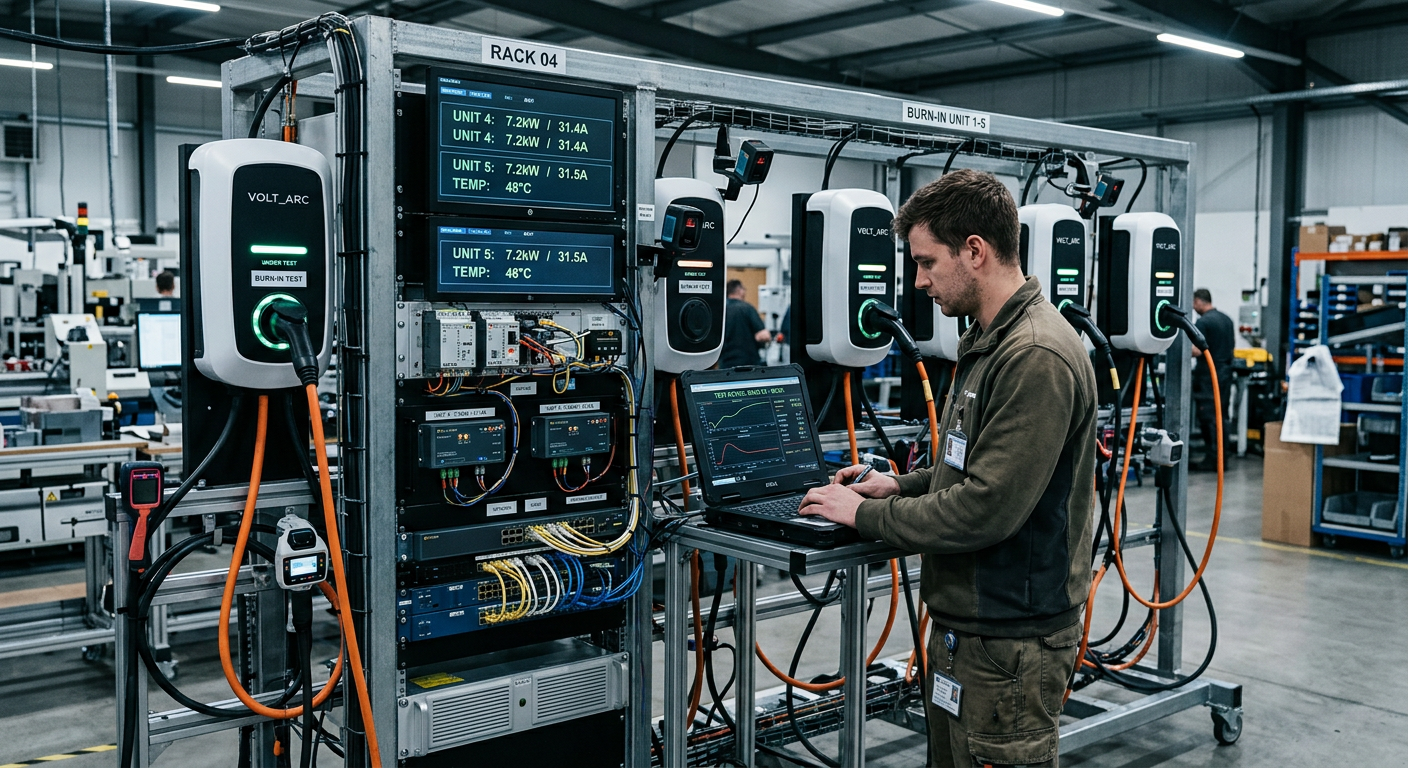
In mass production, what keeps failure rates below 2% is ongoing line testing: 100% high-pot testing, burn-in at elevated temperature for 4–8 hours, EMC spot-check on every production batch, and traceable serial numbers tied to component lots. Budget factories skip most of this because it slows throughput.
A quick test for any distributor: ask your supplier for the production test log for the last batch they shipped you. An engineered OEM will send it. A cheap factory will either refuse, stall, or invent one on the spot.
EV chargers undergoing burn-in testing on a factory quality control line
The Communication Problem: OCPP and Firmware Debt
Cheap chargers ship with whatever firmware was on the MCU the day they left the factory — and that's often the last firmware they'll ever see. When OCPP 1.6 deployments start migrating toward 2.0.1, when payment processors change their APIs, when a security vulnerability is disclosed, those units become paperweights.
For distributors serving networked charging operators, this is a silent killer. A charger that worked fine in 2024 may be non-compliant with a CPO's platform by 2027. Engineered OEMs commit to firmware roadmaps and provide OTA infrastructure — budget suppliers don't, because they don't have the R&D team to maintain it. This alone justifies the premium on professional-grade charging solutions.
How Engineered Chargers Change the Math Over 3 Years
Let's redo the math with honest numbers. Take a 500-unit deployment of 22kW AC chargers over 36 months.
Budget-tier scenario
Unit cost: $380 × 500 = $190,000
Expected failures (12% over 3 years): 60 units
Service cost per failure (avg): $1,200
Total service burden: $72,000
Reputation/churn cost (estimated): $30,000
3-year total: $292,000
Engineered OEM scenario
Unit cost: $550 × 500 = $275,000
Expected failures (2% over 3 years): 10 units
Service cost per failure (avg): $600 (faster RMA, local stock)
Total service burden: $6,000
Reputation/churn cost: ~$0
3-year total: $281,000
The engineered option ends up $11,000 cheaper — and the distributor spends their time selling instead of firefighting. That's the version of the story no spec sheet tells you.
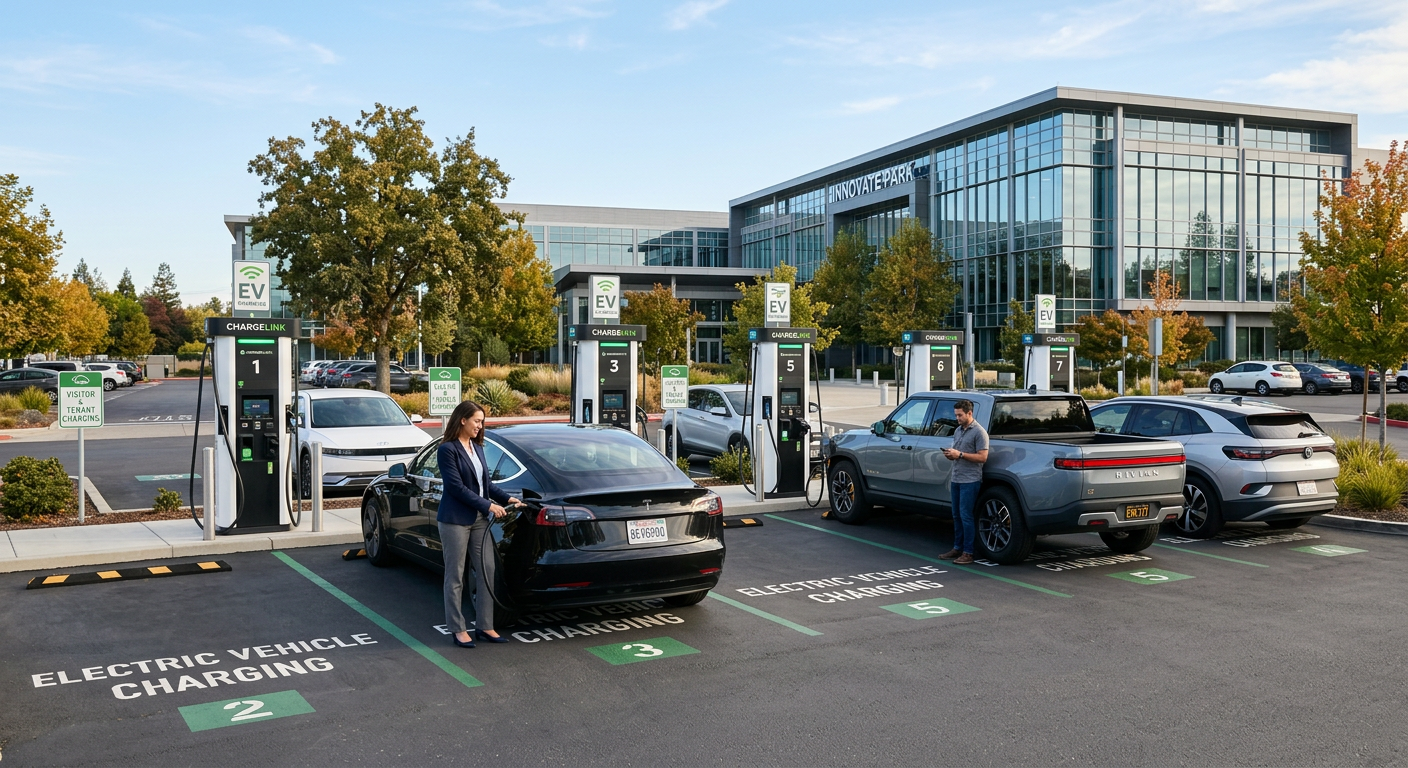
Reliable commercial EV charging station array operating in daylight
What to Demand From Your Next EV Charger Supplier
If you're about to place an order, turn the questions above into a formal supplier checklist. At minimum, require:
Full component BOM with brand names for contactors, MCUs, and power modules
Factory failure rate data from the last 12 months, by model
Written commitment to 5-year spare parts availability
OTA firmware update capability with a published roadmap
Sample of actual production test logs
A realistic warranty SLA — response in 72 hours, not “we'll get back to you”
Reference contacts from two existing distributor clients
Any supplier who can't meet these isn't cheap — they're expensive in slow motion. For distributors moving into industrial and fleet segments, the stakes get even higher; see our overview on fleet charging infrastructure and selecting industrial battery chargers for context.
The Bottom Line for Distributors
The cheapest charger on the quote sheet is almost never the cheapest charger in the field. Every experienced distributor eventually learns this — the only question is whether they learn it on a 50-unit test batch or a 2,000-unit flagship deployment. The difference between those two outcomes is usually one or two extra hours of supplier due diligence before signing.
At evaisun, we build OEM and ODM EV chargers for distributors who've already been burned once and aren't interested in being burned again. If you want the full BOM, the failure rate data, and a straight conversation about what three years of field service actually costs, reach out — we'll send the documentation before we send the pitch.
Subscribe the newsletter to get updated to news and promotions
Cookies give you a personalized experience,Сookie files help us to enhance your experience using our website, simplify navigation, keep our website safe and assist in our marketing efforts. By clicking "Accept", you agree to the storing of cookies on your device for these purposes. Click "Adjust" to adjust your cookie preferences.For more information, review our Cookie Policy