Future EV Charging Technology: 5 Developments That Will Matter in 2026
Home / Blog / Industry News / Future EV Charging Technology: 5 Developments That Will Matter in 2026
02 Mar, 2026
EV Charging Technology
Ultra-Fast Charging
Smart EV Charging
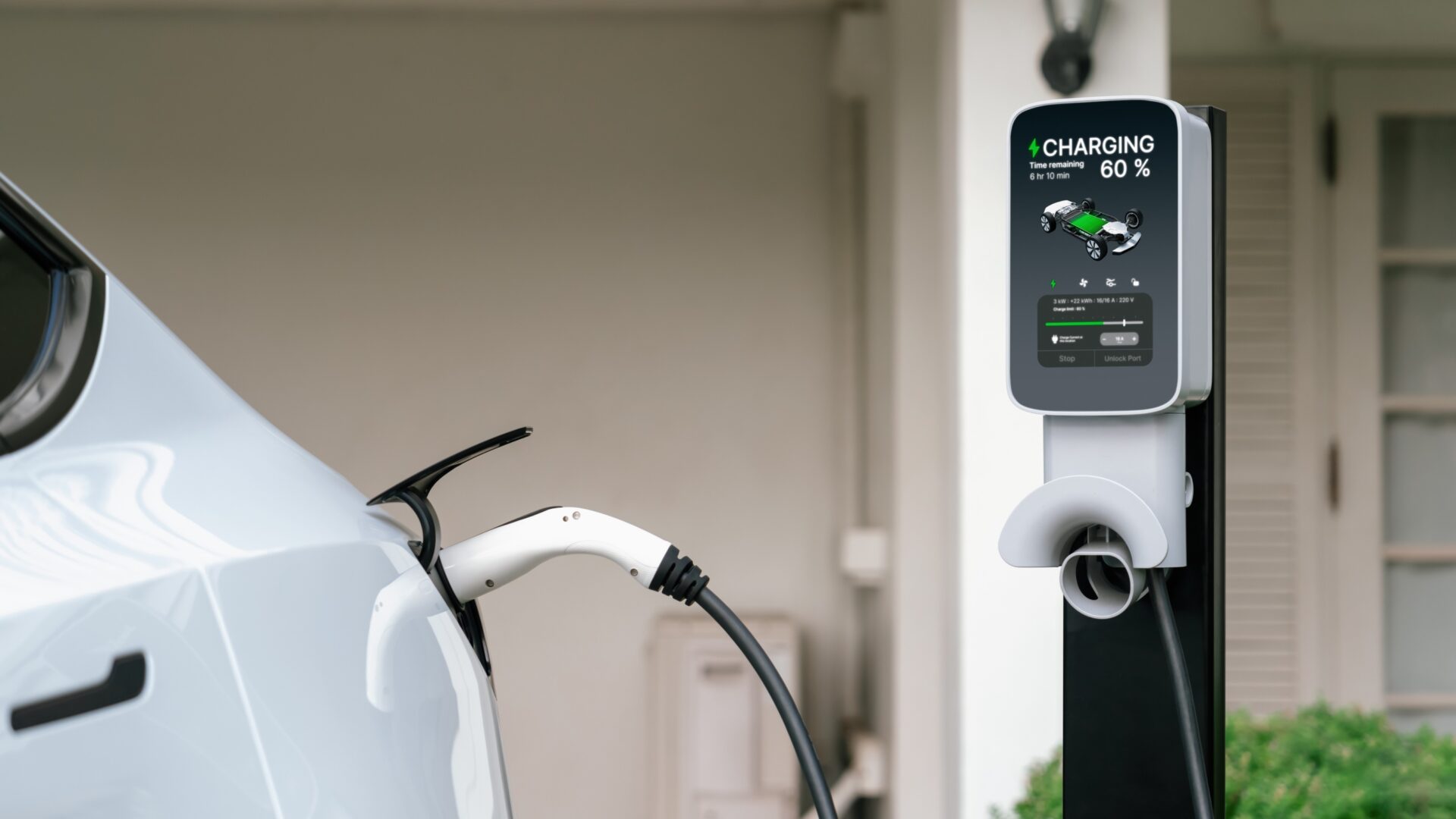
The future of EV charging technology is rapidly transforming how drivers power electric vehicles (EVs). As adoption accelerates worldwide, innovations in EV charging infrastructure are critical to reducing range anxiety, improving convenience, and supporting sustainable energy goals. Leading trends include ultra-fast charging stations, smart charging systems, wireless EV charging, and vehicle-to-grid (V2G) integration — all reshaping what EV owners expect from charging experiences.
Current State of EV Charging Infrastructure
Expansion of Charging Networks
Public and private entities are expanding EV charging infrastructure to meet surging EV sales and adoption. Projections show millions of new charging ports and stations being built by 2030 to accommodate growing fleets of EVs.
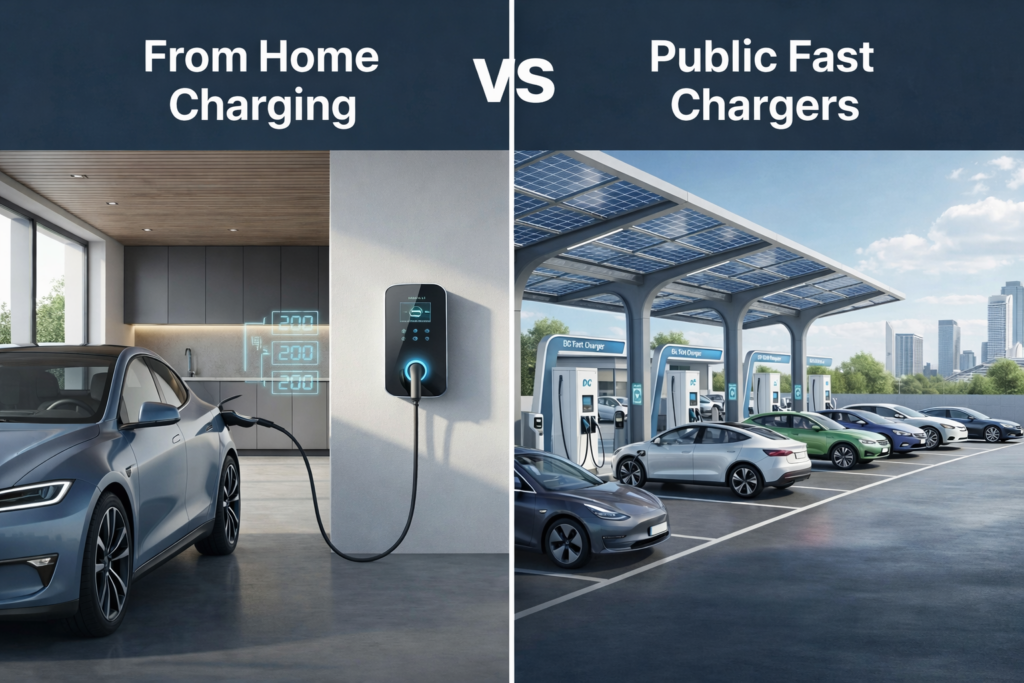
From Home Charging to Public Fast Chargers
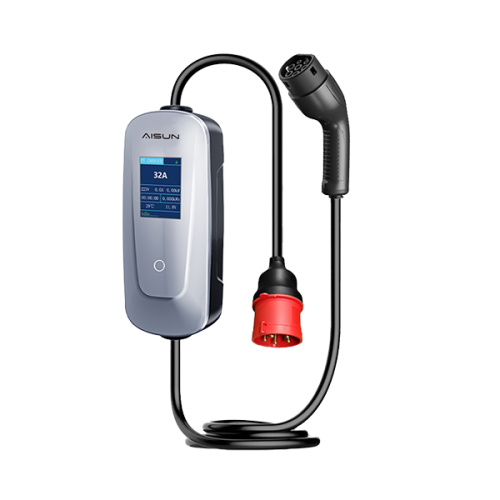
Residential charging remains popular, with next-gen home stations becoming more efficient and smarter in energy management.
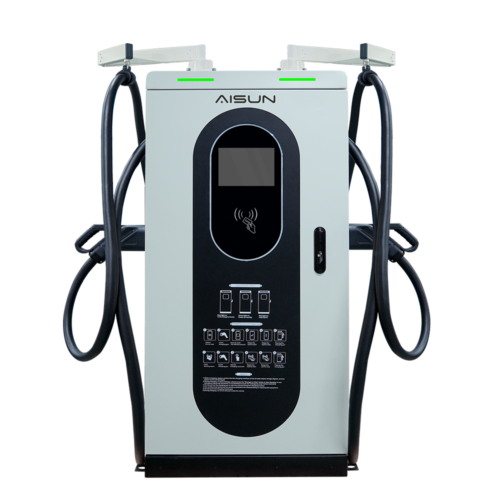
Ultra-fast charging is a cornerstone of modern EV infrastructure. New chargers capable of delivering hundreds of kilowatts — and even pushing beyond 900 kW — can add significant range in minutes rather than hours. These advances directly address range anxiety and rival gasoline refueling times.
Smart and AI-Driven Charging Networks
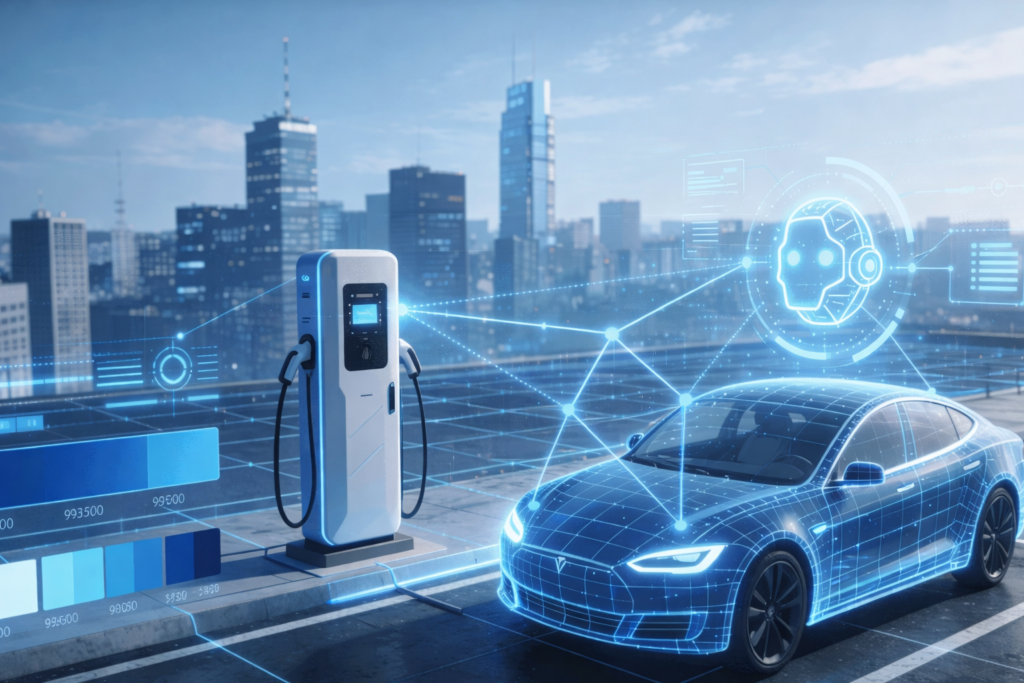
The integration of smart charging technology and AI is optimizing the EV charging experience:
AI algorithms balance grid demand, manage dynamic pricing, and increase charger uptime.
Predictive analytics and load management ensure chargers operate efficiently even during peak demand.
Smart networks also support fleet electrification by scheduling and allocating charging resources intelligently.
Wireless and Automated Charging Technologies
Wireless EV Charging
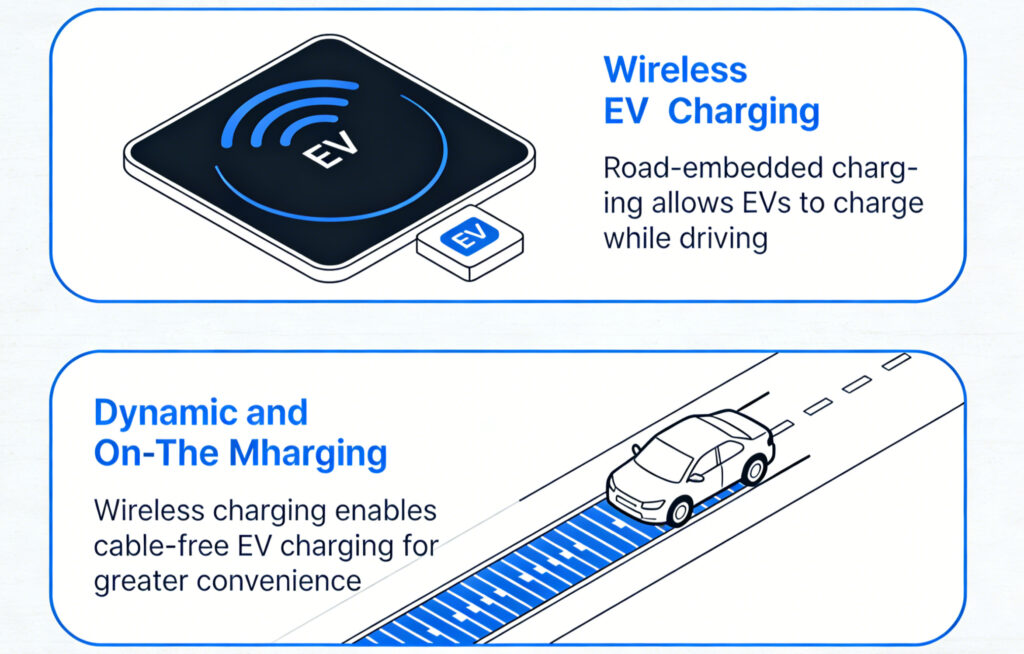
Wireless charging — using electromagnetic induction — allows EVs to charge without cables, increasing convenience and reducing wear. This technology is expanding into both residential and public charging contexts.
Dynamic and On-The-Move Charging
Research into dynamic wireless charging aims to embed charging coils into roads, enabling EVs to charge while driving. This could significantly reduce the dependence on stationary chargers and improve travel range in urban environments.
Bi-Directional Charging and V2G Integration
Vehicle-to-Grid (V2G) Technology
V2G capability allows EVs to feed energy back to the power grid, improving grid stability and creating opportunities for EV owners to participate in energy markets.
Vehicle-to-Home (V2H) and Energy Storage
Vehicle-to-Home (V2H) functionality transforms EVs into mobile energy storage units, providing backup power during outages and maximizing the use of renewable energy.
Standardization and Regulation in EV Charging
Global Charging Standards
Standardization, such as the adoption of ISO 15118 and broader interoperability frameworks, is crucial as EV charging networks scale. These standards simplify the charging experience across brands and networks.
Policy and Incentives
Government investments and regulatory frameworks — like those promoting public charging expansion and grid upgrades — are accelerating EV infrastructure deployment.
Emerging Alternatives: Battery Swapping and Innovation
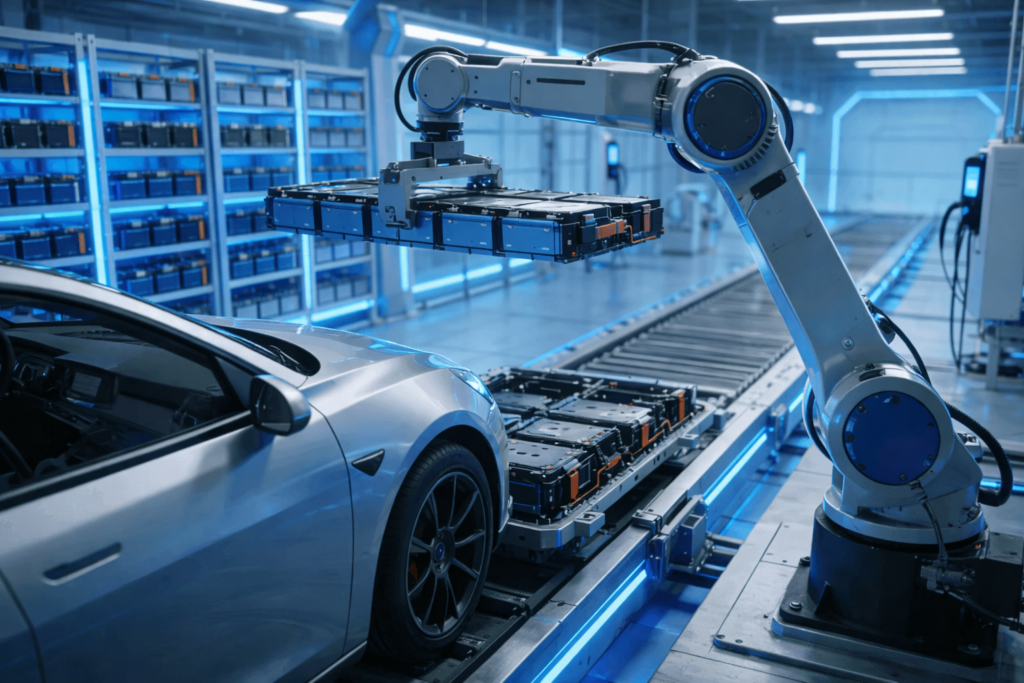
While traditional charging remains dominant, battery swapping stations are emerging as a complementary solution for rapid turnaround, especially in commercial fleets. These can swap a depleted battery for a fully charged one in minutes.
Challenges to Overcome
Even with rapid technological progress, challenges remain:
Grid integration limits — managing the energy demand from EVs without overloading local grids.
Cost and installation complexity — high initial costs for fast chargers and wireless systems.
Standardization gaps — continued need for universal protocols and plug compatibility.
Conclusion — What’s Next for Future EV Charging Technology
The future of EV charging technology lies at the intersection of speed, convenience, and intelligence. From ultra-fast chargers and wireless solutions to smart connected networks and V2G capabilities, the next wave of innovations will redefine how electric vehicles integrate with infrastructure and energy systems. Stakeholders — from automakers to utilities and governments — are working together to build a robust, scalable, and user-friendly EV charging ecosystem that supports global electrification goals.
Subscribe the newsletter to get updated to news and promotions
Cookies give you a personalized experience,Сookie files help us to enhance your experience using our website, simplify navigation, keep our website safe and assist in our marketing efforts. By clicking "Accept", you agree to the storing of cookies on your device for these purposes. Click "Adjust" to adjust your cookie preferences.For more information, review our Cookie Policy