China’s EV Charger Export Boom: What It Means for Global Distributors Right Now
Home / Blog / Industry News / China’s EV Charger Export Boom: What It Means for Global Distributors Right Now
15 Oct, 2026
ASEAN EV charging infrastructure
EV charger certifications CE UL
EV charger OEM ODM sourcing
China’s EV charger exports are surging because domestic manufacturers have scaled production, certification capability, and engineering talent to a point where sourcing from China is now often the most reliable way to get compliant, cost-effective charging hardware for any region, not just the cheapest. For distributors, the boom means more OEM/ODM options and faster access to multi-standard hardware, but also a wider quality gap that makes vetting a factory partner more important than ever.
Key takeaways
China’s EV exports hit a record $9.2 billion in May 2026, up 49% year-on-year, driven largely by ASEAN demand, and charger exports are tracking that growth in parallel.
Manufacturing scale (facility size, engineering headcount, patent count) is a more reliable sourcing signal than any aggregate export-volume statistic, which shifts quarter to quarter.
Match charger specs to the destination grid and vehicle parc first: AC input voltage, DC power range, and connector standard should be determined by the target market, not manufacturing convenience.
Always request the certification scope document, not just the CE or UL logo, and confirm it covers your exact model, power range, and voltage variant.
Audit the factory, check patent depth and trade-show presence, and lock down after-sales support terms before committing to order volume.
Why China’s EV Charger Exports Are Climbing Right Now
China’s electric vehicle exports hit a record $9.2 billion in May 2026, up 49% year-on-year. That number gets reported as a vehicle story, but it’s a charger story too. Every EV that leaves a Chinese port for a new market needs somewhere to plug in, and that infrastructure build-out happens in parallel, often months before the vehicles even arrive in volume.
ASEAN markets are the clearest example. Thailand, the Philippines, Cambodia, and Lao PDR are growing fastest, pulled along by customs duty cuts, local registration incentives, and in some cases fleet mandates that push commercial operators toward electrification on a deadline. None of that works without charging hardware landing on time and meeting local grid specs.
What this actually means for you
If you’re sourcing chargers, the practical takeaway isn’t the headline number. It’s that more manufacturers are chasing the same export demand, which means more SKU choices and shorter lead times for new models entering your target market. It also means more low-quality entrants rushing products to market without the certification depth to back them up. That’s exactly why vetting a supplier properly matters more now than it did a few years ago, not less.
Container port at dusk symbolizing surging EV and charger export volumes
How Many EV Chargers Does China Actually Produce and Export?
There isn’t a single reliable figure for this that will stay accurate for more than a quarter. Export volumes shift with vehicle demand, policy changes, and how customs data gets classified by product code, so quoting a fixed number here would be misleading by the time you read it. If you need current figures, check trade data directly rather than relying on a blog post’s snapshot.
What matters more for a buyer than an aggregate count is manufacturing maturity: facility size, engineering headcount, and patent depth as proxies for whether a factory can hold quality steady across a large order, not just produce a good sample unit.
What export-ready scale looks like
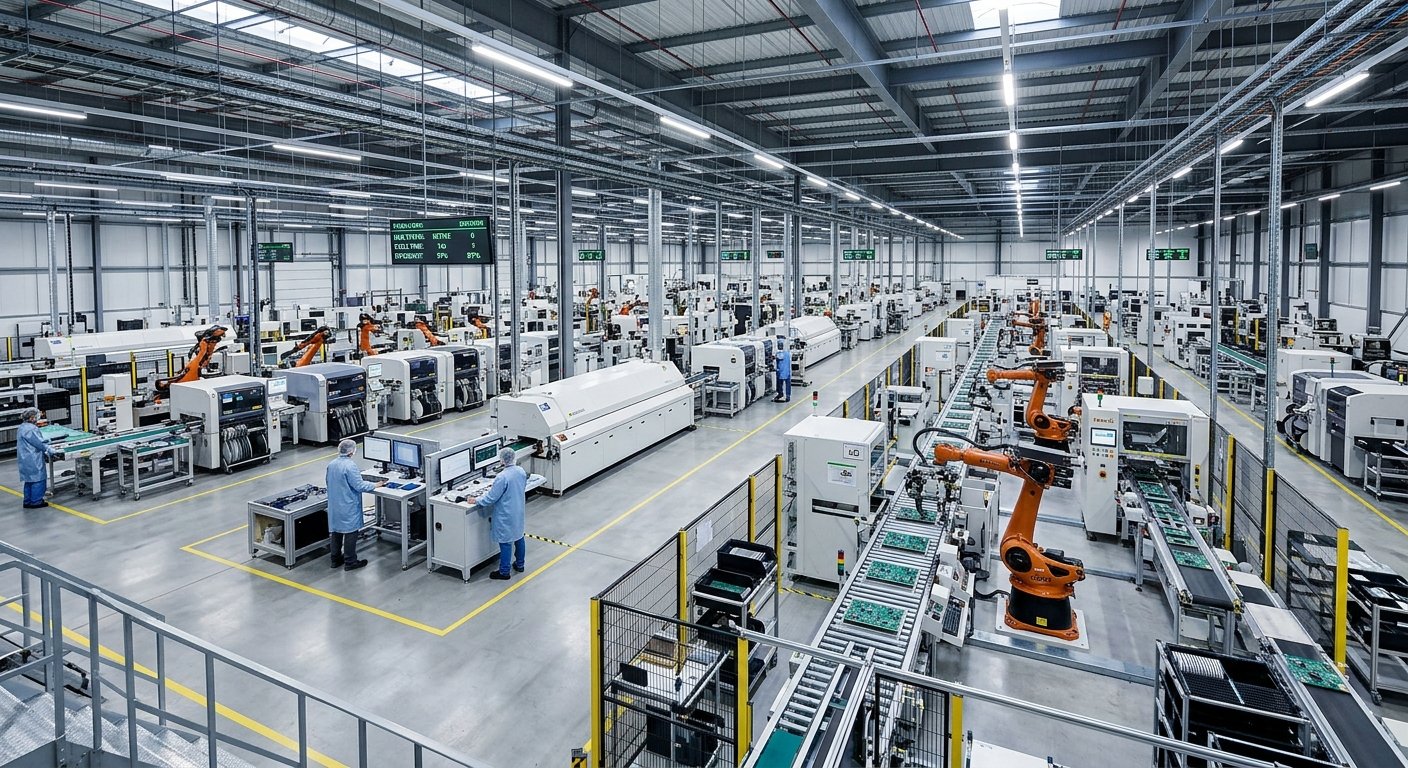
As a reference point, AiPower operates a 20,000 m² automated production base with a team of 60+ engineers and a portfolio of 100+ patents overall, including 70+ specifically in EV charging and battery systems. That combination, physical capacity, in-house engineering, and documented IP, is a better signal of production maturity than any single export-volume statistic. Serving 30+ countries is itself meaningful too: it implies multi-standard tooling, multilingual documentation, and certification experience that a domestic-only manufacturer simply hasn’t had to build.
Automated manufacturing floor producing EV charging equipment
What the Export Boom Changes for Distributors Sourcing Chargers
More factories competing for export orders puts downward pressure on pricing, which sounds like good news until you realize where the savings often come from: thinner certification work, skipped QC steps, or components swapped out between the sample unit and the production run. Pricing pressure without due diligence is how distributors end up eating a warranty claim six months after installation.
Faster release cycles from Chinese OEMs also mean you can’t lock into a single supplier line for years and expect it to stay competitive on specs or price. Re-evaluating your supplier roster annually, not just when something breaks, has become part of the job.
Standards diversification is the real shift
Growing demand from ASEAN and other emerging markets is pushing manufacturers to support multiple voltage inputs and connector types rather than build one hardware line and hope it fits everywhere. A factory already exporting to your target region has usually done the certification and compliance legwork already, which is exactly why lead times can shrink for buyers who choose wisely. For a deeper look at how sourcing structure affects your margins and risk, see our guide on OEM vs. ODM EV chargers for global distributors.
Matching Charger Specs to Your Target Export Market
The single biggest sourcing mistake distributors make is choosing a charger based on what’s cheapest to manufacture rather than what the destination grid and vehicle parc actually require. Specs that work fine in one region can be the wrong fit entirely in another.
AC chargers
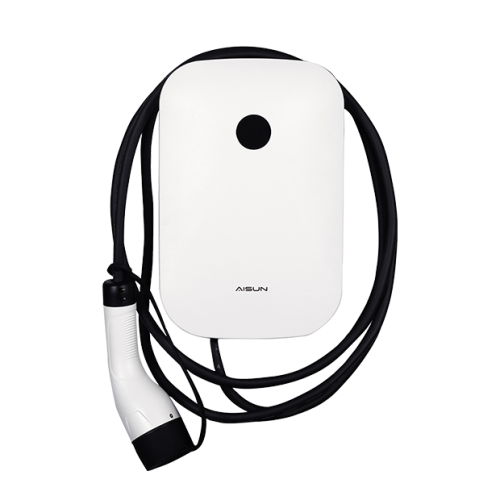
For EU and most ASEAN markets, AC chargers need to support 230V single-phase or 400V three-phase input, typically across 7kW, 11kW, and 22kW tiers. Get the input voltage wrong and the unit either underperforms or won’t pass local inspection at all.
DC fast chargers
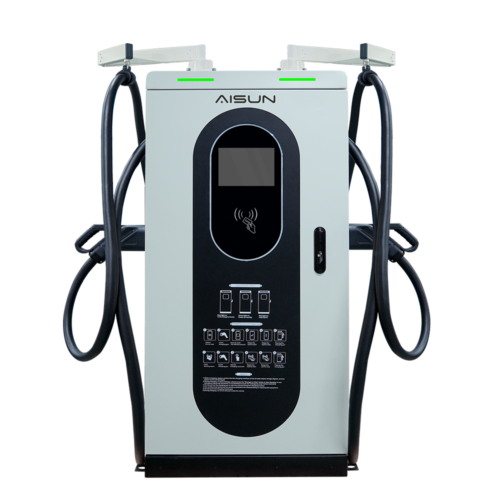
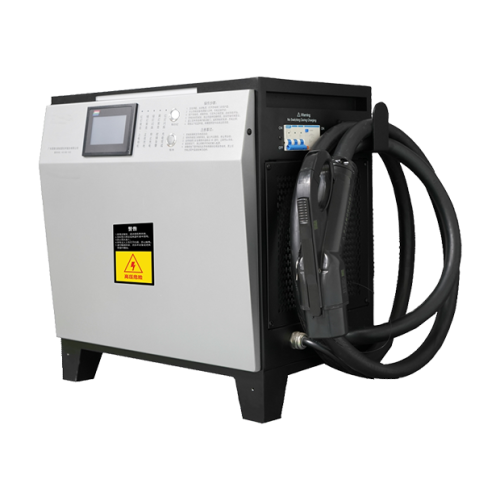
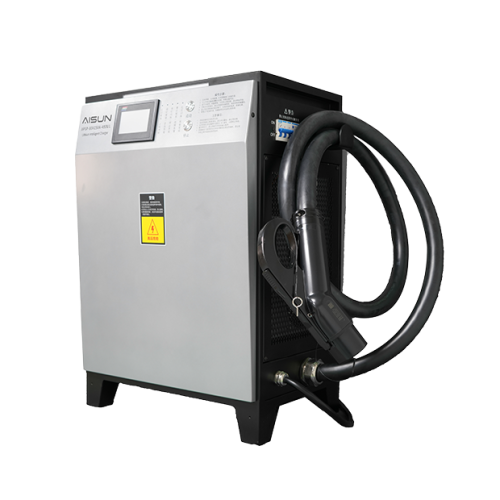
DC chargers scale from 30kW up to 480kW depending on whether you’re serving a fleet depot or a public charging corridor, and the input needs to match local 380V three-phase conditions (±15% tolerance) rather than assume a single global standard.
Connector standards
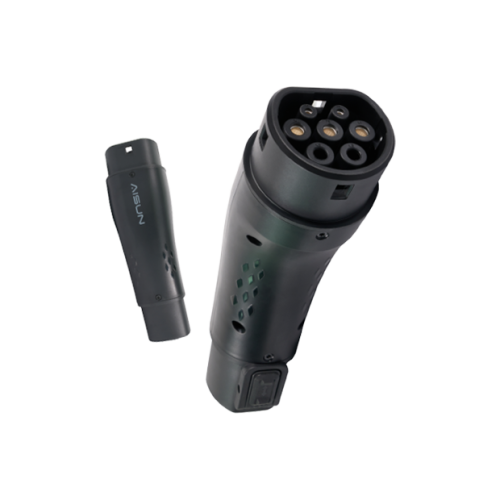
CCS2, GB/T, or NACS: the right choice depends entirely on what vehicles are actually on the road in your target market, not on manufacturing convenience. Getting this wrong means shipping hardware nobody can plug in. Our guide to connector standards for 2026 breaks this down market by market.
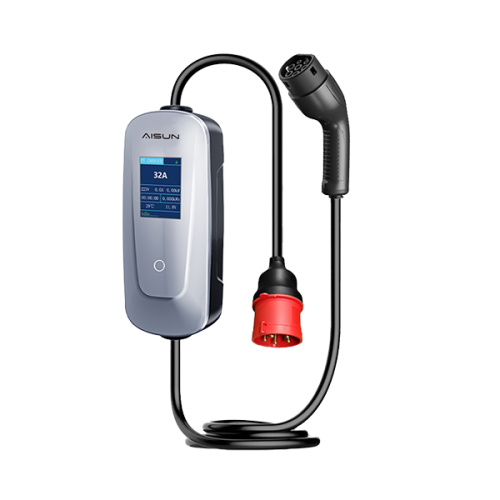
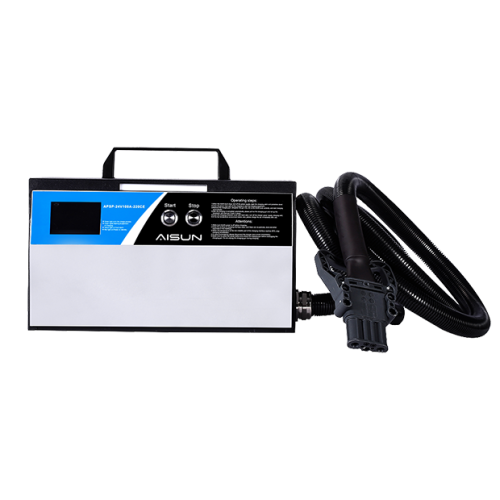
Portable chargers with broad adapter compatibility, such as support for 28 power adapters, reduce SKU proliferation when you’re selling into fragmented markets with mixed outlet standards instead of stocking a dozen near-identical units.
Certifications You Must Verify Before Signing an Export Contract
A certification logo on a datasheet tells you almost nothing on its own. What matters is the scope document behind it.
CE covers EU market entry, UL covers North American safety compliance. Confirm both are issued by an accredited body, such as TUV, and tied to the exact model you’re ordering, not a sister product in the same family.
Request the certification scope document directly and check it actually covers your target power range and voltage variant. A 22kW AC charger certified at 7kW is not the same product on paper.
8-layer protection schemes covering over-current, under-voltage, and similar faults should appear in the datasheet with testable parameters, and ideally be verifiable during a factory audit, not just claimed in marketing copy.
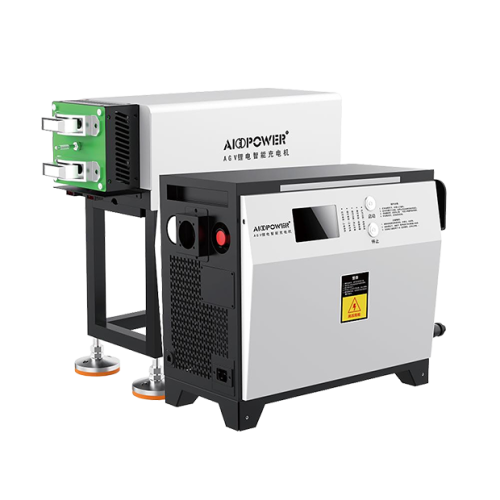
For industrial battery chargers used in forklift or AGV fleets, confirm the specific voltage class, whether that’s 24V, 36V, 48V, 72V, or 80V, carries its own certification rather than relying on a blanket claim across the entire product line.
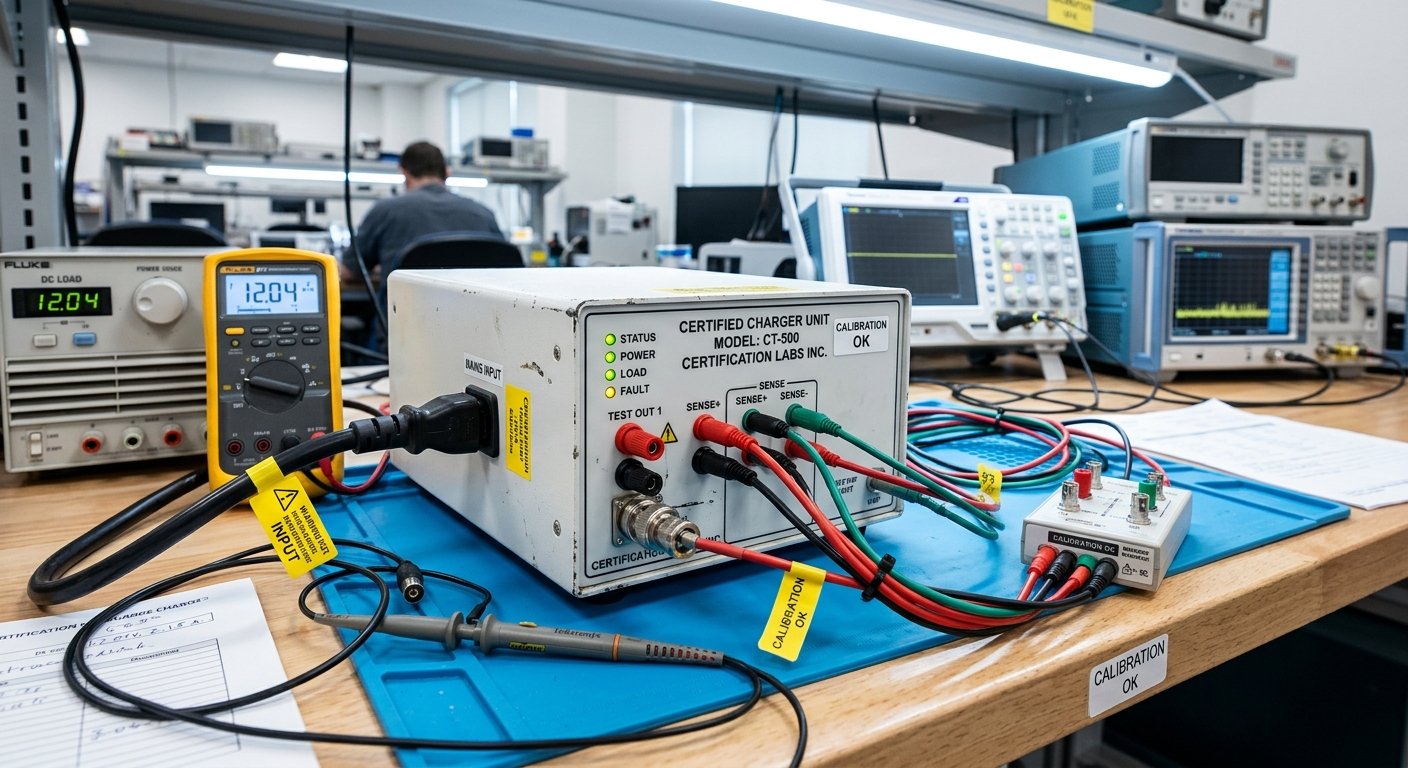
Testing lab verifying EV charger safety certification compliance
Vetting an OEM/ODM Factory Before You Place an Order
The export boom makes it easy to find a supplier and dangerously easy to pick the wrong one. A few checks separate a reliable long-term partner from a one-off gamble.
Request a facility walkthrough or third-party audit report. Square footage and automation level are reasonable proxies for whether QC stays consistent across a 500-unit order versus a 5-unit sample batch.
Ask how many patents the company holds in charging or battery systems specifically, as distinct from its total patent count. AiPower, for example, holds 100+ patents overall, with 70+ of those specifically in EV charging and battery systems. That kind of patent depth often correlates with genuine in-house engineering rather than white-label reselling.
Check trade-show presence as a seriousness signal. A manufacturer exhibiting DC fast chargers, AC chargers, portable units, and forklift battery chargers at an event like Power2Drive Europe 2025 (held May 7-9, 2025 in Munich, with 400 specialized exhibitors among 2,737 companies and over 100,000 visitors) is actively selling into that region, not just assembling for domestic use. The same goes for industrial events like CeMAT South East Asia 2025 in Singapore, where AiPower exhibited in May 2025.
Clarify the after-sales model before signing anything: spare parts availability, firmware update process, and response time commitments for your specific region. A great unit with no support path becomes your problem, not the factory’s.
Where the Export Boom Is Creating Real Demand: Industrial and Fleet Charging
Passenger EV chargers get most of the attention, but warehouse and logistics electrification in ASEAN and Latin America is rising right alongside fleet EV growth, and it’s creating parallel demand that most distributors underserve.
Lithium battery chargers for AGV and AMR fleets are a distinct product category from standard EV chargers entirely. They run different duty cycles and voltage requirements, commonly 48V, 51.2V, 76.8V, or 80V, and need to be matched precisely rather than treated as a smaller version of a car charger. Our guide on AGV and AMR lithium battery chargers covers the technical differences in more depth.
One supplier, two product lines
A logistics hub operator running an EV delivery fleet and a warehouse full of electric forklifts is, in practice, two separate charging customers. Distributors who can source both EV chargers and industrial battery chargers from the same OEM/ODM partner can serve that customer with one relationship instead of two, which simplifies everything from warranty tracking to spare parts logistics. For more on the forklift side specifically, see our piece on how advanced forklift chargers boost warehouse efficiency.
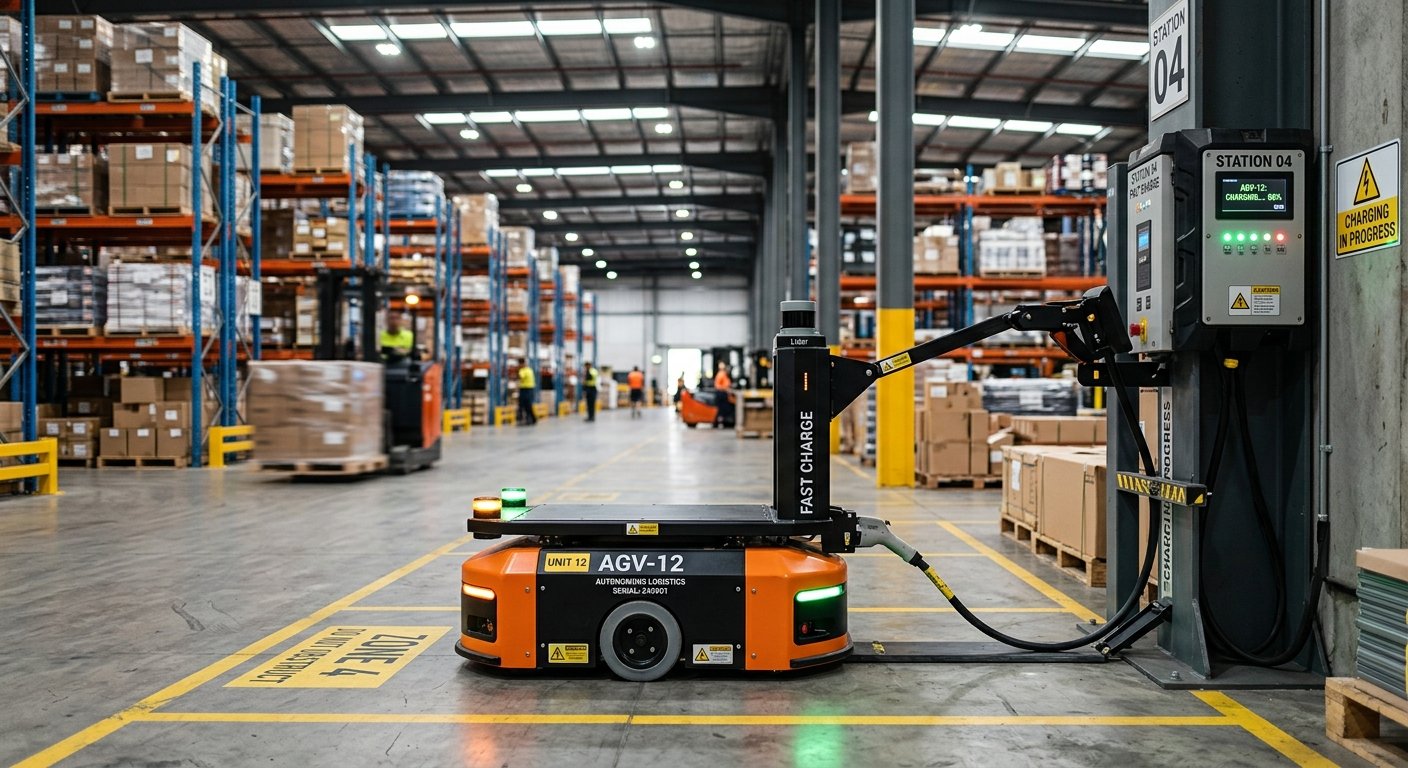
AGV charging station inside a warehouse logistics facility
Sourcing Checklist: What to Do Before Placing Your Next Order
The decision flow isn’t complicated, but skipping a step is exactly how distributors end up with mismatched hardware or an unresponsive supplier.
Confirm your target market’s grid voltage, connector standard, and relevant regulations first. Specs follow the market, not the other way around.
Shortlist OEM/ODM partners with certifications that match your target power range and voltage variant exactly, verified through the scope document, not the datasheet logo.
Audit the factory, or request a third-party audit report, before committing to volume. Patent depth, engineering headcount, and trade-show presence are useful screening signals before you get that far.
Lock down the after-sales terms in writing: spare parts, firmware support, and response times for your region.
A supplier offering a multi-standard catalog, AC and DC chargers in European and Chinese standards, portable units in European, American, and NACS variants for Tesla-compatible charging, plus industrial battery chargers, gives you room to serve several markets without juggling a dozen factory relationships. If you want to compare documentation or factory audit details for your specific target market, evaisun’s team can walk through what’s available for AC, DC, portable, and industrial charging lines.
Frequently asked questions
How many EV chargers are in China?
There’s no single fixed figure that stays accurate for long, since charger counts shift quarterly with new installations and export volumes. For sourcing decisions, manufacturing capacity (facility size, engineering headcount, certification depth) is a more useful indicator than a headline total, which you should check against current trade data if needed.
Can a Chinese EV charge in 5 minutes?
Charging speed depends on the charger’s power output and the vehicle’s battery, not the manufacturing origin. DC fast chargers in the 30kW to 480kW range can significantly cut charging time for compatible vehicles, but a true 5-minute full charge isn’t realistic with current battery chemistry regardless of charger power.
What certifications should I check before importing EV chargers from China?
Verify CE for EU markets and UL for North America, issued by an accredited body like TUV and tied to your exact model and power range. Also request documentation for internal protection schemes (over-current, under-voltage) and, for industrial chargers, certification matching the specific voltage class you’re ordering.
Subscribe the newsletter to get updated to news and promotions
Cookies give you a personalized experience,Сookie files help us to enhance your experience using our website, simplify navigation, keep our website safe and assist in our marketing efforts. By clicking "Accept", you agree to the storing of cookies on your device for these purposes. Click "Adjust" to adjust your cookie preferences.For more information, review our Cookie Policy