AC vs. DC EV Chargers: Which One Should You Stock for Maximum ROI?
Home / Blog / Guidelines / AC vs. DC EV Chargers: Which One Should You Stock for Maximum ROI?
25 Jun, 2026
AC charger wholesale
DC fast charger ROI
EV charger distributor guide
EV charging station investment
Level 2 vs DC fast charging
For most distributors, the highest ROI comes from stocking AC Level 2 chargers as your volume backbone while carrying a curated DC fast charger lineup for high-value project deals. AC units move faster, cost less to inventory, and serve the widest buyer base — but a single DC fast charger sale can match the profit of 30 AC units. The real question isn't which technology is “better” — it's how to balance your portfolio so cash flow stays healthy while you capture the big-ticket opportunities that DC chargers unlock.
The Fundamental Difference: What AC and DC Chargers Actually Do
Every EV battery stores energy as DC (direct current). The difference between an AC and DC charger is simply where the AC-to-DC conversion happens — and that one architectural choice changes everything about cost, speed, size, and who buys it.
AC Chargers: The Onboard Converter Does the Work
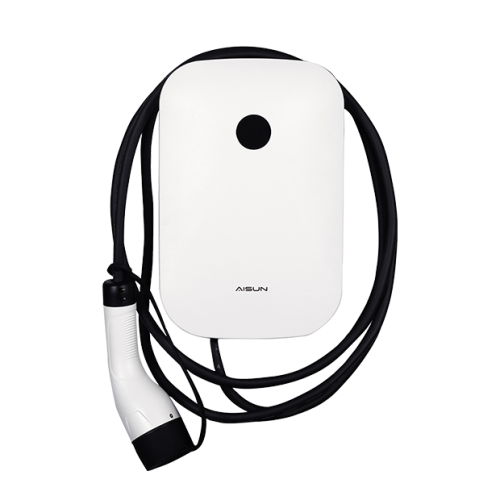
An AC charger delivers alternating current to the vehicle, and the car's built-in onboard charger (OBC) converts it to DC. Most OBCs top out at 7 kW to 11 kW, with some newer EVs handling 22 kW. That means even if you install a 22 kW AC unit, a vehicle with a 7 kW OBC will only charge at 7 kW. The charger itself is relatively simple — essentially a smart switch with safety controls, metering, and communication protocols. That simplicity keeps manufacturing costs low and reliability high.
DC Chargers: The Heavy Lifting Happens in the Box
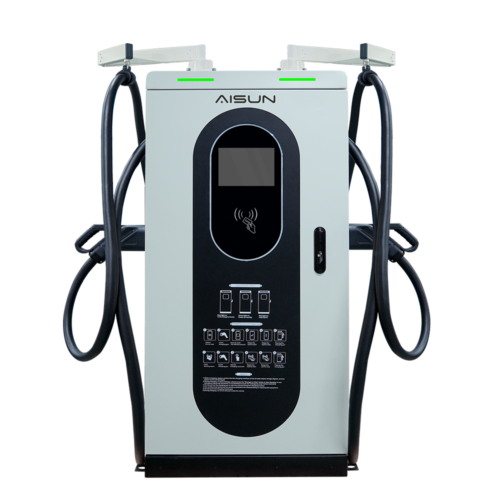
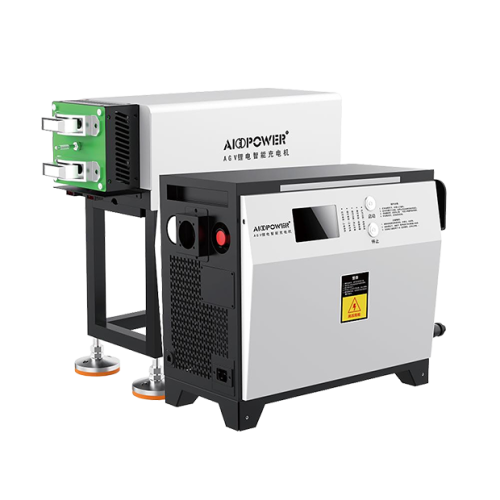
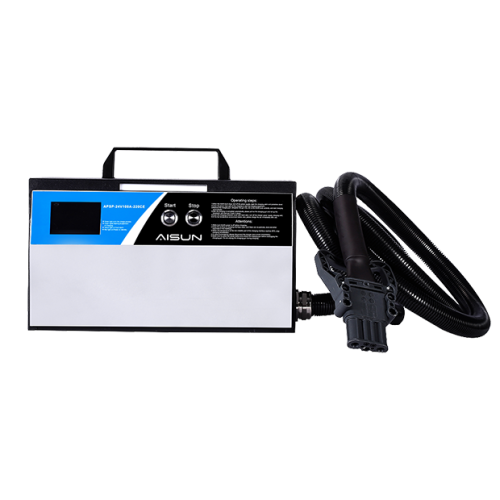
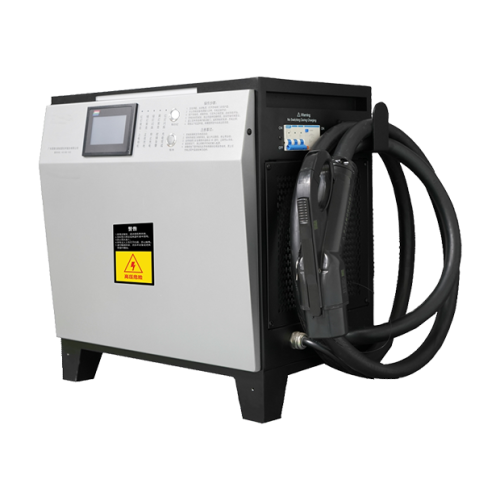
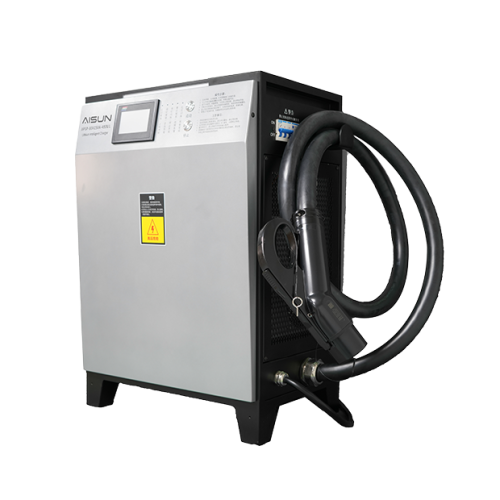
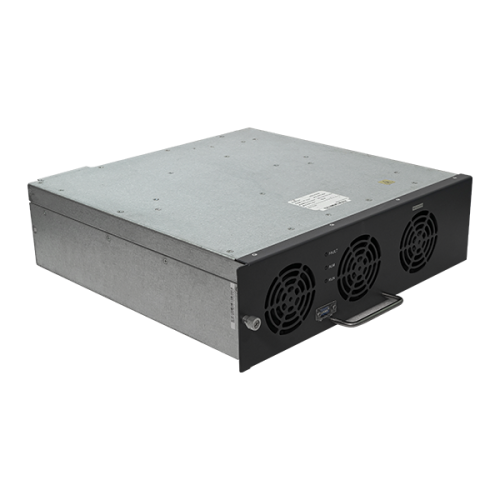
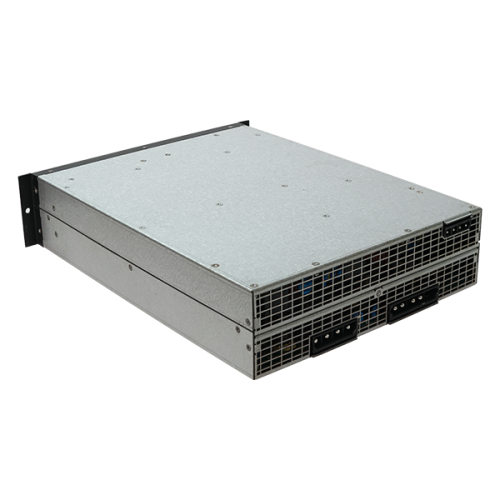
A DC fast charger bypasses the onboard charger entirely, pushing converted DC power straight into the battery. This requires power electronics modules, active cooling systems, and sophisticated communication with the vehicle's battery management system. The result? Charging speeds from 30 kW to 360 kW and beyond — but also units that weigh hundreds of kilograms and cost 10 to 50 times more than an AC charger. For a deeper look at how these systems communicate, see our guide on how EV chargers work.
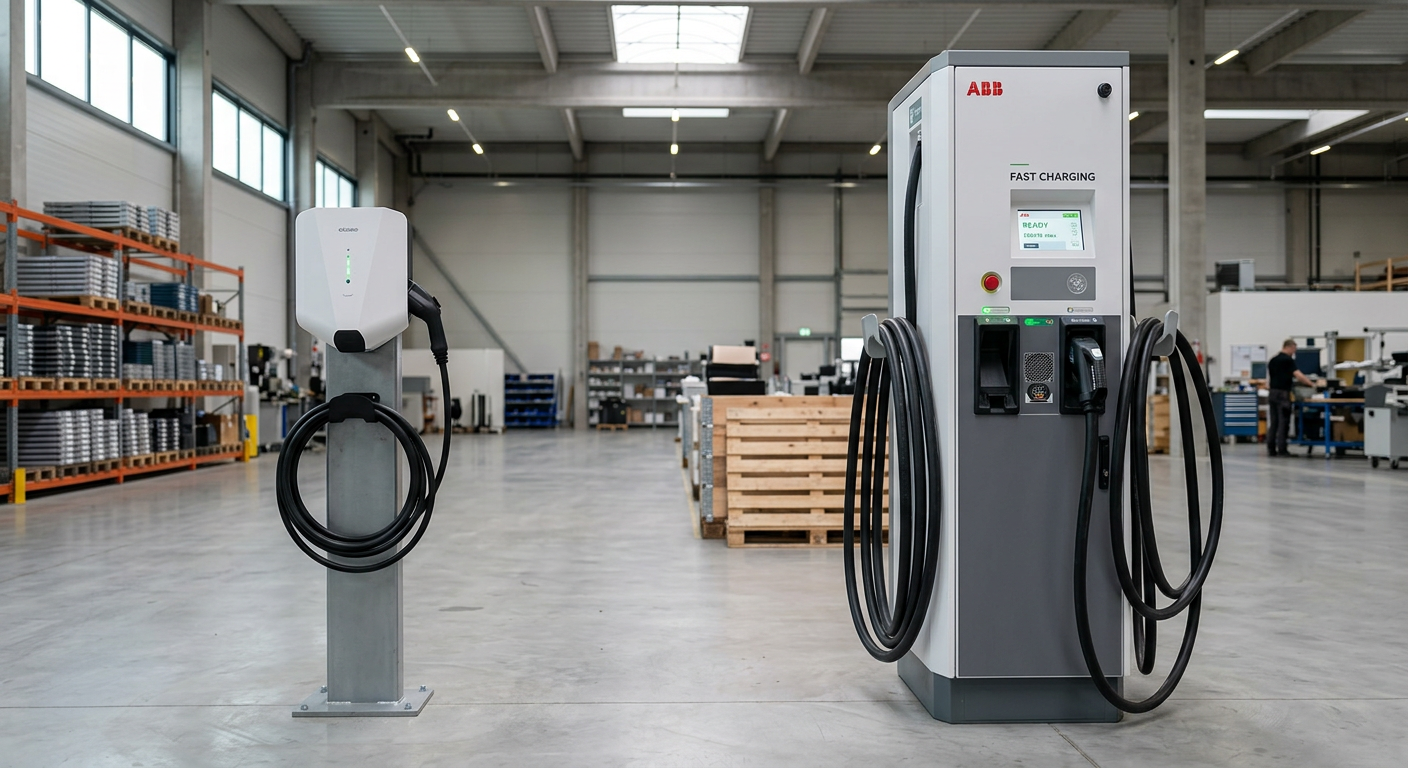
Side-by-side comparison of AC wall-mounted EV charger and DC fast charging station
Unit Economics: Where the Money Actually Lives
Here's a number that surprises most new distributors: the gross margin percentage on AC chargers is typically higher than on DC units. But the absolute dollar margin per DC sale dwarfs AC. Understanding this tension is the key to smart inventory planning.
AC Charger Economics
A quality 7 kW AC charger sourced via OEM costs roughly $200–$400. Sell it to a property management company at $500–$800, and you're looking at 35%–45% gross margin. A 22 kW three-phase unit might cost $500–$800 at OEM and sell for $1,200–$2,000, yielding similar percentages. The beauty is volume: a single apartment complex might need 50–200 units. Your capital outlay per unit is low, turnover is fast, and you can stock hundreds without tying up serious warehouse space.
DC Charger Economics
A 60 kW DC charger might cost $8,000–$12,000 at OEM and sell for $15,000–$22,000 — a 25%–30% margin on paper. But each unit ties up significant working capital. A 120 kW or 180 kW unit pushes into $20,000–$40,000 territory. You're not stocking 50 of these speculatively. DC sales are project-driven: a fuel station chain rolling out 20 chargers, a fleet depot electrifying overnight operations, a highway rest stop operator. These deals take months to close, but one purchase order can be worth more than a quarter of AC sales.
Criteria
AC Chargers (Level 2)
DC Fast Chargers
Unit Cost (OEM)
$200–$800
$5,000–$40,000+
Typical Power Range
7 kW–22 kW
30 kW–360 kW
Gross Margin (Distributor)
25%–40%
15%–30%
Installation Complexity
Low — single-phase or three-phase
High — transformer, cooling, permits
Sales Volume Potential
High — broad buyer base
Lower — specialized buyers
Average Deal Size
$500–$2,000
$10,000–$60,000
Primary Buyer Segments
Property managers, small fleets, residential
Highway operators, fleet depots, public networks
After-Sales Revenue
Minimal
Service contracts, spare parts
EV charger inventory stacked in a distributor warehouse
Who's Buying What: Mapping Charger Type to Customer Segments
Stocking the right mix starts with knowing your local market. Not every region has the same demand profile, and the customer walking through your door (or clicking your website) dictates what you need on the shelf.
AC Charger Buyers
Property developers and managers: Residential complexes, office buildings, and hotels need dozens of AC units per project. These are your highest-volume, most repeatable accounts.
Small business owners: Restaurants, retail shops, and co-working spaces adding 1–4 chargers as an amenity. Low decision complexity, quick sales cycle.
Universities and campuses: Institutions rolling out campus-wide EV charging typically start with AC infrastructure because of budget constraints and overnight parking patterns.
Light-duty fleet operators: Companies with 10–30 EVs that charge overnight at a depot. AC is more than fast enough when vehicles sit for 8–12 hours.
DC Charger Buyers
Charging network operators (CPOs): Companies building public fast-charging corridors. They buy in bulk but negotiate hard on price.
Fuel station chains: Transitioning to EV, they need the fastest possible throughput to match the gas-station experience.
Heavy-duty fleet depots: Electric bus and truck operators who need to push significant energy in tight turnaround windows.
Highway and municipal authorities: Government-funded infrastructure projects with specific power requirements.
For instance, a regional distributor in Southeast Asia we work with started by stocking only 7 kW AC chargers for the residential boom. Within 18 months, their property developer clients began asking about DC options for visitor parking areas. Because the distributor had already built trust with AC sales, they became the natural partner for DC upgrades — without needing to prospect from scratch.
The Installation Factor: Why It Shapes Your Sales Strategy
Most distributors underestimate how much installation complexity affects their sales pipeline. An AC charger is essentially plug-and-play for any licensed electrician. A DC fast charger is a civil engineering project.
A 7 kW AC unit runs on a standard single-phase supply. A 22 kW unit needs three-phase power, which most commercial buildings already have. Total installation cost? Typically $200–$600 per unit. Your customer's decision timeline: days to weeks.
A 60 kW DC charger needs dedicated electrical capacity, potentially a transformer upgrade, concrete pad work, and cable trenching. Installation can run $5,000–$15,000 on top of the hardware cost. A 150 kW+ unit? Expect $10,000–$30,000 in site preparation. Your customer's decision timeline: months, sometimes a full year with permitting.
What This Means for Your Business
AC chargers generate quick, repeatable revenue. You can close deals fast and invoice within weeks. DC chargers require you to either partner with installation contractors or build that capability in-house — but the bundled hardware-plus-installation package dramatically increases your total deal value and locks out competitors who only sell boxes. If you're exploring the differences between super charging and fast charging methods, understanding installation requirements is half the battle.
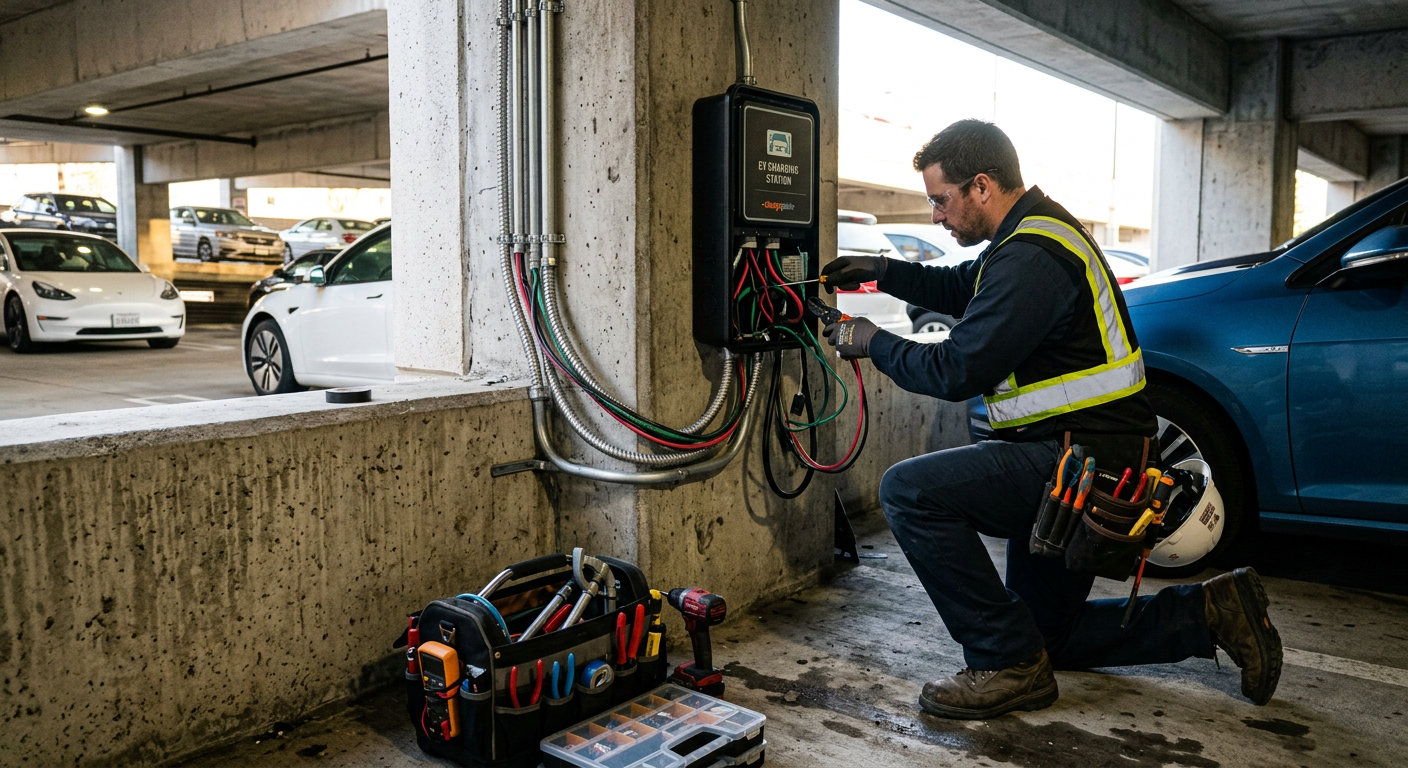
Electrician installing an AC EV charger on a parking garage wall
Inventory Strategy: The 70/30 Rule for New Distributors
If you're entering the EV charger distribution market or expanding your catalog, here's a practical starting framework: allocate roughly 70% of your inventory budget to AC chargers and 30% to DC.
Why 70% AC?
AC chargers are your cash flow engine. They move fast, require minimal pre-sales engineering, and serve the largest addressable market. You can stock a range — 7 kW single-phase for residential, 11 kW and 22 kW for commercial — without enormous capital risk. If a model doesn't sell in one segment, it often fits another. The carrying cost is low, and obsolescence risk is minimal because AC charging technology evolves slowly.
Why 30% DC?
DC chargers are your profit accelerator. You don't need to stock dozens — even 2–5 demo or quick-ship units at strategic power levels (60 kW and 120 kW are the sweet spots in 2026) position you for project bids. Many DC deals are made-to-order anyway, with 8–12 week lead times from the manufacturer. Your role is to have the technical knowledge, a demo unit for site visits, and a reliable OEM partner who can deliver on schedule.
Real-World Example
A European wholesaler we supply started with exactly this split. Their AC portfolio — primarily 7 kW and 22 kW wall-box units — generated consistent monthly revenue from electricians and small contractors. Meanwhile, they kept two 60 kW DC units as demo stock. Within the first year, those demos helped close three fleet depot projects worth over €400,000 combined. The AC sales kept the lights on; the DC projects funded expansion into a second warehouse.
Power Levels That Actually Sell in 2026
Not all power levels are created equal. Some are hot sellers; others sit in warehouses. Here's what's moving right now.
AC: The Winners
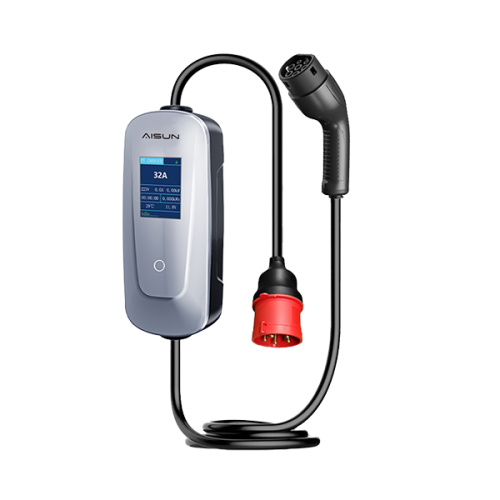
7 kW (32A single-phase): Still the global workhorse for residential and light commercial. If you stock one AC SKU, make it this one.
22 kW (32A three-phase): The go-to for commercial parking, fleet overnight charging, and destination charging. Increasingly popular in Europe and Asia-Pacific markets where three-phase power is standard.
11 kW (16A three-phase): A solid mid-range option, especially where electrical capacity is limited. Good for older commercial buildings.
For a detailed breakdown of amperage and power levels, our Level 2 EV charger amperage guide covers the full range from 7 kW to 22 kW.
DC: The Winners
60 kW: The entry point for public and semi-public fast charging. Affordable enough for small operators, fast enough to add meaningful range in 20–30 minutes. This is the volume leader in DC.
120 kW: The sweet spot for fleet depots, urban fast-charging hubs, and fuel station conversions. Balances speed with infrastructure cost.
180–240 kW: Growing fast for highway corridors and premium charging networks. Higher margin per unit but smaller buyer pool.
360 kW+: Still niche. Reserved for flagship highway stations and heavy-duty commercial vehicles. Don't stock these unless you have confirmed project demand.
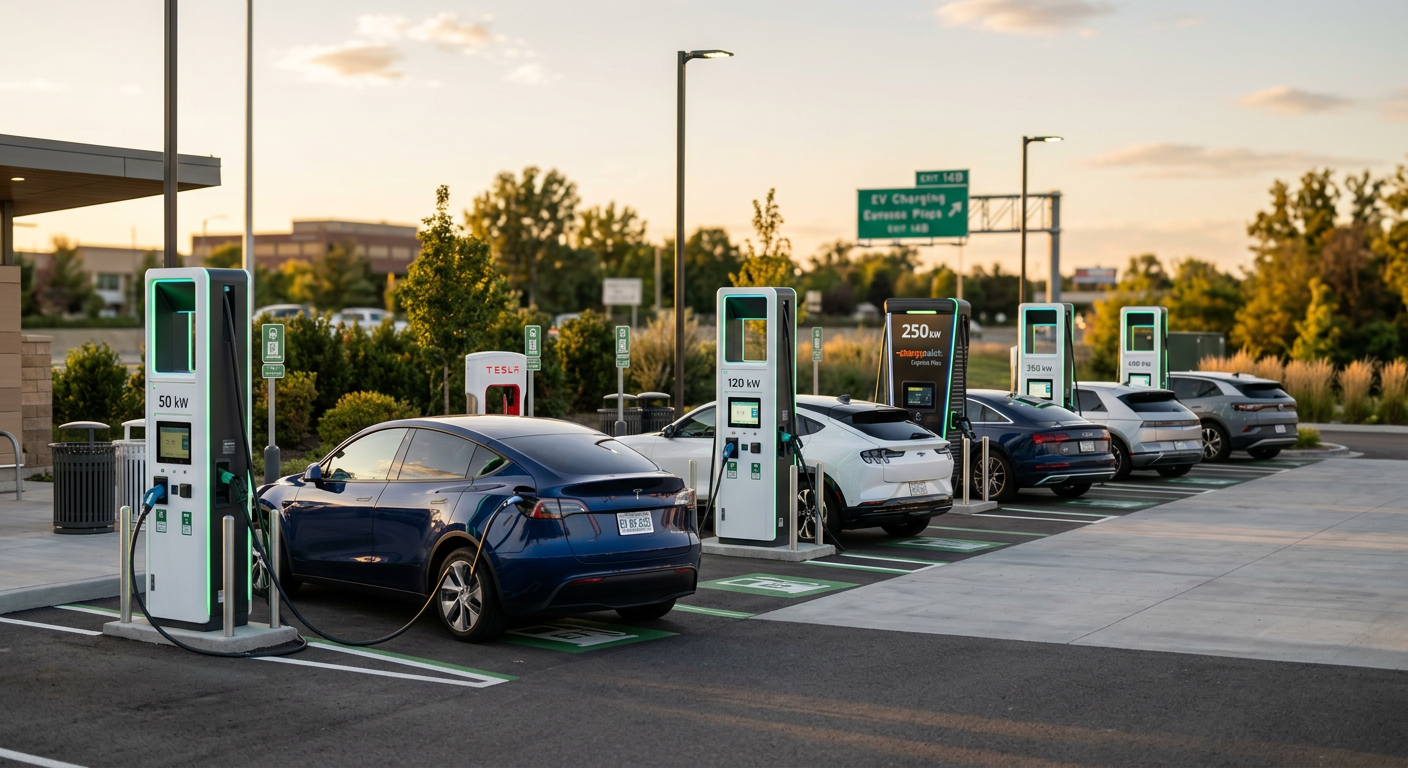
Row of DC fast chargers at different power levels in an outdoor charging plaza
Connector Standards: Don't Get Caught With the Wrong Plug
Stocking the wrong connector type is one of the most expensive mistakes a new distributor can make. Unlike power levels, which have some cross-market flexibility, connectors are regionally locked — and getting it wrong means dead inventory.
AC Connectors
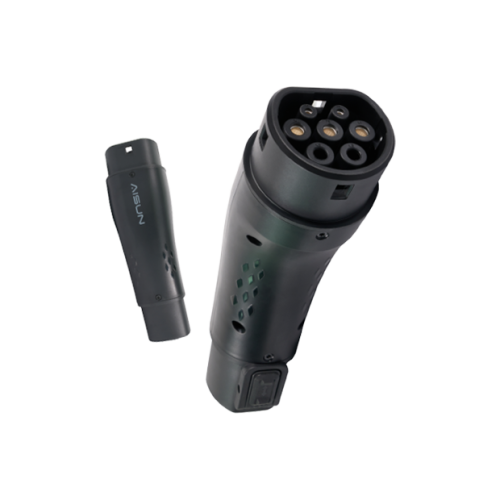
Type 2 (IEC 62196): Standard across Europe, Middle East, Asia-Pacific, and most of Africa. If you sell outside North America, this is your default.
Type 1 (SAE J1772): North America and Japan. Declining in relevance as the market shifts, but still necessary for legacy vehicles.
DC Connectors
CCS2 (Combined Charging System): Dominant in Europe, increasingly adopted globally. The safe bet for most international distributors.
CCS1: North American standard. Required for US and Canadian markets.
CHAdeMO: Fading outside Japan. Some legacy Nissan and Mitsubishi vehicles still use it, but new EV models have largely abandoned it.
GB/T: Mandatory for mainland China. If you're selling into China, this is non-negotiable.
Our business guide to Type 1 vs Type 2 selection dives deeper into regional connector strategy. The short version: know your market before you place a manufacturing order. A dual-connector DC charger (CCS2 + CHAdeMO, for example) costs more per unit but dramatically reduces the risk of unsold stock in transitional markets.
After-Sales Revenue: The Hidden ROI Advantage of DC
Here's something most ROI calculations miss: DC chargers generate recurring after-sales revenue that AC chargers simply don't.
An AC wall-box, once installed, basically runs until it doesn't. There's minimal maintenance — maybe a firmware update once a year. Warranty claims are rare. That's great for the end user but means zero ongoing revenue for you as the distributor.
DC fast chargers are different. They have active cooling systems that need servicing. Power modules degrade and need replacement every 5–8 years. Contactors, fuses, and communication boards are all serviceable components. A well-structured service contract on a 120 kW charger can generate $1,500–$3,000 per year in recurring revenue — per unit. Multiply that across a 20-charger fleet depot, and you're looking at $30,000–$60,000 annually in service income alone.
Building a Service Business
Smart distributors don't just sell DC chargers — they sell maintenance packages alongside them. Stock critical spare parts (power modules, cooling fans, contactors), train a small technical team, and offer 24/7 response SLAs. This creates customer lock-in, recurring revenue, and a competitive moat that box-only resellers can't match.
OEM vs. Off-the-Shelf: Why Your Manufacturing Partner Matters
Whether you stock AC, DC, or both, the manufacturer behind your products determines your margin, your warranty exposure, and ultimately your reputation. Not all OEMs are equal, and the cheapest quote is rarely the best deal.
What to Evaluate in an OEM Partner
Certification portfolio: Does the manufacturer hold CE, UL, TÜV, or other certifications relevant to your target market? Importing uncertified chargers is a fast path to customs seizures and liability issues.
ODM flexibility: Can they customize firmware, branding, connector configurations, and communication protocols (OCPP 1.6J / 2.0.1) to your specifications? A rigid product line limits your ability to differentiate.
Production capacity and lead times: A great product means nothing if lead times stretch to 16 weeks during peak season. Ask for realistic timelines — and verify them with existing customers if possible.
Technical support depth: When a charger fails in the field, you need engineering-level support from the factory, not a generic FAQ. Evaluate response times and escalation paths before signing.
This is where working with an experienced manufacturer makes a measurable difference. A partner who understands both AC and DC product lines can help you build a coherent portfolio rather than a random collection of SKUs.
Build Your Charger Portfolio With Confidence
The AC vs. DC decision isn't binary — it's a portfolio strategy. AC chargers deliver volume, cash flow, and market breadth. DC chargers deliver deal size, after-sales revenue, and strategic positioning. The distributors winning in 2026 are the ones who treat their inventory like a fund manager treats an investment portfolio: diversified, data-driven, and matched to the market they actually serve.
Start with AC as your foundation. Layer in DC at the power levels your regional market demands. Partner with a manufacturer who can supply both, customize to your specs, and support you technically when things get complicated in the field.
At evaisun, we manufacture both AC and DC EV chargers with full OEM and ODM capabilities — from 7 kW wall-boxes to 360 kW DC fast chargers. If you're building or expanding your distribution portfolio, our engineering team can help you spec the right product mix for your market. Reach out through evaisun.com to start the conversation.
Subscribe the newsletter to get updated to news and promotions
Cookies give you a personalized experience,Сookie files help us to enhance your experience using our website, simplify navigation, keep our website safe and assist in our marketing efforts. By clicking "Accept", you agree to the storing of cookies on your device for these purposes. Click "Adjust" to adjust your cookie preferences.For more information, review our Cookie Policy