Battery Swapping vs. Depot Charging for Fleets: Where Each Model Actually Wins
Home / Blog / Industry News / Battery Swapping vs. Depot Charging for Fleets: Where Each Model Actually Wins
19 Nov, 2026
battery swap station throughput
battery swapping vs depot charging cost
EV fleet depot charging
is battery swapping better than charging
For most fleets, depot charging wins. If a vehicle sits unused longer than it takes to recharge it, a charger and a service connection cost less than a spare pack per vehicle, and the battery inside that vehicle is already bought and paid for. Battery swapping earns its capital only where three things hold at once: the dwell window is genuinely shorter than the charge time, one pack standard already covers the whole fleet, and every vehicle comes back to the same site.
Key takeaways
The deciding number is departure minus return minus every non-charging task, measured per vehicle class. Fleets sized on average daily distance end up with chargers that cannot serve the tail.
Swapping does not reduce energy or cycling. It concentrates both into a smaller pool of packs that see more full cycles, more high-rate charging and more physical handling.
A swap station still needs grid capacity. It flattens the load curve, so compare cost per kW of peak avoided by spare packs against cost per kW avoided by a battery-buffered charger.
Instrument twenty to thirty vehicles for four weeks, log return and departure times plus energy per shift, and rebuild the model on that data before ordering packs.
Start With the Dwell Window, Not the Swap Time
The deciding number here is not swap time. It is the dwell window: departure time minus return time, minus every task that is not charging. Yard moves, washdown, loading and unloading, driver handover, mandated rest, inspection. Whatever survives that subtraction is the time a charger actually has. If that slice is longer than a full charge takes, a plug and a service connection beat a spare pack per vehicle, and no amount of station speed changes the answer.
Why average daily distance is the wrong input
Fleet averages hide the vehicles that set your bill. A depot where most vans cover a modest distance still has a tail running two or three times the average: the relief vehicle, the long route, the one that carries the awkward customer at the end of the day. That tail fixes the charger power you need and the pack count you need, because those vehicles arrive late and leave early. Size the site on the worst three vehicles, then check how many others share that pattern.
Three dwell classes, three different answers
Sort the fleet before you compare hardware. Overnight vehicles are parked longer than a full charge takes. Partial-dwell vehicles get hours at the yard, enough for a top-up but not a full pack. Opportunistic vehicles are back at base for under an hour with high daily energy. Only the third class is a real swap candidate, and in most depots it is a minority of the fleet.
Dwell class
Net window
Plug power per vehicle
Does a top-up cover the next shift?
Can spare packs pay for themselves?
Overnight
Longer than a full charge
Low, often AC
Yes, full pack available
No
Partial
A few hours
Medium DC
Sometimes, depends on shift energy
Only if the shortfall recurs every day
Opportunistic
Under an hour
Very high, or physically impossible
No
Yes, if one pack standard holds
The window is not a constant
Peak season adds trips and moves loading later. Winter slows everything that happens outdoors. A vehicle returning forty minutes late cascades into a later washdown and a later plug-in, which is exactly the kind of chronic slippage that turns a comfortable overnight window into a marginal one. Measure the window per vehicle class across four consecutive weeks, worst week included, before you size anything with it.
Empty transit bus garage at night with painted bay lines and overhead lighting
Run Your Own Fleet Through Both Models: The Readiness Arithmetic
Here is the calculation, worked once on a hypothetical fleet. Swap in your own numbers, because the method is the deliverable and the example is not. Take 40 electric vans on a single daily shift, returning at 19:00 and departing at 06:00, with a two-hour loading and washdown block before they can be plugged in.
Energy per vehicle per shift. Pull it from telematics rather than from a brochure consumption figure, then add an auxiliary allowance for cabin HVAC and refrigeration that grows at both ends of the year. That allowance is the difference between a model that works in April and one that strands vehicles in January.
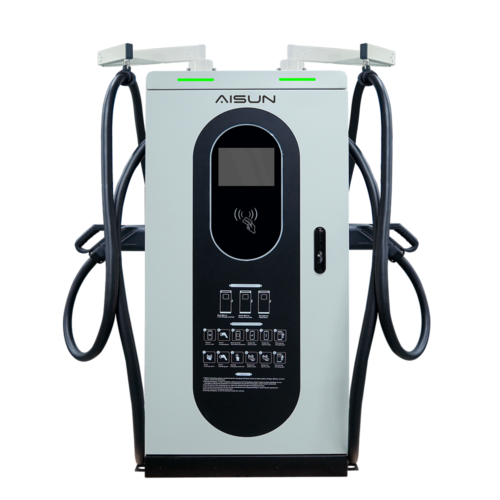
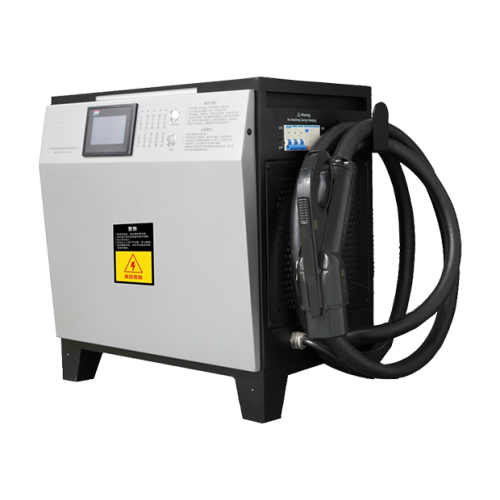
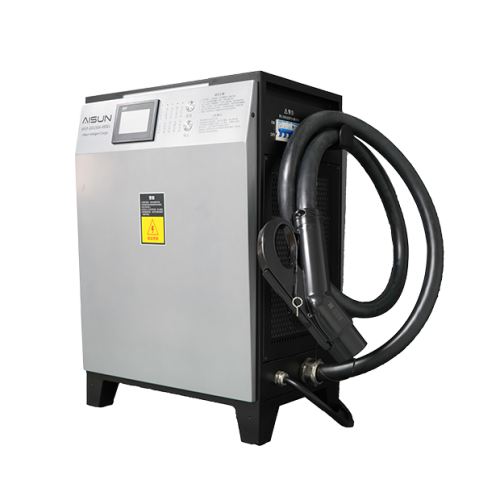
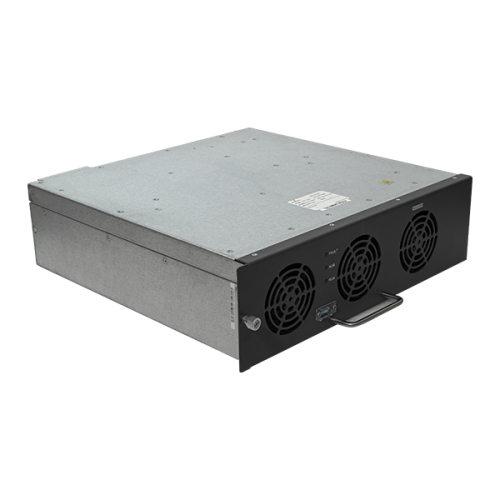
Depot path. Required plug power per vehicle equals shift energy divided by usable dwell, divided again by charging efficiency. Usable dwell in the example above is nine hours, not eleven. Then remember that a charger does not hold nameplate kW across the whole session: the partial-load behaviour of the DC stage, not the headline rating, decides whether the window actually closes. A modular DC architecture helps here, and it is the reason a DC EV Charger European Standard variant is offered with a 30kW Power Module, so a site can be specified to the duty cycle rather than to the marketing number.
Swap path. Packs on site equals vehicles multiplied by one plus the spare ratio. The spare ratio is pack turnaround time, covering queue, exchange, handling and recharge, divided by the interval between that vehicle’s swaps. On a single-shift fleet the turnaround hides inside idle hours and the ratio stays small. Move to two or three shifts a day and the ratio climbs sharply, because there are no idle hours left to absorb it.
Cycles per pack per day. Total vehicle-shifts divided by packs on site. Fewer cycles per pack looks healthy on a spec sheet, but the energy throughput across the fleet is identical either way. Swapping does not reduce cycling. It concentrates it into a smaller pool of packs.
Throughput at shift change. Swap capacity is a queueing problem, not a rate. Exchange time multiplied by the number of vehicles arriving in the same twenty-minute window, plus travel, plus checks. Depot chargers scale linearly with plugs. A swap station scales in discrete and expensive increments.
Sensitivity. Hold the fleet constant and vary dwell and daily distance. Somewhere in that sweep is the break-even dwell at which pack capital overtakes charger capital, and that single number is what you take to the investment committee.
Is Battery Swapping Better Than Charging? Follow the Cost per Delivered kWh
Swapping usually wins on stop time and loses on cost per delivered kWh, and buyers who conflate the two end up owning the wrong asset. Build both stacks on the same energy throughput and the comparison becomes ordinary engineering economics rather than a technology argument.
Cost line
Depot charging path
Battery swapping path
Battery capital
Already inside the vehicle
Pack price divided by lifetime kWh throughput
Fixed equipment
Charger capex plus service upgrade
Station capex, automation and pack store, amortised
Energy
Metered energy at the tariff rate
Same energy, plus handling losses and store cooling
Labour
Plug in, walk away
Staffed exchange or maintenance of automation
Space
Existing bays and a service corridor
Building, queue lane and pack store
Demand charges
Peak around shift change
Flatter profile, higher total kWh
Pack capital does not disappear because you bought the vehicles. Battery cost sits in the swap stack as a number that has to be recovered over a finite cycle budget: pack price divided by cycles multiplied by usable kWh, adjusted for round-trip efficiency. Every kWh you deliver through that pack carries a share of it.
Who owns the packs decides who owns the problem
If the operator owns the spare packs, swapping converts a charging problem into a fleet capital problem, with packs depreciating on the balance sheet. If a third party owns them, the operator pays a margin on every kWh and has handed away control of its energy price. Neither is wrong. Both should be a deliberate choice, signed, before the first pack arrives.
The trade as consequences, not adjectives
Faster turnaround, bought with more capital sitting in packs. A lower site peak, paid for with more total energy through the site because of double handling and pack-store HVAC. Less parking consumed, at the price of a building that must exist. Those are the same three points that appear in every pros and cons list, stated in the form a finance team can actually price.
One contract question outranks the rest. Packs on exchange duty see more full cycles, more high-rate charging and more physical handling than a vehicle-mounted pack ever would, so warranty terms drafted for a pack that stays in one chassis may not survive exchange duty. Settle that with the supplier before ordering, not after the first warranty claim. On land, depot charging spreads across bays the site already holds, while a swap station needs a dedicated building close to the route, and on an urban site that building may not exist at any price. For a fuller breakdown of the depot-side capital lines, see commercial EV charging station costs explained.
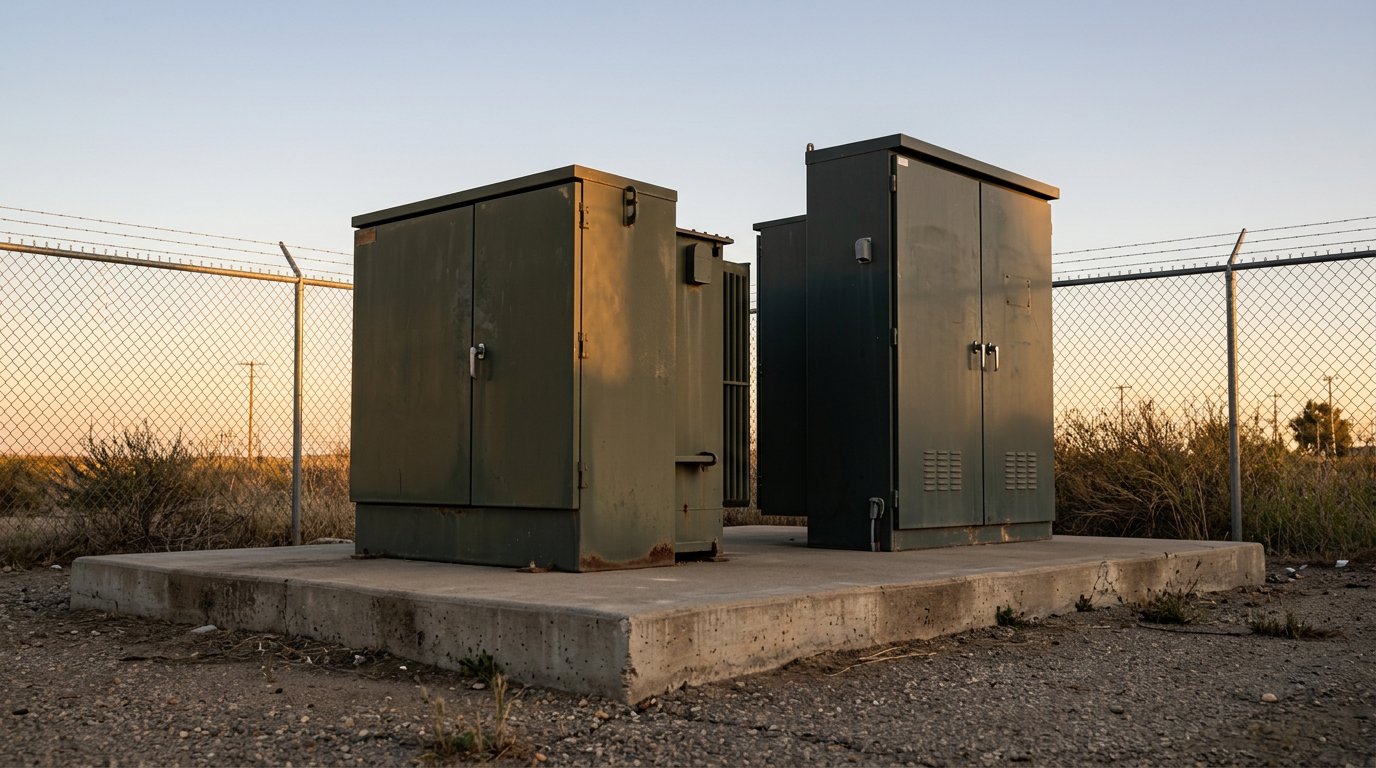
Pad-mounted transformer and switchgear on a concrete pad at golden hour
Why Battery Swapping Is a Bad Idea for Most Fleets
Swapping fails for structural reasons rather than because the idea is unsound. Three constraints decide it, and they are not the ones usually listed.
The standardization trap
Swapping only works if every vehicle on site takes the same pack, mechanically and electrically. A fleet bought over seven years across model changes will not hold that line. One new vehicle with a different pack height, a different mounting pattern or a different BMS protocol turns a station into a monument. The station does not degrade gracefully. It stops serving a share of the fleet the day that vehicle arrives.
Why did Tesla abandon battery swapping?
Tesla demonstrated a pack swap in 2013 and never brought it to market as a product. The instructive part is the arithmetic, not the demo. A swap network needs duplicate packs and station capital in place before the first customer arrives, spread across every route you intend to serve. A fast-charging site reuses one asset across every vehicle that turns up, including vehicles you have never seen. One model carries inventory risk on a schedule the operator does not control. The other carries it on the grid connection, which is at least a known quantity once the utility signs off.
Pack design is moving the other way
Modern packs are part of the vehicle floor and structure. Structural integration buys rigidity, crash performance and mass, and all three push against removability. Vehicle engineering is not converging on a universal cassette, so a buyer betting on exchange is betting against the direction of the products they will be offered in five years.
Swapping relocates charging rather than removing it
Every pack still has to be charged, and the pack store adds handling losses and cooling load on top of the same energy bill. Then peak congestion returns: after a shift change, the station is recharging a stack of depleted packs at once. Unless the site is deliberately oversized on packs, the swap station pulls the same grid capacity as the depot it replaced, just later in the evening.
Where Swapping Actually Wins: Short Dwell, One Pack Standard, Captive Routes
Battery swapping is the right answer inside a narrow band, and inside that band it is clearly right. The band is defined by operating geometry, not by technology preference.
Material handling got there first
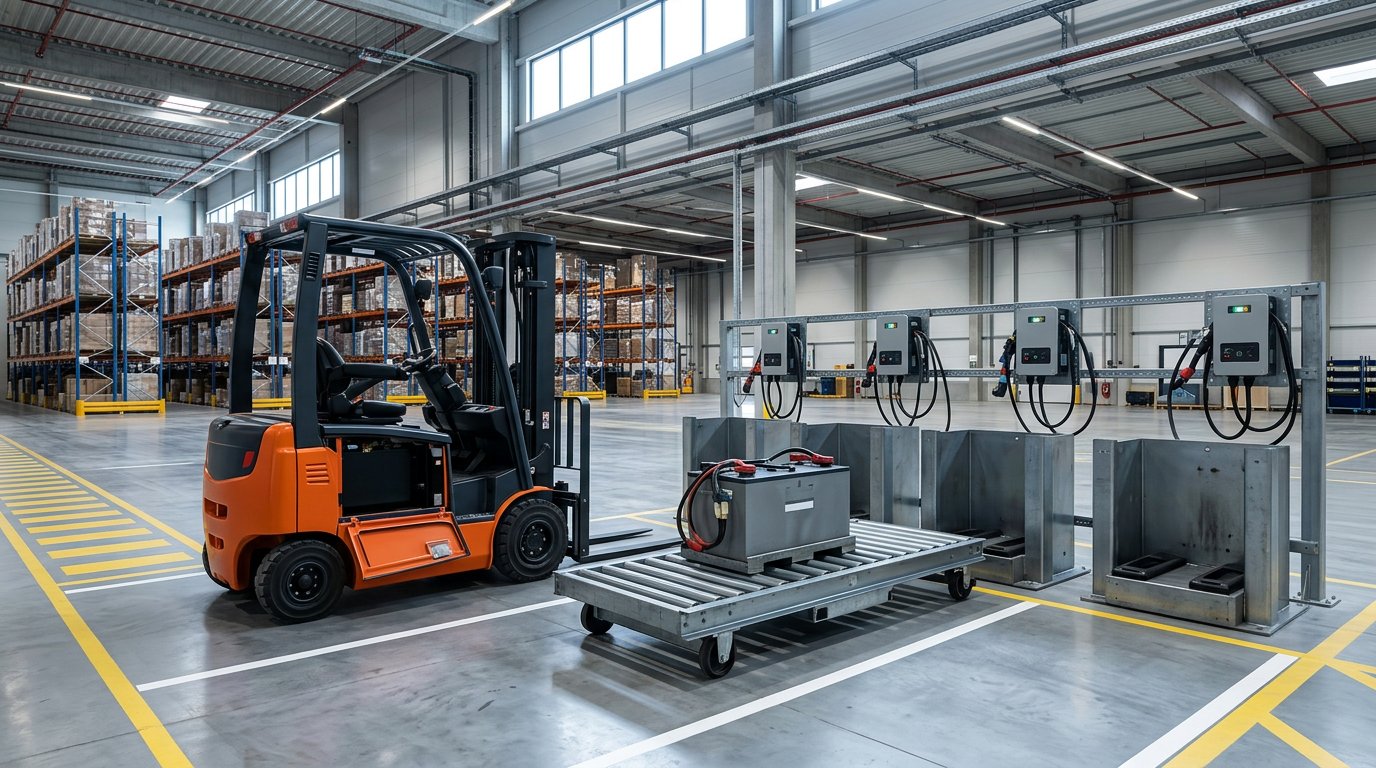
Forklift and AGV fleets have exchanged batteries for decades, with a battery room, a bank of chargers and a trained operator on shift. The playbook already exists, including the parts people rediscover the hard way: matching charger voltage to the fleet, keeping the battery room ventilated, and training whoever performs the exchange. What changes with road vehicles is pack mass, structural integration and public-road regulation, not the underlying concept.
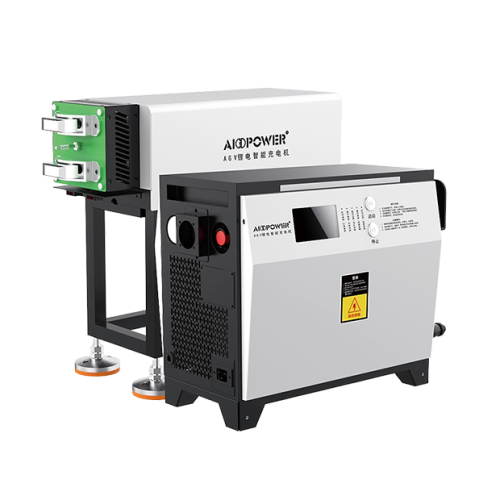
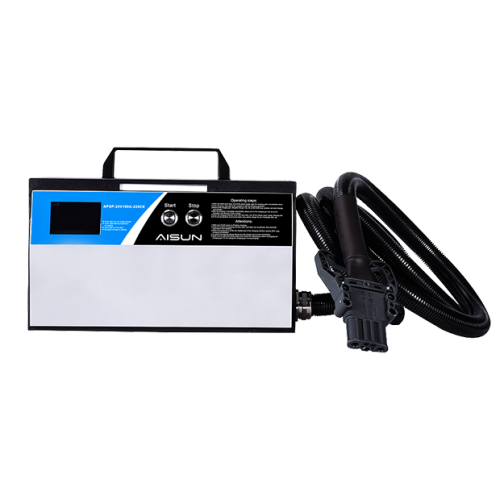
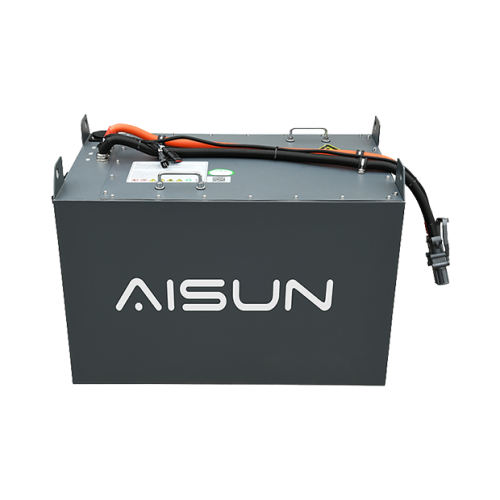
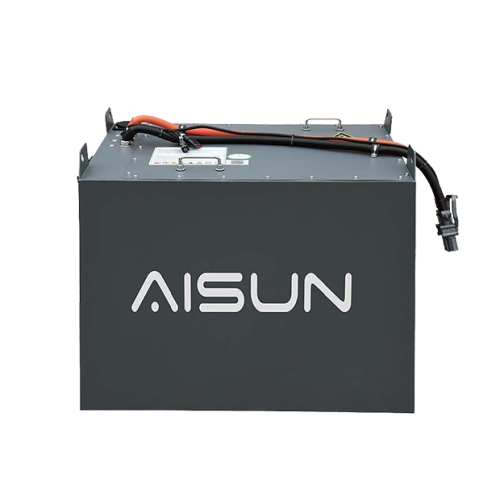
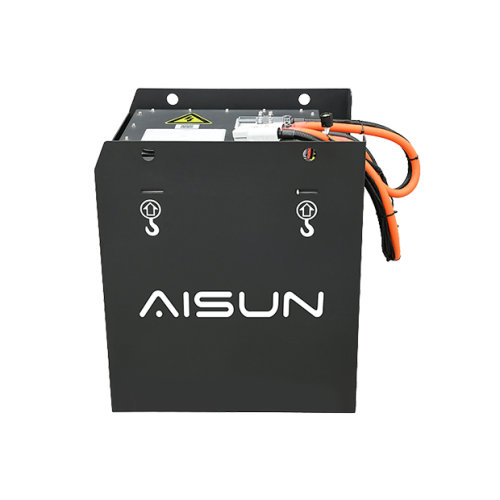
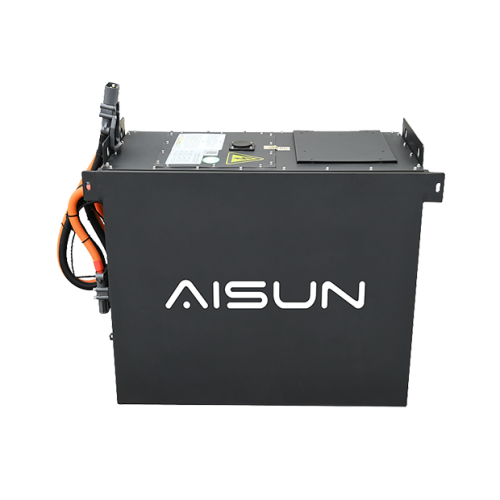
The industrial product landscape shows why material handling standardized early. evaisun’s own catalogue lists industrial chargers at 24V, 36V, 48V, 72V and 80V with CE and UL by TUV, and lithium packs in 80V, 76.8V, 51.2V and 48V versions, so a warehouse can standardize a voltage across a fleet and keep it for years. A mixed road fleet spanning three OEMs, three pack architectures and two BMS dialects cannot do the same thing. If your operation runs forklifts or AGVs alongside road vehicles, the material handling side is where exchange economics are already proven; optimizing warehouse efficiency with advanced forklift battery chargers covers the operating discipline that goes with it.
Captive fleets are the real swap market
Transit and shuttle operators, taxi and ride-hailing depots, port drayage running fixed loops. What they share is one procurement authority, one route network and one place vehicles come home to. That is the topology swapping needs. Even there, the case hinges on dwell: a taxi depot whose cars idle six hours overnight is a charging site with a queue problem, not a swap site. The trade-offs on that duty cycle are set out in taxi and ride-hailing fleet charging: balancing speed, cost, and vehicle uptime.
What you sign when you choose swapping
You are signing a pack standard for the life of the asset. Write four things into the procurement document: the pack envelope and mounting interface, the BMS communication protocol, the swap mechanism interface, and an exit clause that covers the day the next vehicle model does not fit. Without the exit clause, the station owns your replacement cycle.
Electric forklift beside a warehouse battery change station with a roll-out battery carriage
The Utility Sets the Terms: Peak Demand, Interconnection, and Load Shape
Interconnection lead time outranks equipment lead time on almost every depot project, and it is the schedule risk buyers forget to put on the critical path. A site needing a substantial service upgrade waits on a utility study, transformer availability and queue position, and none of those respond to a purchase order. Confirm the local process with your utility early and design around the answer, because the number varies by region, by voltage level and by how busy your feeder is.
Demand charges and the ratchet
Demand charges are billed on peak kW, and many commercial tariffs include a ratchet clause that lets one bad evening set the billing demand for months afterwards. Depot charging concentrates its peak into the hour or two around shift change, which is exactly where the ratchet bites. A site that charges forty vans at once at 18:30 pays for that simultaneity all year.
Two load shapes, one energy bill
Depot charging is a short, tall peak. A swap station is a flatter profile spread across twenty-four hours, scaled up by the number of packs in the store. That flattening is swapping’s genuine utility advantage: same energy, less peak. It is not free, because the station still needs a connection sized for the stack it recharges, but the capacity can often be bought at a lower tier and managed downwards.
The counter-move on the depot side
A battery-buffered charger flattens the depot peak with one battery instead of a fleet’s worth of spare packs. This is the comparison a buyer should actually run: cost per kW of peak avoided by spare packs versus cost per kW avoided by a buffer battery. On most sites the buffer wins on capital by a wide margin, because it is sized for the peak, not for the vehicles. The control side of that design is covered in how load management EV charging improves reliability and cuts costs.
Tariff structure decides whether any of this works. Time-of-use windows and flexible connection agreements can make a swap station’s controllable charging genuinely cheap, but only if the site’s metering and contract permit that charging pattern. Read the tariff before the design is frozen, not after.
Winter Readiness: A Cold Pack Charges Slowly, Which Is the Problem Swapping Sells
The month that decides this comparison is the coldest one, not the annual average. A cold pack accepts limited charge current until its cells warm, so a depot charger delivers well below nameplate for the opening stretch of every session. The nine-hour window you calculated in June quietly shrinks in February, and the vehicles most affected are the ones that arrived latest.
Depot mitigations exist and they work. Vehicle-side pack heaters and thermal management bring the pack into its acceptance band. Scheduled preconditioning warms the pack before the vehicle returns, so the window is not spent heating. Operators can also accept a longer window or a lower state of charge at departure, which is a schedule decision rather than an equipment one.
Do not forget the charger has an operating envelope of its own. AiPower’s installation guide specifies an installation environment of -20 degrees C to 45 degrees C, which is the kind of figure that belongs on the layout drawing next to the bay it serves. A cabinet in a spot that collects afternoon sun on a July wall can fall outside the upper end just as surely as a January morning falls below the lower end.
Swapping handles cold differently. Packs charge indoors, in a conditioned store, at whatever rate the operator chooses, and the vehicle leaves with a warm pack. That is a real winter throughput advantage, and it is paid for by heating and ventilating a building all winter, plus the electrical load of doing it.
Winter also raises energy per kilometre through cabin heat and traction losses, so charge time grows exactly when charging is slowest. Rerun the arithmetic from Section 2 on the coldest month and the longest route. If the window still closes there, it closes all year. If it does not, that is the number that should drive the decision, not the summer case.
Electric delivery van charging in light snow at dusk with frost on the bodywork
Two Different Sites: Permits, Footprint, and Who Performs the Swap
These are not two equipment choices. They are two construction projects with different approvals, different footprints and different labour models, and comparing them on hardware cost alone is how projects get to the planning stage and stop.
Permitting runs on two tracks. Depot charging is an electrical installation: service capacity, protection, grounding, sometimes a site plan. A pack exchange building is an occupied structure containing stored energy, machinery and people, which pulls occupancy classification, fire suppression, ventilation and separation distances into scope. Budget the review time for the second track even if you expect to avoid it.
Stored inventory may be a regulated occupancy. Depending on jurisdiction, a room full of lithium packs is treated as stationary energy storage or under hazardous materials rules. In the United States, NFPA 855 addresses stationary storage installation. Ask the authority having jurisdiction which path applies before the design is frozen, and do not assume the answer transfers to another country.
Footprint is more than square metres. Depot charging uses bays the site already has, plus a service corridor and working clearance around cabinets. AiPower’s forklift battery charger installation guide calls for at least 0.5 meters of clearance around the charger, and that is the level of detail a layout drawing needs. A swap site takes a building, a queue lane and a pack store, and removes bays from service while it does.
Labour and liability change hands. Depot charging is plug in and walk away. Swapping is a staffed or automated process with a defined duty of care: who is authorized to perform the exchange, what training they hold, what happens when a pack is dropped or a driver is injured in the exchange lane. The guide requirement that the charger be connected to a properly grounded electrical socket is the easy part of that story.
Custody of the pack is a commercial exposure. Taking charge of somebody else’s battery asset changes the insurance scope and the liability chain. Write it down in the operating agreement rather than discovering it after an incident.
Automation trades labour for maintenance risk. Robotic exchange removes the operator from the loop and adds single points of failure that strand the whole fleet instead of one vehicle. Plan the spares strategy with the same seriousness as the station design.
Score the Two Models Before You Commit
Run the decision in order, and stop at the first no. Does the dwell window exceed the full charge time for most vehicles? Is one pack standard fixed for the asset’s life, and does every vehicle return to this site? Can the site obtain its peak power inside the project schedule? Does the coldest month still fit inside the window? Any no sends you back to depot charging, or to a buffered depot that flattens the peak instead. Only when all four are yes is it worth running the cost per delivered kWh on both paths with your own numbers.
Criterion
Depot charging
Battery swapping
Capital per vehicle
Charger share plus service upgrade
One or more spare packs per vehicle
Best dwell window
Longer than a full charge
Shorter than a full charge
Site peak demand
Tall peak around shift change
Flatter curve across 24 hours
Pack standardization
Not required
Mandatory for the asset’s life
Shift-change throughput
Scales with each plug added
Scales in discrete station increments
Cold weather
Slow until the pack warms
Warm pack on hand, heated store needed
Footprint
Existing bays plus clearance
Dedicated building, queue lane, pack store
Best-fit fleet
Overnight depot fleets
Captive short-dwell single-pack fleets
The pilot that earns the signature is boring and cheap. Instrument twenty to thirty vehicles for four weeks and log return times, departure times and energy per shift, charger-side and vehicle-side. Rebuild the model from that data before signing anything, because a documented pilot costs a fraction of an order of packs that turns out to be the wrong size or the wrong voltage.
Two situations override the arithmetic. If the fleet is growing or procurement is multi-OEM, the standardization bet is the wrong bet regardless of the numbers. If the site is leased short-term, you are building someone else’s asset, and a depot charger that can be relocated is worth more than a station that cannot.
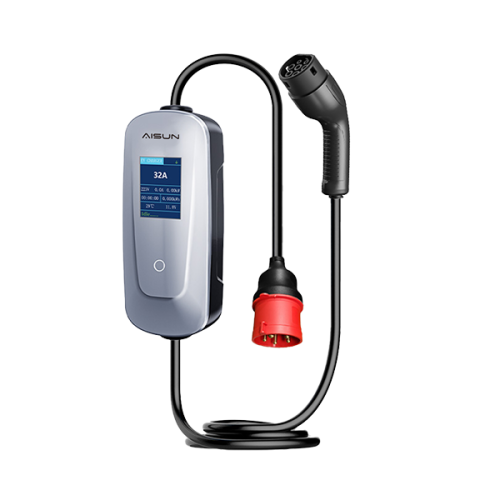
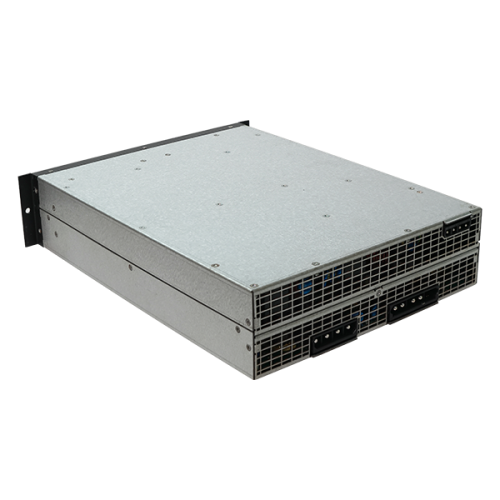
On the depot side, evaisun’s product lines cover DC fast chargers, AC and portable EV chargers and industrial charging hardware, with power modules alongside them. The SDM Series and AVR Series are among those module products, and one DC EV charger variant is offered with a 30kW Power Module. On the pack and material handling side it builds industrial lithium batteries and 24V to 80V industrial chargers, with solutions stated to carry UL and CE certification and a team of 60+ engineers behind the specification work. If you are holding a dwell dataset and a half-finished charger schedule, settle the sizing before the capital request goes forward rather than after. The broader design context sits in fleet depot charging for 50+ vehicles.
Frequently asked questions
Is battery swapping cheaper than depot charging for fleets?
No, not in most cases. Swapping adds packs, station capital and pack-store running costs on top of the same energy bill, so cost per delivered kWh usually rises even where stop time falls. It becomes competitive only when a short dwell would otherwise force expensive peak power or lost vehicle hours worth more than the pack capital.
How many spare batteries does a swap station need per vehicle?
It depends on turnaround time and swap frequency. Divide pack turnaround, which covers queueing, exchange, handling and recharge, by the interval between that vehicle’s swaps, then multiply vehicle count by one plus that ratio. Fleets running multiple shifts per day need a visibly higher ratio than single-shift fleets, because there are fewer idle hours to absorb recharging.
Can battery swapping be retrofitted to an existing electric fleet?
Rarely, and never cheaply. Retrofitting means changing the pack envelope, the mounting interface and the BMS communication protocol on vehicles already in service, then adding a pack store with its own approvals. The economics only close for a fleet buying new vehicles on one platform under a single procurement authority.
Does battery swapping reduce battery degradation?
No. Swapping concentrates cycling rather than reducing it. Total energy through the fleet stays the same, but it now passes through fewer packs, which see more full cycles, more high-rate charging and physical handling. Ask the pack supplier to confirm in writing that the warranty covers exchange duty before you order.
Subscribe the newsletter to get updated to news and promotions
Cookies give you a personalized experience,Сookie files help us to enhance your experience using our website, simplify navigation, keep our website safe and assist in our marketing efforts. By clicking "Accept", you agree to the storing of cookies on your device for these purposes. Click "Adjust" to adjust your cookie preferences.For more information, review our Cookie Policy