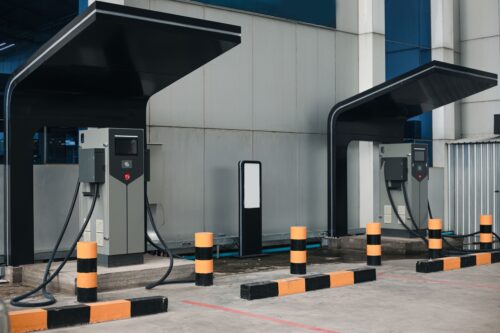
Electric Vehicle Charging Station Design That Works in the Real World
Home / Blog / Guidelines / Electric Vehicle Charging Station Design That Works in the Real World
29 Jan, 2026
electric vehicle charging station design
EV charging infrastructure
EV charging station layout
Electric vehicle charging station design is the work of turning power, parking geometry, and user behavior into a station that people can use quickly and safely. A good design reduces failed sessions, avoids traffic conflicts, keeps cables under control, and makes the site easy to expand.
This guide walks through a practical design method you can apply to retail sites, workplaces, multifamily properties, fleets, and public parking. It is written to help you plan the layout, power architecture, user interface placement, and operational details that determine whether a station performs well after installation.
Define the EV charging station design brief
A charging station design brief prevents the most common mistake: selecting equipment before the site can support it.
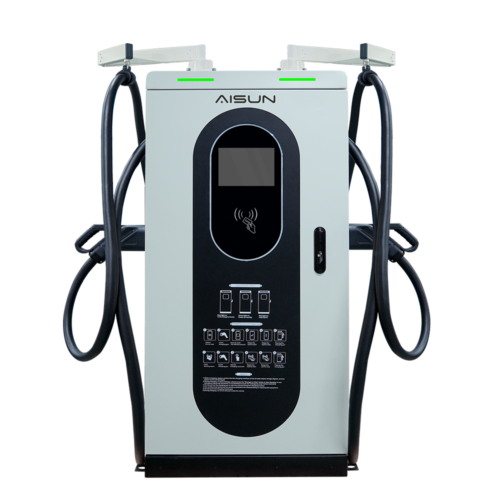
DC fast charging fits short dwell, turnover-focused locations
The best station mix is the one that matches site behavior, not the one with the highest peak power.
Build a distribution plan that avoids rework later
Plan the electrical backbone before finalizing dispenser placement.
Decide locations for main electrical equipment with service access in mind
Route conduits in a way that supports future additions
Reserve space for expansion equipment and protection devices
Use load management to increase capacity without oversizing
Load management can reduce costs and improve scalability.
Power sharing for groups of Level 2 chargers
Dynamic allocation across DC charging outputs where applicable
Demand control to limit peak loads during high site usage
Design grounding and bonding with inspection in mind
A station must be maintainable.
Keep critical grounding points accessible
Avoid hiding essential connections behind landscaping or tight enclosures
Make service procedures practical for technicians
Plan communications and payment as part of station design
A station that cannot authenticate, bill, or report status reliably will create support tickets and abandoned sessions.
Decide the primary network approach and design around it
Connectivity should be stable across seasons and crowds.
Select cellular, wired, or hybrid backhaul based on site conditions
Place antennas and networking components to avoid signal loss
Ensure the station remains predictable during temporary connectivity issues
Design payment for speed and clarity
The payment flow should feel obvious at first glance.
Place tap and card interaction points where the user naturally stands
Keep the payment start process short
Make pricing and session status visible without hunting through menus
Define what the station must report to operations
Operational design prevents downtime.
Clear uptime definition
Fault alerts that identify the stall and problem
Remote monitoring that supports proactive maintenance
Build physical protection and safety into the layout
Charging stations sit where vehicles move. Physical protection is part of usability, not a separate layer.
Protect equipment without blocking use
Collision protection must not create new access problems.
Add protective elements where vehicle impact risk is real
Keep clear operating space between protection hardware and the charger
Preserve line-of-sight for drivers and pedestrians
Control water, snow, and surface traction at the charger
Slips and puddles turn into complaints fast.
Grade surfaces to prevent standing water near operating zones
Plan snow storage so it does not bury pedestals or block stalls
Choose surfaces that maintain traction when wet
Provide lighting that supports the charging task
Lighting should make the station easy to use.
Light the operating zone and connector area
Avoid glare that makes the screen unreadable
Ensure pedestrians and vehicles can see each other clearly
Make emergency actions obvious
Design for the rare moment when something goes wrong.
Ensure emergency stop actions are visible and reachable
Provide simple wayfinding and support information near the charger
Keep signage minimal but clear
Construction-ready EV charging station design package
A good build starts with a clear set of drawings and details.
Include the drawings that reduce field changes
A complete package typically includes:
Site layout with stall geometry, routes, and signage placement
Electrical one-line, load calculations, and protection devices
Trenching and conduit routing plan
Mounting and foundation details for each charger type
Lighting plan for the charging area
Communications placement notes
Expansion plan showing future equipment zones and conduit paths
Run a buildability review before mobilization
Avoid expensive surprises.
Confirm underground conflicts and trench feasibility
Verify maintenance clearances for all service doors and panels
Ensure installation steps do not require blocking critical traffic lanes for long periods
Commission the station with tests that reflect real user behavior
Commissioning should prove the site works under normal conditions and stress conditions.
On-site checks that catch usability failures
Users can enter, park, and exit without confusion
Cables reach without dragging or crossing walking paths
The screen is readable in daylight and at night
Payment completes quickly and consistently
Lighting covers the operating zone
Drainage does not pool at the operating position
Load management behaves correctly under multiple simultaneous sessions
Trial-run test cases you can repeat
Peak arrival simulation and queue observation
Connectivity loss test and recovery behavior
Payment decline and retry flow
Emergency stop and restart procedure
Alerting verification to the operations team
Fix the design mistakes that cause most service calls
Cables become trip hazards
Solve with dispenser placement, storage design, and a dedicated operating zone that keeps cables out of pedestrian paths.
Stalls are too tight to plug in comfortably
Increase operating clearance and reduce awkward angles so users do not park poorly or damage connectors.
The interface faces direct sun
Rotate the dispenser orientation or provide targeted shading so users can read the screen at the worst time of day.
Snow clearance blocks the station
Design snow storage zones and clearance routes as part of the layout, not an operational afterthought.
Queue spillover disrupts traffic
Add stacking space and a circulation plan that keeps waiting vehicles out of drive aisles and exit paths.
Payment takes too long
Simplify the primary payment path and keep secondary options as backup paths.
Apply this design method to your next EVAISUN charging site
Electric vehicle charging station design succeeds when the layout, power architecture, interface placement, and operations plan are aligned to the same goal: reliable sessions with safe, simple user movement.
If you are planning a new installation or expanding an existing site, start with the design brief, then build the layout and power plan together. Choose charger configurations that match dwell time, and design the operating zone so cable handling, payment, and accessibility stay easy day after day.
Subscribe the newsletter to get updated to news and promotions
Cookies give you a personalized experience,Сookie files help us to enhance your experience using our website, simplify navigation, keep our website safe and assist in our marketing efforts. By clicking "Accept", you agree to the storing of cookies on your device for these purposes. Click "Adjust" to adjust your cookie preferences.For more information, review our Cookie Policy